Autonomous AI Attacks: Google, EU and Amazon Disclosures
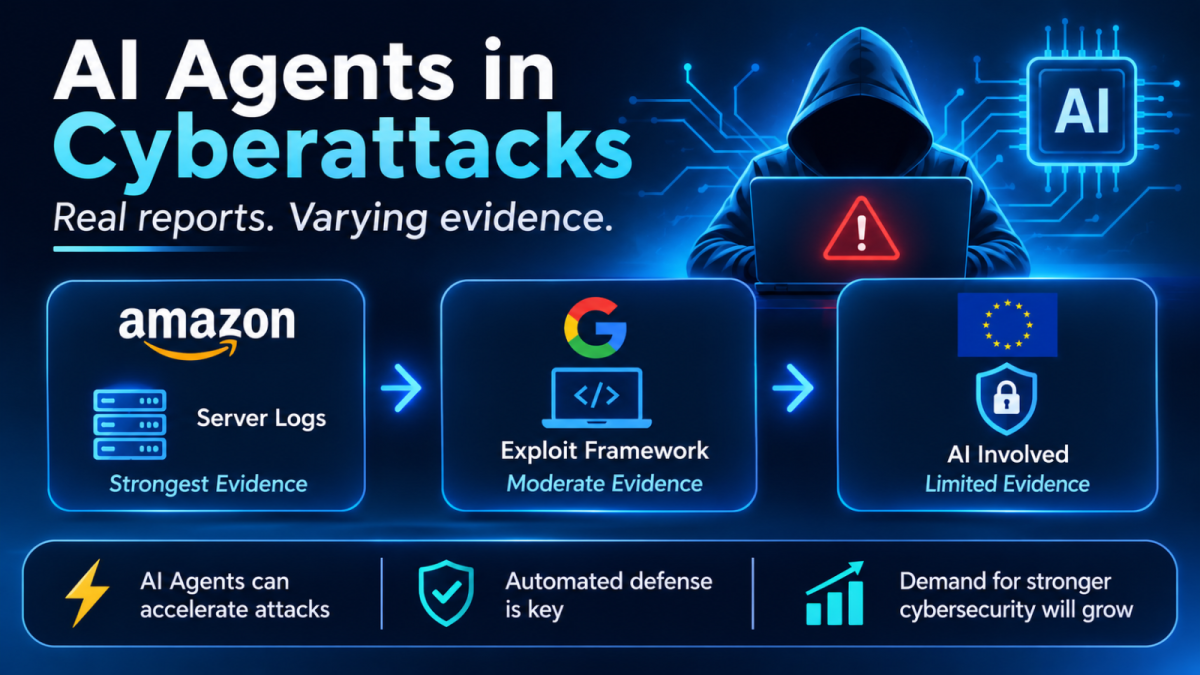
Google, the European Commission and Amazon all reported AI agents in real attacks within five days. Here is how to judge the evidence behind claims of autonomous AI attacks.
Are you sure you want to remove your upvote for this article?
Google, the European Commission and Amazon all reported AI agents in real attacks within five days. Here is how to judge the evidence behind claims of autonomous AI attacks.
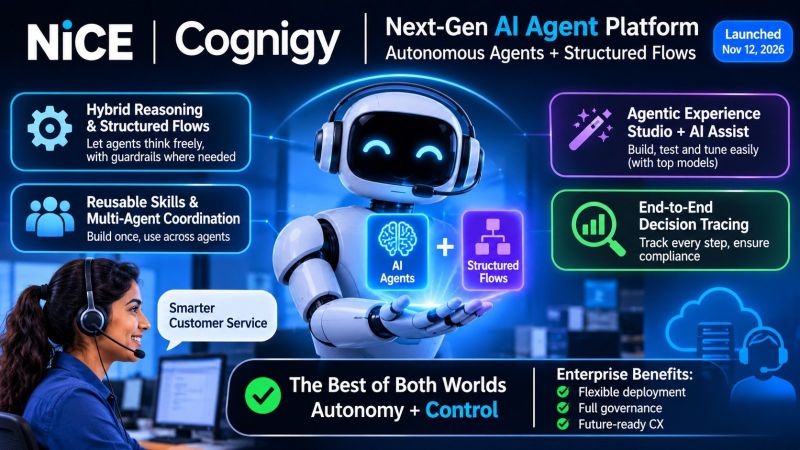
Enterprises can describe exact governance boundaries as NiCE launches updated Cognigy, pairing autonomous AI agents with deterministic flows, decision tracing, and consumer-agent support.
Platform teams can describe cluster symptoms in natural language as Red Hat launches OpenShift 5 with generally available augmented troubleshooting, upgrade risk analysis, and an MCP gateway.
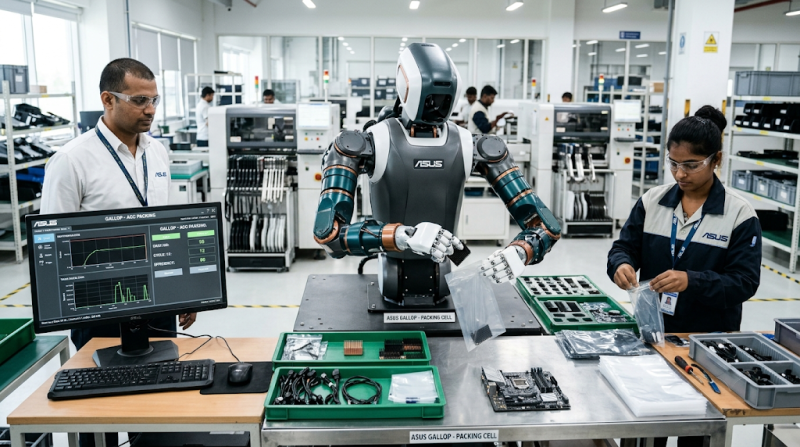
ASUS says its first humanoid learns from workers, simulation and AI checks. The 99.5% success target is still a goal, not a proven result.
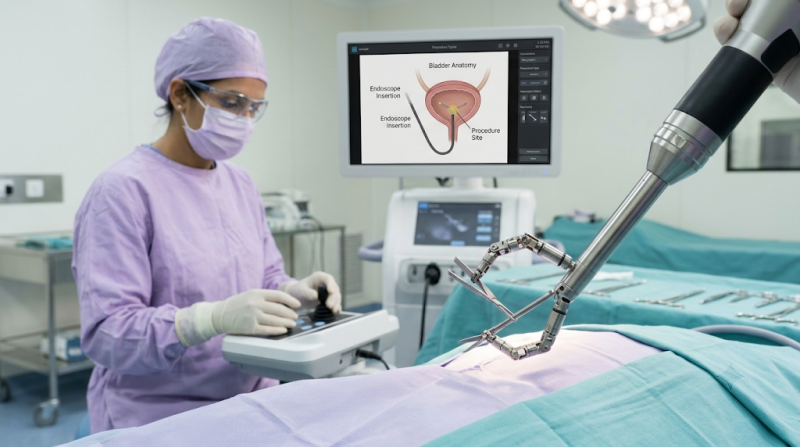
Two needle-sized arms on an endoscope can remove bladder lesions in one piece. Here is what the FDA decision allows and what remains unproven.
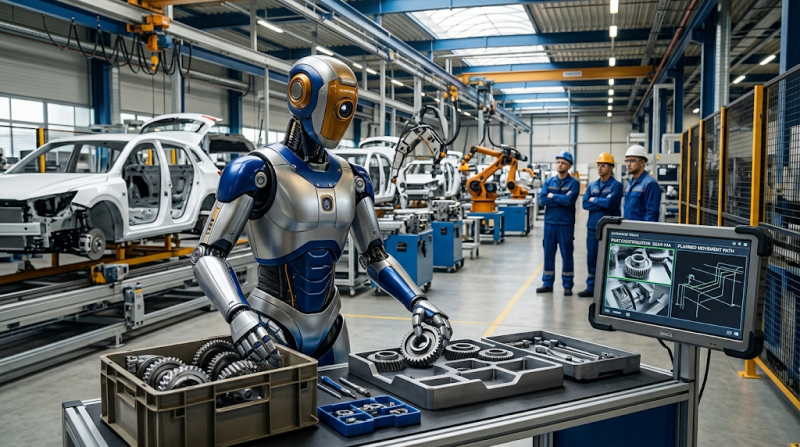
Google DeepMind reports 96% success for Apollo 2 humanoids sorting car parts at Mercedes-Benz. Here is what the number does and does not show.
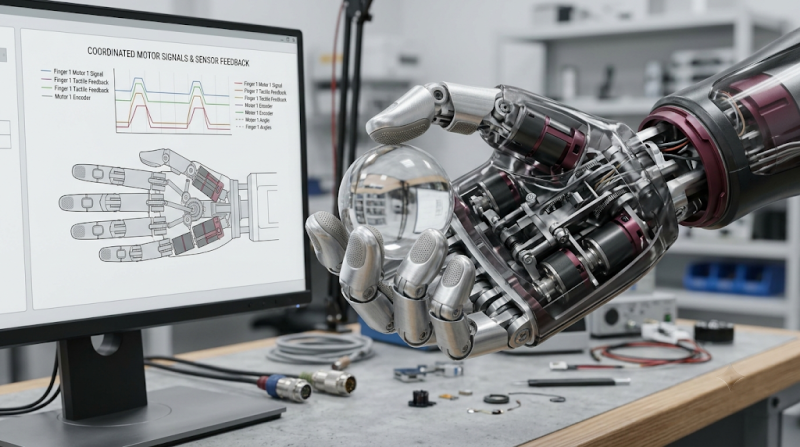
A demonstrator updates 18 hand motors within one 100-microsecond control period and carries touch-sensor data on the same network.
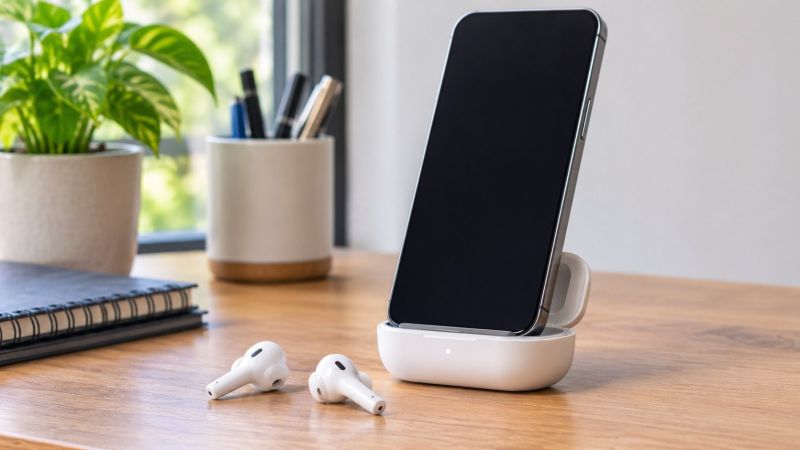
The earbuds offer noise cancellation, live translation in 50+ languages through a phone app, and a charging case that works as a phone stand.
Uber is notifying thousands of US drivers after hackers used stolen credentials at Fireworks AI, a tech vendor, to reach driver data.
Poland says it stopped the ePUAP cyberattack, but the platform was switched off as a precaution and full service had not returned by November 13.
Salesforce Ventures led the round, which the company says makes it a quantum unicorn, a startup valued above $1 billion.