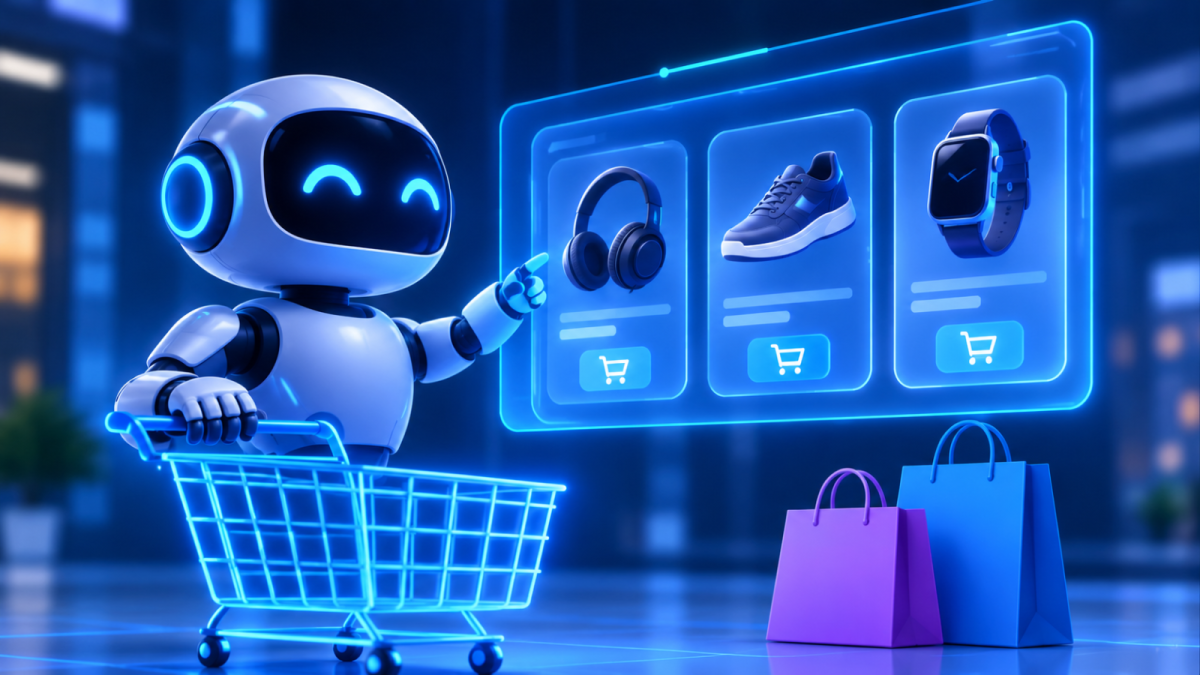
Imagine telling an AI assistant to buy the best headphones for you. It compares prices, picks one, and is all set to pay. Then the store says no.
This is actually happening right now. In mid-November, Amazon CEO Andy Jassy said Amazon might someday let outside AI shopping agents buy things on its site, but for now the door is mostly shut (Business Insider, via Trader's Union).
What is Muse?
Muse is Meta's AI assistant. GeekWire reported that Amazon has blocked it from shopping on Amazon since 20 September.
How do agents get into a store?
There are two ways. The first is using the regular website like a person would, which means loading pages, clicking buttons and filling in forms. This is hard for stores to control because the agent looks like a normal shopper, so the store can't tell who is really behind the visit. The second way is a connection the store has approved. Here the store knows exactly which agent is calling and can set rules, like which products it can buy or whether it has to say who it is. Keep in mind that this is just general background and not reported detail. None of the companies has said how it spots or blocks agents, and none of the sources give details about Muse's model or the computing power it needs, so I left those out.
What did Amazon say?
Jassy said Amazon may allow outside agents if they give shoppers a really good experience and a fair value exchange. Amazon has also said outside agents should work openly and with the merchant's agreement.
Which stores let agents buy?
Not every store is at the same stage.
- Amazon blocks Muse. According to Business Insider (via Trader's Union), it has also restricted Instinct AI and OpenAI's Dots from making purchases.
- Walmart is open. Forbes says it built a Personal Agent Protocol and Agent Gateway with Meta, which works as an approved route for agents.
- Shopify welcomes outside agents.
- Home Depot allows agents, but they have to identify themselves, which is a lighter version of the same idea.
- Target's policy isn't confirmed, so check before relying on it.
These policies are live right now and can change. Also, Muse's shopping features are only for the US for now.
Why would Amazon say no?
Amazon hasn't explained its full reasoning. One analysis on the site Business Model Analyst says it could be about Amazon's advertising business. Sellers pay to show up in front of shoppers, and if an agent does the browsing, people may never see those ads. That is only the site's opinion, not something Amazon said, so it's basically a guess.
If your agent is blocked
- Let the agent research the best product and price.
- Open the store yourself and add the item to your cart.
- Check out on your own, and read the final price, delivery date and return rules before you pay.
What about India?
It isn't clear if Amazon India or Flipkart follow the same policy as Amazon in the US. I couldn't find confirmation either way, so it's still an open question.
The bottom line
An AI agent is only as useful as the stores it can shop in. Walmart and Shopify are open, Home Depot has some ground rules, and Amazon is the big question mark. Before you let an agent make a purchase, check whether the store allows agents, and be ready to finish checkout yourself.