How Inspection Robots Help Detect Equipment Failures Early
When a machine starts making strange noises or becomes too hot, it could be a sign that something is wrong. Usually, workers check these problems themselves. But some factories are now using robots to help with this work.
These robots use cameras and sensors to check machines regularly and warn workers about possible problems.
Where Are These Robots Being Used?
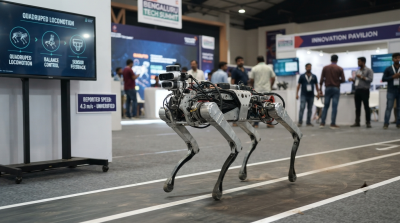
Four-legged robots are already working in different industries.
In September 2018, ANYbotics tested its ANYmal robot on a power platform in the North Sea. During one inspection, the robot checked 16 different points, including gauges and oil levels.
According to ANYbotics, a cement factory in Switzerland called Vigier Ciment has been using ANYmal since early 2025. The robot has completed more than 33,000 inspections.
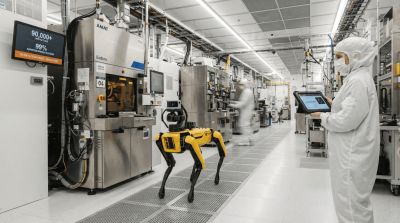
On November 17, 2026, Boston Dynamics and GlobalFoundries announced plans to use more Spot robots in chip factories.
How Do Robots Find Problems?
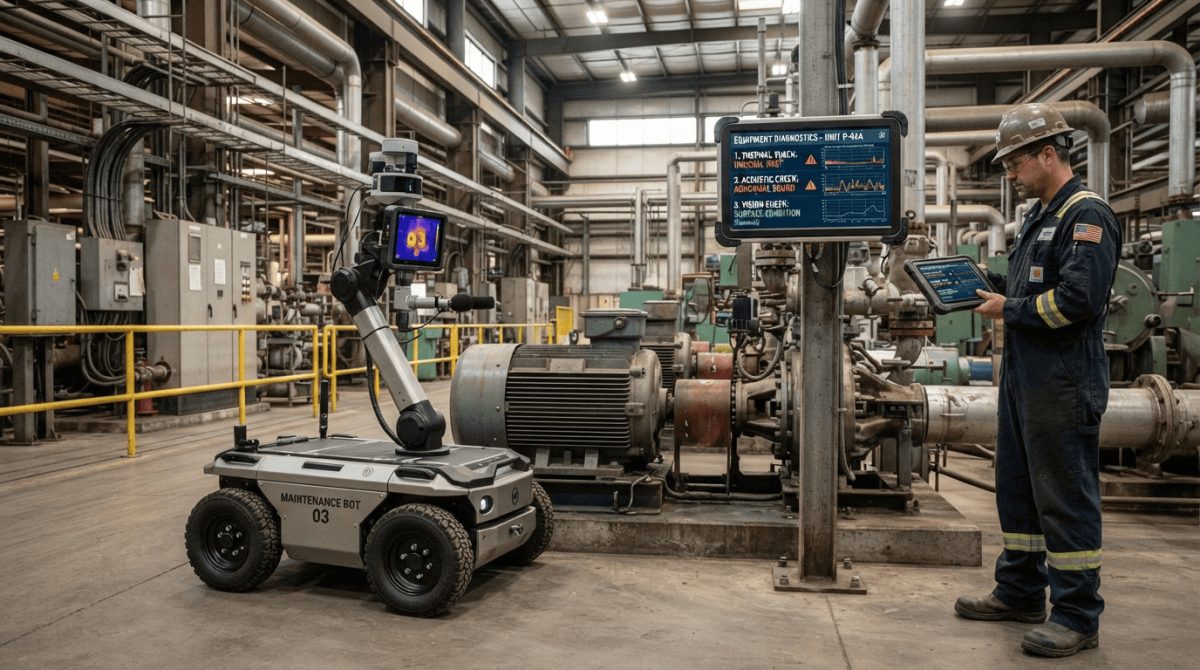
The robot first learns a route around the factory. It follows this route regularly and stops at different machines to check their condition.
It uses thermal cameras to find parts that are getting too hot. Sound sensors help detect unusual noises and air leaks. Normal cameras help read gauges and spot visible cracks or oil leaks.
The software compares the latest readings with older ones.
For example, if a motor keeps getting hotter every week, workers can check what is causing the problem.
Boston Dynamics has software called Orbit that helps workers view previous inspection records and track these changes.
Why Are Inspection Robots Useful?
When a machine suddenly stops working, it can delay production and cost the factory a lot of money.
Robots can help workers find problems before they become serious. They can also visit dangerous areas where inspections may be risky for people.
ANYbotics reported that its robot at Vigier Ciment noticed a bearing heating towards 140°C. Workers were able to plan an eight-hour repair instead of facing a sudden breakdown.
The company also reported that the robot found a crack in a crusher foundation. However, these claims have not been independently verified.
Can Robots Find Every Problem?
Robots are helpful, but they are not always right.
A machine may become hotter because it is doing more work, not because it is damaged. Camera reflections and poor focus can also cause incorrect temperature readings.
A 2023 study by NIST explained that collecting information about machine failures is difficult because most machines work normally.
Without enough information about past failures, AI may find it difficult to predict future problems.
Robots also need special safety approval to work in areas with explosive gases.
What Could Happen in the Future?
GlobalFoundries plans to test the Atlas humanoid robot in early 2027 while using Spot in more factories.
NIST researchers are also working on better ways to test equipment monitoring systems.
Inspection robots can make regular machine checks easier and safer. However, they cannot replace the knowledge and experience of maintenance workers.
For now, these robots are best used as helpers that spot warning signs and allow workers to take action before problems become worse.