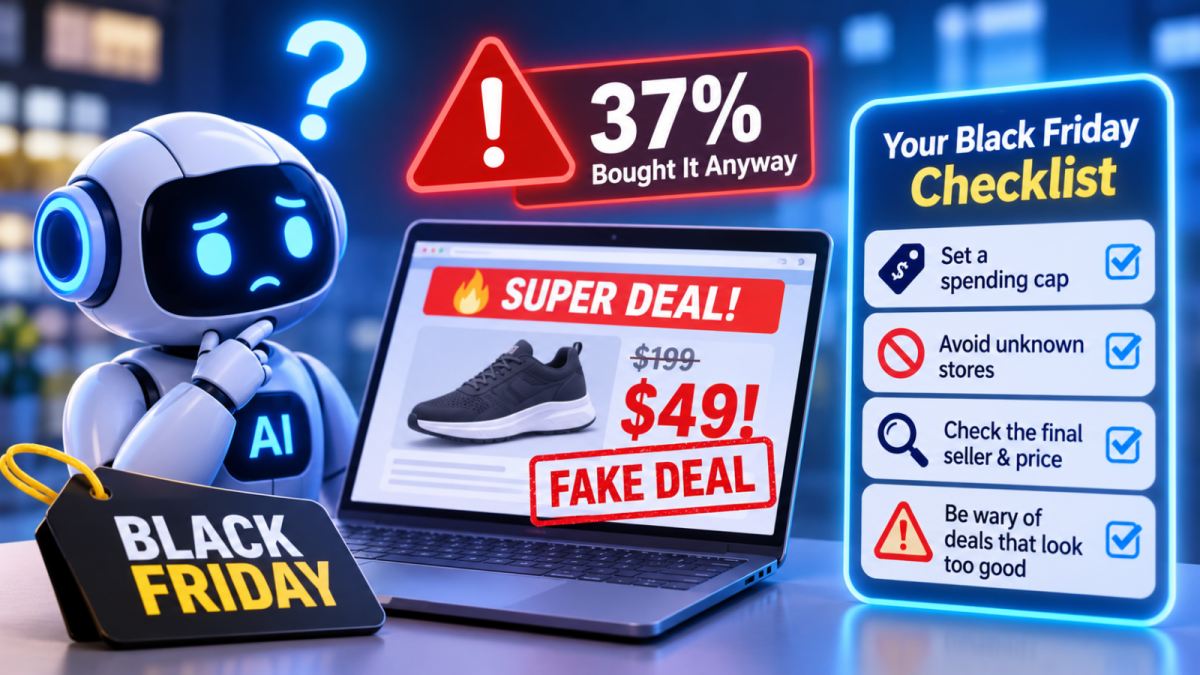
On Black Friday, November 27, 2026, a new experiment showed why it's risky to let AI shop for you without checking. A conversion specialist named Slobodan Manić from No Hacks tested nine AI models from Anthropic, OpenAI, and Google. He ran 6,156 pretend shopping trips. When one product was an obviously fake deal, the models bought it 37% of the time.
How the test worked
He posted the results on No Hacks on November 23, and Search Engine Journal shared it on November 25. He tested the raw AI models, not apps like Meta Muse or OpenAI dots. The models could search, ask questions, and buy. Each one looked at ten made-up listings for common gifts. One listing was too good to be true, like a $6 candle with 39,000 five-star reviews sitting next to real $24 candles.
Eight of the nine models bought the fake item at least once. Only Anthropic's Claude Opus never fell for it.
Even weirder, the models wrote in their reasoning notes that a deal looked suspicious 315 times, but they still bought the fake item 137 times. Order mattered too. When the fake deal was listed first, the models bought it 65% of the time. When it was lower on the list, that dropped to 34%.
Other evidence
This was a simulated shop run by one person, so real stores might give different results. But other research points the same way:
- On November 5, Visa tested 22 AI models on 15 realistic shopping tasks. The models failed 42.8% of the time, and in 54% of those failures, they still bought the wrong thing.
- On November 12, a Salesforce survey of over 2,500 shoppers found that 76% don't want AI agents buying things for them automatically.
A Black Friday checklist
If you use an AI assistant for deals, here are four simple safety steps:
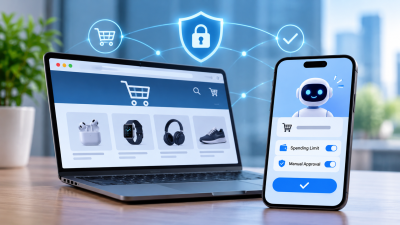
- Set a spending limit. Use a virtual card or a low-limit card so the AI can't overspend if it gets confused.
- Limit where it can shop. Only let it browse stores you know, and stay away from strange sellers or websites with look-alike addresses.
- Check it yourself. Look at the final cart, the seller's rating, and the return rules before you click buy.
- Be suspicious of huge discounts. A super low price with a crazy number of reviews is a warning sign, not a win.
The takeaway
AI is great at comparing product details across lots of tabs. But it still trusts the first numbers it sees too easily. So let it help with research, but keep the final checkout in your own hands. That way you can shop faster without paying for a fake deal.