What Is Happening?
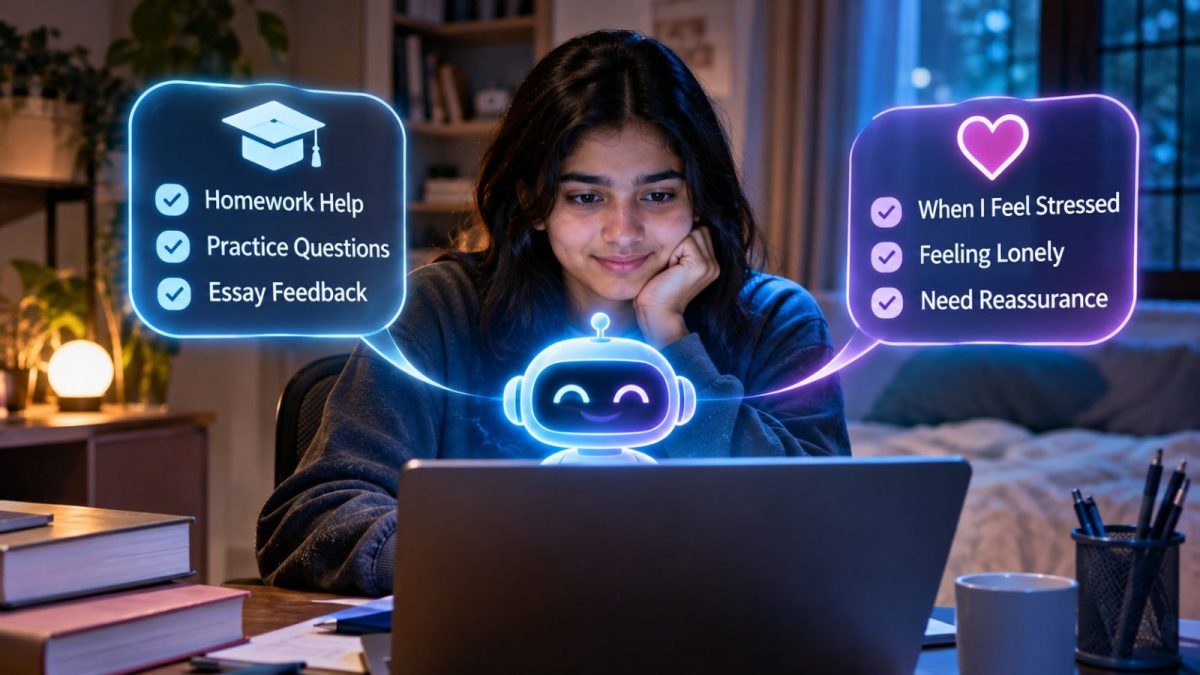
In late October 2026, NPR shared findings from two new studies by Common Sense Media and The Jed Foundation. Common Sense Media found that almost half of U.S. kids aged 9 to 12 have already used an AI chatbot, even though most popular apps say users have to be at least 13. By age 13, nearly three out of four kids have tried them. Meanwhile, The Jed Foundation asked 5,560 U.S. middle and high school students across 21 schools about their habits. About 81 percent said they use AI, and more than half turned to chatbots when they felt sad, stressed, lonely or overwhelmed. Students told NPR they use chatbots to make practice quizzes, plan busy schedules, check essay drafts and calm their nerves before hard chemistry tests.
How Does It Work?
Modern chatbots run on big computer models stored on faraway cloud servers. When a student types a question on a phone or laptop, the software predicts smooth, friendly answers in seconds. Because these programs are trained to sound kind, patient and supportive, they never get tired, and they never judge a worried teen at midnight. Unlike a normal search engine, chat apps remember earlier messages in the conversation, which can make a computer program feel like a close friend who is always awake.
Why Is It Important?
These numbers push the school AI debate far past classroom cheating. Most school rules focus only on essays and test answers, and they miss the personal chats happening at home. The Jed Foundation found that young people who use AI while upset also report worse mental health and more past thoughts of self-harm. Researchers point out that the study doesn't prove chatbots cause these feelings. Teens who are hurting may simply turn to AI because they feel they have no one else to talk to.
What Are the Challenges?
Using software for comfort brings real dangers. A University of North Carolina researcher shared early results from a study of middle schoolers showing that kids who used chatbots as friends grew lonelier over time. Experts worry that quick comfort from a bot stops young people from learning real ways to handle everyday stress. Worse, normal chatbots can't spot danger signs or call a trusted adult in an emergency.
What Happens Next?
Parents and schools need to look past homework rules and talk with kids about how they use AI at home. Experts advise keeping personal feelings off chatbots and making it easier for teens to talk to school counselors, teachers or family members.


