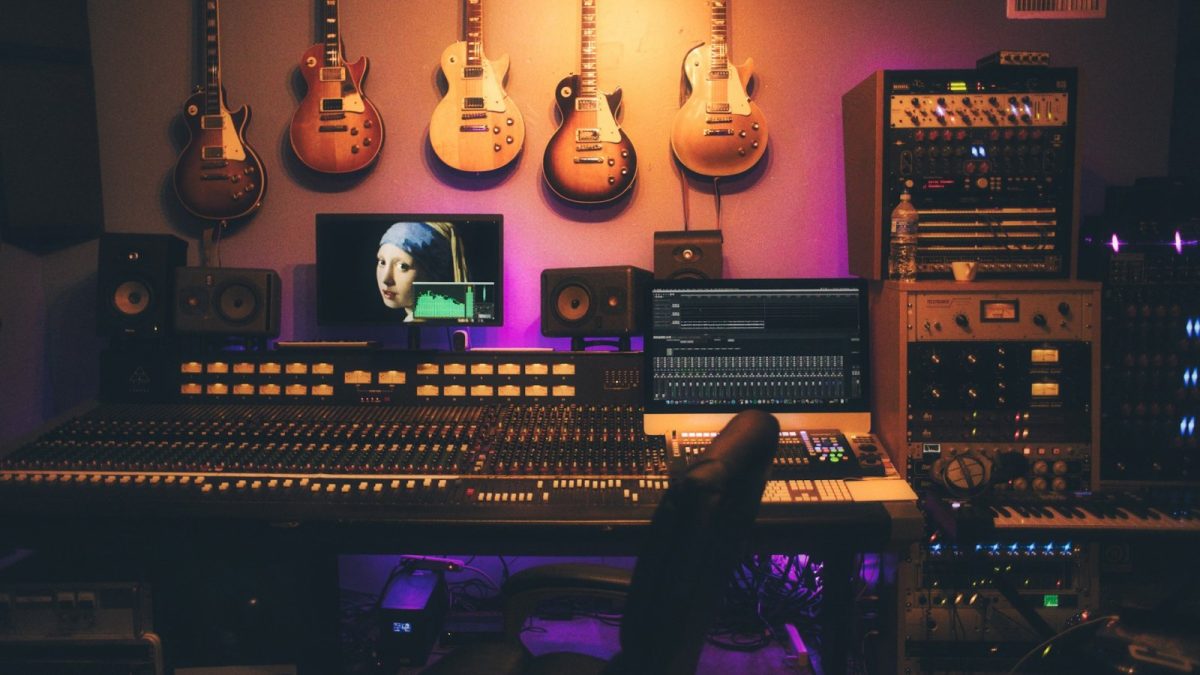
Artificial intelligence is giving musicians, editors and filmmakers new ways to work with sound, music and visual effects. These tools can separate audio parts, generate musical ideas and help with video editing. They support creative work, but human judgement is still essential to making finished entertainment.
Separating Instruments and Improving Film Dialogue
One use of AI in audio production is source separation. This technology looks at a mixed recording and tries to pull out its individual parts, often called stems. In music, these may include vocals, drums, bass and other instruments.
A relevant peer-reviewed paper is The Sound Demixing Challenge 2023 – Cinematic Demixing Track, published in the Transactions of the International Society for Music Information Retrieval in April 2024. It describes a competition about separating movie soundtracks into dialogue, music and sound effects. It also documents a dataset built from real movie audio to test the competing systems.
This research shows how machine learning can be used to separate cinematic audio. The technology can help editors adjust dialogue levels, prepare material for dubbing or work with recordings that don't have separate original tracks. But separation isn't always perfect. Overlapping sounds and complex recordings can create unwanted audio artefacts, so editors may still need to fix the results by hand.
Helping Musicians Explore New Ideas
AI music tools can create musical material from written descriptions or existing melodies. A musician might give a style description or a melody and ask a model to generate a passage that follows those instructions.
One research example is MusicGen, presented at the NeurIPS 2023 conference. The model makes music from text descriptions or melody-based input. Its researchers tested the system with automatic measurements and human listening studies.
Musicians can use generated passages as starting points for arrangements, background tracks or creative experiments. They can change the notes, adjust the rhythm, record instruments and combine generated audio with their own playing.
These systems have limits. Generated music may not follow every instruction, and the result may need editing before it fits a finished production. Questions about training data, copyright and permission to use generated material also remain important.
Using AI in Film Editing and Visual Effects
Film editors and visual-effects artists can use AI for tasks like selecting subjects, creating masks and separating foreground objects from backgrounds.
Adobe After Effects includes AI-powered Object Matte tools that help identify a subject and extend the selection across video frames. Editors can refine the selection when the software has trouble with difficult edges or movement.
These tools can support background replacement, selective effects and compositing. They don't remove the need for artistic judgement. Details like hair, motion blur, reflections and objects passing in front of a subject may still need careful correction.
Understanding Virtual Production
Virtual production uses digital environments shown on large LED screens during filming. Camera tracking and real-time rendering let the background perspective change as the physical camera moves.
Epic Games documents how Unreal Engine supports in-camera visual-effects workflows, including tracked cameras and real-time digital environments.
It's important to tell virtual production apart from artificial intelligence. LED walls, camera tracking and real-time rendering aren't automatically AI technologies. They are production techniques that can be used alongside other digital tools. This helps explain what AI actually adds, without wrongly calling every modern film technology artificial intelligence.
Keeping Human Creativity at the Centre
AI can help with repetitive or technically demanding production tasks, but it doesn't make every creative decision. Musicians still shape melodies and performances, while directors, editors and visual-effects artists decide how a scene should look and feel.
The value of AI in entertainment is in giving creators more ways to experiment and manage production work. Its results still need artistic judgement, technical review and responsible use. As these tools develop, questions about quality, copyright, originality and creative ownership will remain important.