Can Your Phone Detect Heart Failure Through Your Voice?
What if your phone could warn your doctor that your heart failure was getting worse, even before you noticed serious symptoms?
An Israeli company called Cordio Medical is working on this idea. On November 9, 2026, it shared results from a study of its HearO system at the American Heart Association's Scientific Sessions.
How Does HearO's AI Technology Work?
Heart failure can cause fluid to build up in the lungs. This may affect breathing and create small changes in a person's voice.
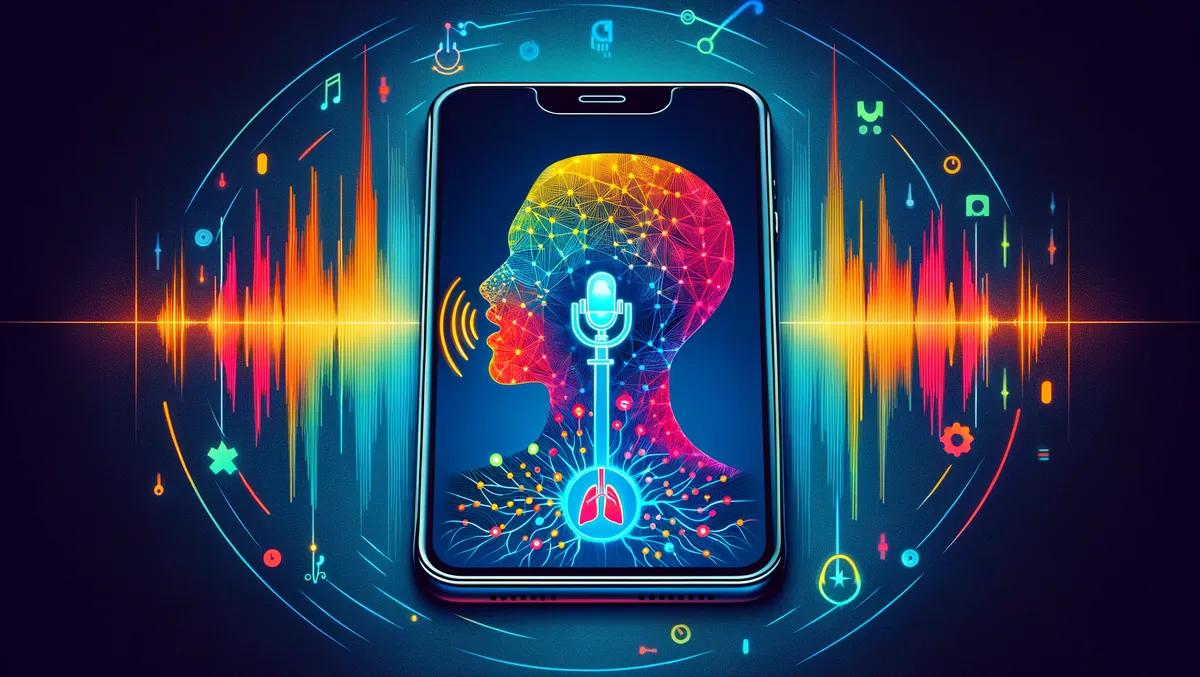
HearO uses artificial intelligence (AI) to look for these changes through daily phone recordings.
First, patients record six short sentences using their smartphones. The system builds a personal voice profile from earlier recordings. This gives it a starting point for comparison.
Next, the software processes the sound recordings and looks for changes in speech patterns. These may include differences in voice quality and other sound features linked to breathing.
The AI compares new recordings with the patient's usual voice. It looks for patterns that may suggest their heart failure is getting worse.
If the system detects a concerning change, it can send an alert to the medical team through an online platform. Doctors can then decide whether further checks are needed.
Unlike a basic voice recorder, HearO uses repeated recordings and AI-based pattern analysis to monitor changes over time.
However, Cordio Medical has not publicly provided enough technical information to confirm the exact AI model design, number of parameters, training dataset size or computing power required.
This means the system's general process can be explained, but its full technical design cannot yet be independently assessed.
What Did the Study Find?
The DETECT-HF study followed 563 people with heart failure.
According to the reported results:
-
HearO detected 52 out of 76 first heart failure events, or 68.4%.
-
When repeat events were included, its detection rate was 70.5%.
-
The system gave warnings an average of 24.1 days before patients needed medical attention.
-
Patients completed about 85% of their daily recordings.
These results suggest that voice changes may help doctors spot problems earlier.
However, the alerts were hidden from doctors during the study. Researchers therefore could not test whether acting on them would improve patient health.
What Are the Limitations?
HearO did not meet one of the study's main performance targets.
Researchers wanted the lower end of its confidence interval to reach at least 60%. The actual figure was 58%.
The system also produced an average of 2.65 unexplained alerts per patient each year.
This matters because unnecessary alerts could create extra work for doctors and worry patients.
The study also did not prove that HearO reduces hospital visits or helps people live longer.
Is It Better Than Other Monitoring Methods?
Doctors often ask heart failure patients to check their weight and watch for symptoms. Some patients also use special implanted monitoring devices.
HearO could offer a simpler option because it only needs a smartphone.
But researchers have not yet proved that it works better than these existing methods.
Will HearO Be Available in India?
HearO is still being studied and does not have a confirmed launch date in India.
Cordio Medical has discussed seeking US regulatory approval, but there is no confirmed approval or launch timeline.
More research is needed before the system becomes part of everyday heart failure care.
The Bottom Line
HearO shows how a simple phone recording might help doctors detect worsening heart failure earlier.
The early results are interesting, but the technology still has limits. Larger studies must show whether its warnings actually help patients stay healthier and avoid hospital visits.