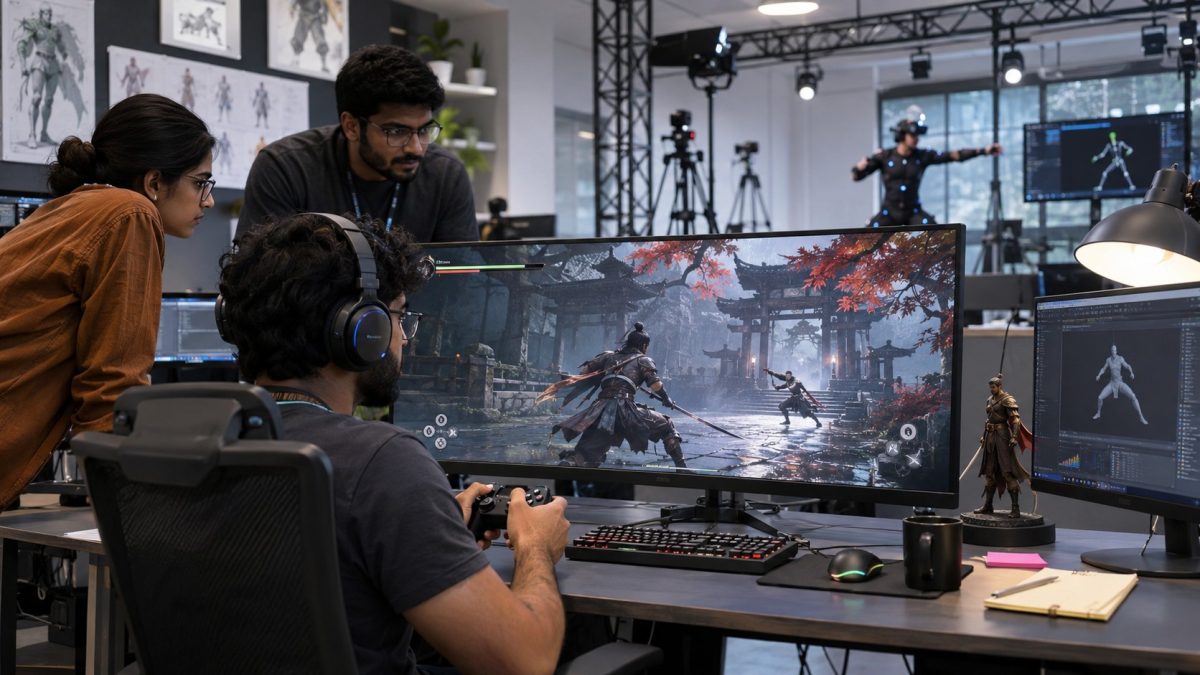
When a new video game sells millions of copies in a few days, the gaming industry takes notice. S-Game recently announced that its dark wuxia title, Phantom Blade Zero, reached over four million copies sold within its first three days of release following its October 29, 2026 launch. This commercial milestone highlights a dramatic shift in global gaming habits as of late 2026. Players everywhere are rapidly embracing fast-paced, skill-based action role-playing games.
A Massive Start for S-Game
Phantom Blade Zero launched across PlayStation 5 and PC, instantly drawing high player counts and strong reviews. S-Game developed the title using Unreal Engine 5, combining traditional martial arts with high-octane combat mechanics. The studio reported that strong pre-orders and heavy social media engagement drove early momentum.
In its opening weekend, the game topped digital storefront charts in Asia, Europe, and North America. S-Game confirmed that breaking the four-million mark in seventy-two hours places the title alongside some of the biggest releases of 2026. Independent industry analysts note that this rapid adoption demonstrates how mid-sized studios can successfully challenge traditional AAA publishers.
Why Action RPGs Are Booming
As of November 2026, the rapid success of Phantom Blade Zero reflects a broader trend across the global games market. For years, massive open-world titles dominated player attention. Today, gamers increasingly prefer responsive, fluid combat systems that reward practice and timing.
Several factors drive this market shift:
High-refresh display screens and modern consoles make fast action feel smooth and responsive.
Short combat clips trend easily on video platforms, generating organic interest.
Players enjoy challenging mechanics that offer a clear sense of personal mastery.
Market researchers observe that focused, combat-heavy action RPGs deliver high player engagement without requiring hundreds of hours of repetitive fetch quests.
Technical Execution and Martial Arts Choreography
To achieve fluid combat, S-Game relied on real-life martial arts choreographers. The development team captured authentic sword movements, transferring complex footwork and blade strikes into digital character animations.
Rather than relying on simple button-mashing, the game uses a dynamic combo system. Players must read opponent attack patterns, block at precise frames, and execute counter-attacks. Technical analyses by Digital Foundry confirm that console Performance Modes target a steady sixty frames per second. This technical precision keeps controls responsive, preventing input lag during intense boss fights.
Production Challenges and Industry Risks
Creating high-end action games carries significant technical and financial risks. Choreographing fluid swordplay requires extensive motion-capture sessions and complex animation blending. If controls feel sluggish for even a fraction of a second, combat falls apart.
Optimizing dense visual environments while maintaining steady frame rates presents another hurdle. Developers must balance detailed lighting and shadow effects against strict performance targets on consoles and midrange computers. Challenging difficulty can alienate casual players, forcing studios to strike a balance between difficulty and accessibility.
What Happens Next for the Genre?
The stellar performance of Phantom Blade Zero will likely encourage rival studios to invest heavily in stylish action RPGs. Expect more publishers to fund mid-budget and AAA action titles that feature stylized combat and regional folklore.
S-Game plans to support the title with performance patches, additional difficulty modes, and downloadable story expansions. As game engine tools become more accessible, smaller studios will continue producing top-tier action games that compete directly with traditional blockbuster franchises.