Why Most Drones Stay Grounded in Bad Weather, and What Makers Are Doing About It
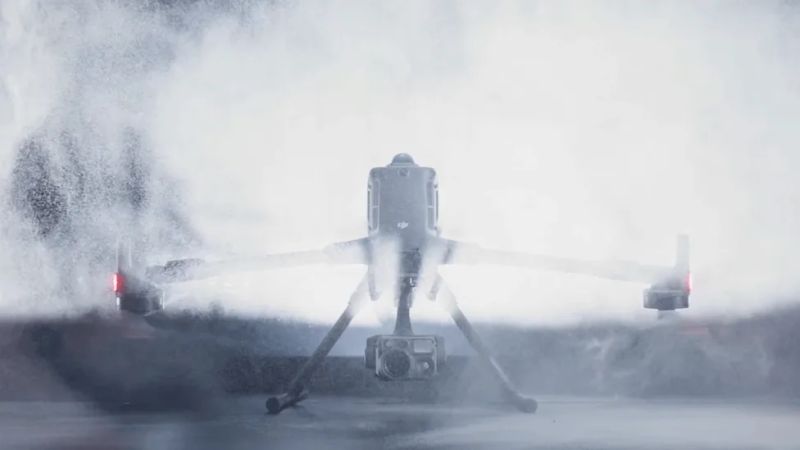
IP55 ratings and 12 m/s wind limits sound reassuring, but ice and heat are harder problems for drones. Here is what is deployed, tested and still in the lab.
Are you sure you want to remove your upvote for this article?
Tracking the latest breakthroughs, research, and deep-tech innovations.
IP55 ratings and 12 m/s wind limits sound reassuring, but ice and heat are harder problems for drones. Here is what is deployed, tested and still in the lab.
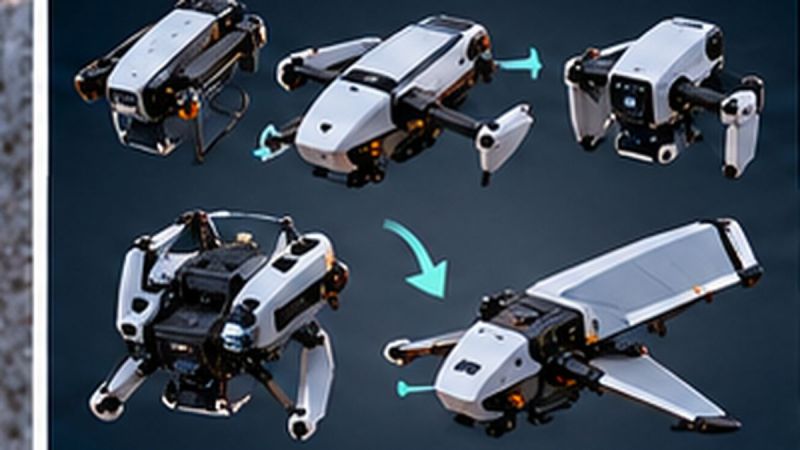
Engineers are building folding and shape-changing drones to improve portability, maneuverability, efficiency and access to difficult spaces.
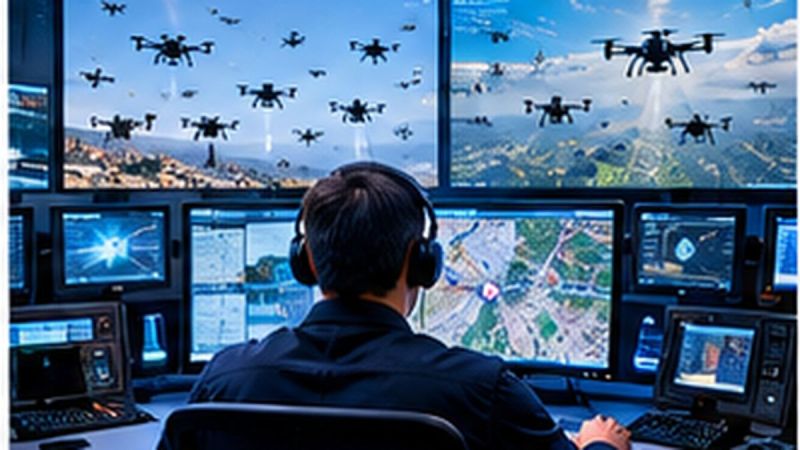
Autonomy and swarm-management systems are reducing the amount of direct control required for multiple UAVs.
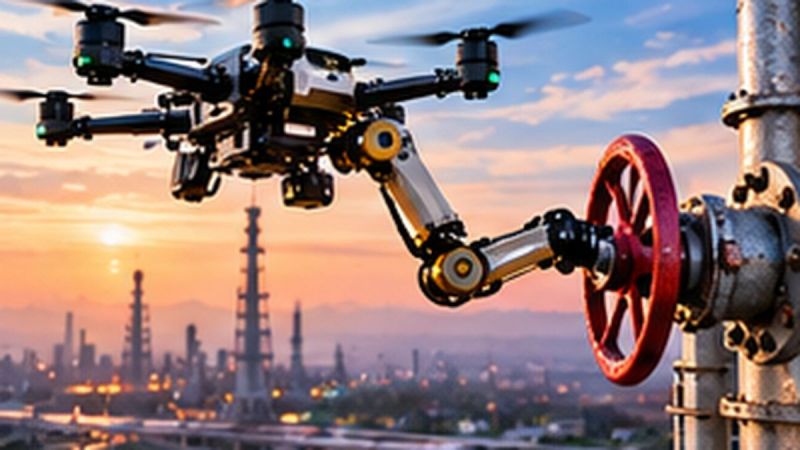
Robotic arms are turning drones from aerial inspection platforms into machines that can physically interact with infrastructure.
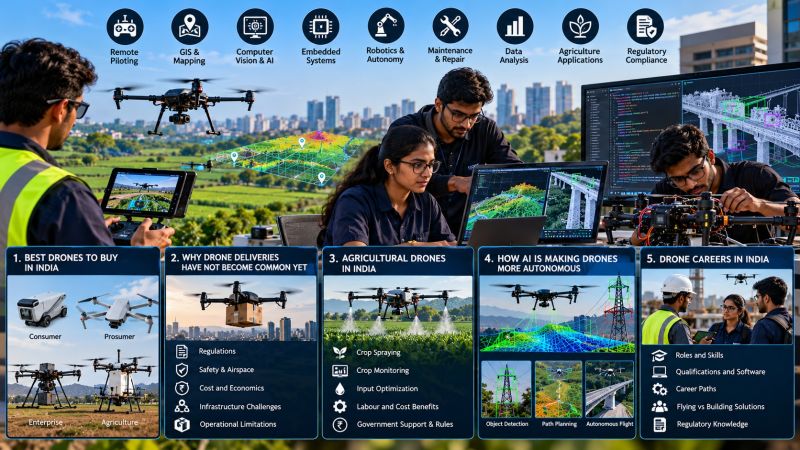
From remote piloting and GIS to robotics, computer vision, maintenance and data analysis, the drone industry needs people who can turn flight into useful real-world solutions.
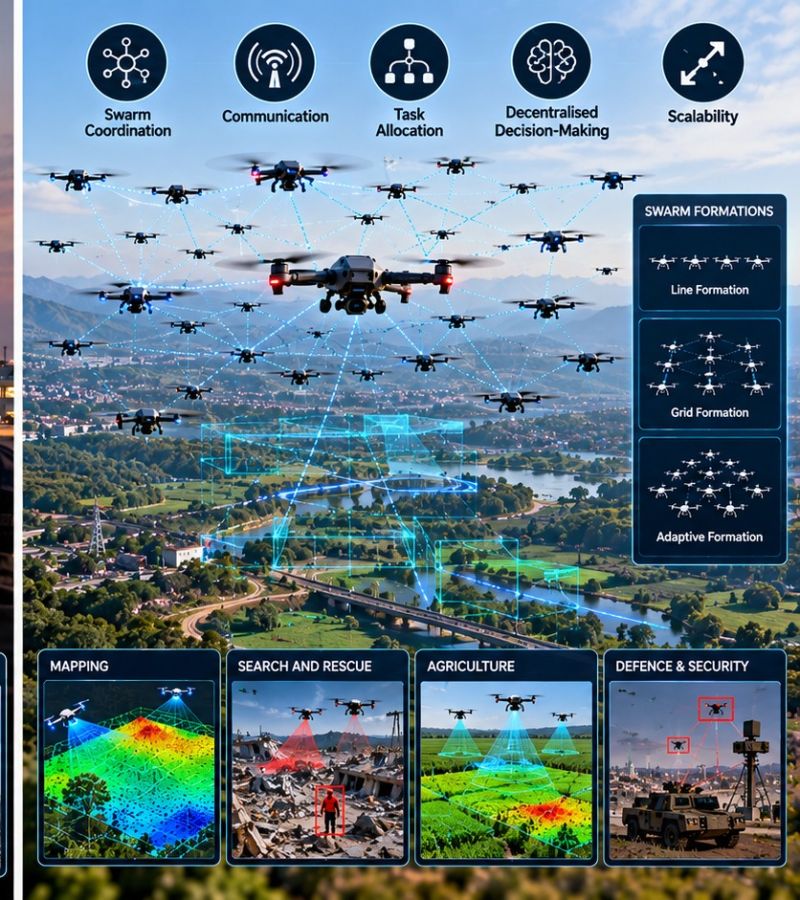
How drone swarms coordinate through communication, task allocation and decentralised decision-making, and what current demonstrations can actually prove.