Why Is One Robot Not Enough for Every Task?
A robot that moves boxes in a warehouse may struggle to fold clothes, assemble a small electronic component or prepare food. Although robots are becoming more capable, building one system that can perform many different tasks reliably remains a major engineering challenge.
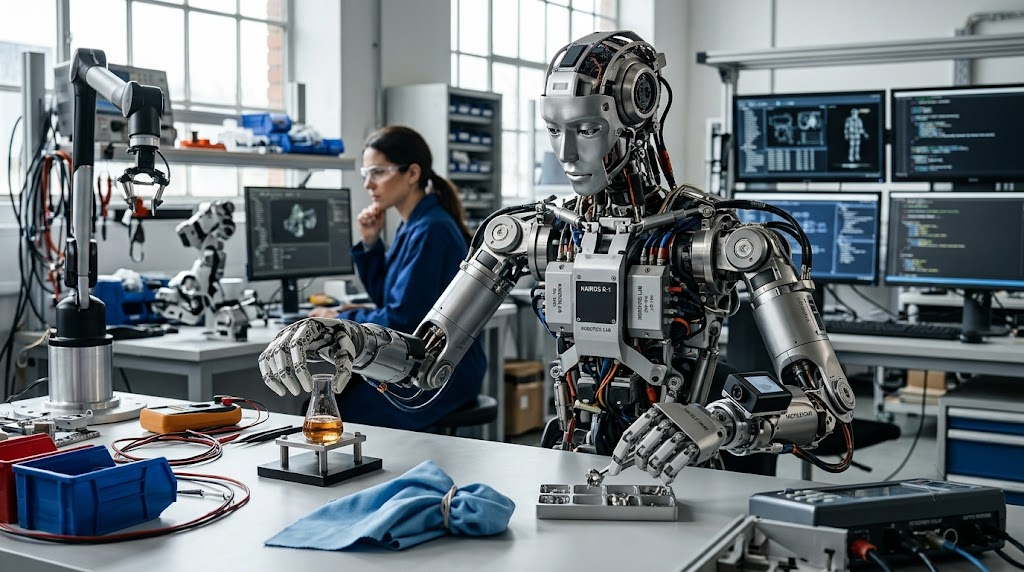
In 2026, researchers are exploring embodied AI and robotic foundation models that connect visual understanding, language instructions and physical actions. However, research reviews identify continuing challenges in data collection, adaptability, hardware and real-world reliability.
Different Tasks Require Different Skills
Every task places different demands on a robot. Moving a box requires navigation and obstacle avoidance, while inserting a small connector requires accurate positioning and controlled force. Picking up a soft object can be difficult because its shape changes when touched.
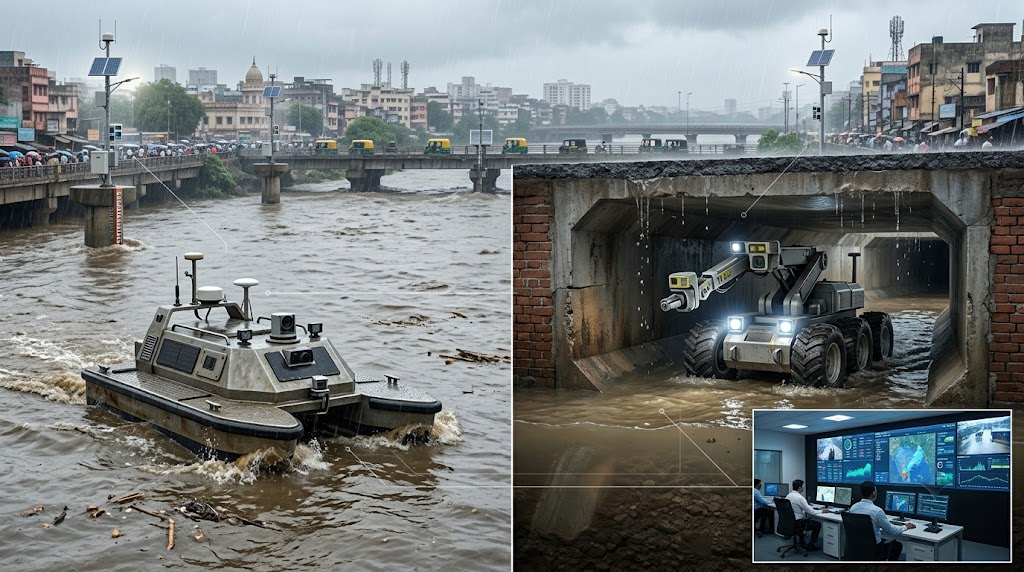
Robots also operate in different environments. A factory robot may work reliably in a controlled workspace but struggle in a crowded home where objects and people move unpredictably. General-purpose systems must recognise these differences and adjust their behaviour instead of repeating the same movement.
Why Robots Need More Training Data
AI models learn from examples, but collecting useful robotic data is expensive and time-consuming. Training may require camera footage, sensor readings, human demonstrations and repeated physical trials. A robot must learn not only what objects look like, but also how they respond when pushed, lifted, rotated or dropped.
Research on dexterous and embodied robotic manipulation highlights data collection, skill learning and physical interaction as important challenges. Simulation can generate additional training examples, but it cannot perfectly reproduce every real-world interaction.
Consequently, a robot trained on one set of objects may perform poorly when it encounters unfamiliar shapes, materials or surroundings. Learning new tasks without collecting large amounts of additional data remains an important research goal.
The Challenge of Handling Real Objects
Human hands naturally adjust their grip, but robotic grippers have mechanical limits. Small components require precision, fragile objects need gentle handling, and slippery surfaces can cause objects to fall.
Robots must combine cameras, movement planning and, in some systems, force or tactile sensors to respond to these conditions. A robot may recognise a cup correctly but still fail to grasp it if the cup is wet, partly hidden or positioned differently from its training examples.
Why Demonstrations Do Not Guarantee Success
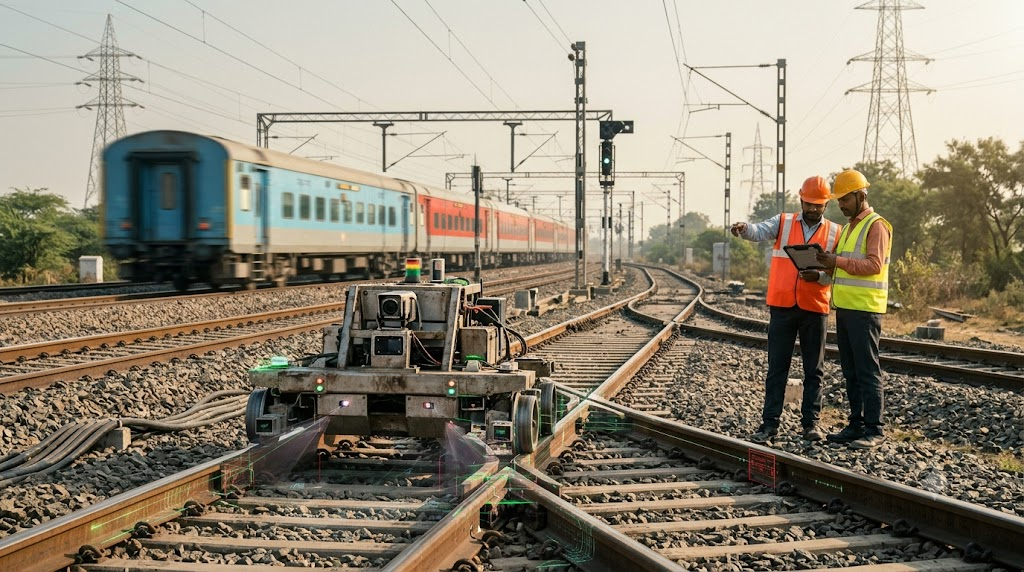
A successful demonstration does not prove that a robot can repeat a task reliably. A movement that works in a laboratory may fail in a real factory because of lighting changes, unexpected obstacles, worn equipment or variations in object position.
This is related to the reality gap: the differences between simulated training environments and the physical world. Research reviews examine approaches such as improving simulation, varying training conditions and testing on real hardware to reduce this gap.
What Needs to Improve Next?
General-purpose robots need better training data, adaptable manipulation skills, dependable sensors and hardware that balances precision, strength, speed and energy use. They must also meet safety and reliability requirements before operating independently around people.
The goal is not simply to build a robot that can demonstrate many skills. It is to develop one that can perform different tasks repeatedly, adapt to unfamiliar situations and recover safely when something goes wrong.