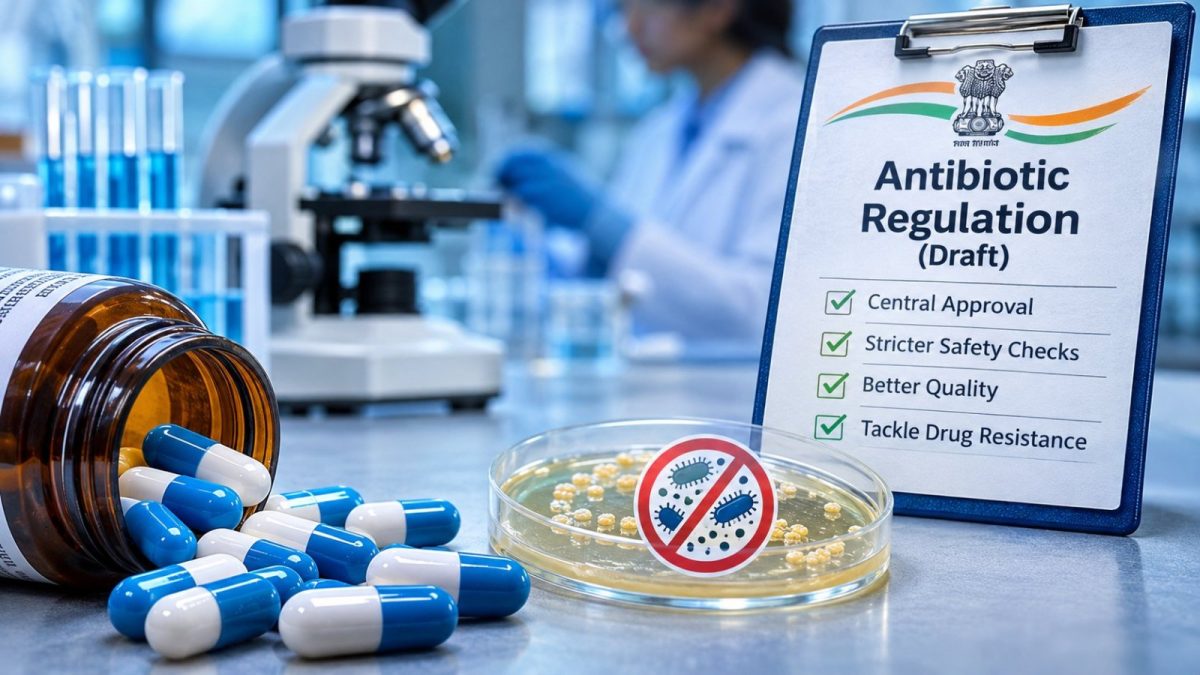
India is considering stricter approval rules for antibiotics and other antimicrobial medicines. The Union Health Ministry has proposed bringing these drugs under greater central regulatory control.
The aim is to improve medicine safety and tackle antimicrobial resistance (AMR), a growing problem that makes infections harder to treat.
Why Is Antibiotic Resistance a Serious Problem?
Antibiotics help treat bacterial infections. But bacteria can become resistant, which makes some medicines less effective.
Using antibiotics when they aren't needed, taking them for viral infections and using them the wrong way can all add to this problem.
When resistance goes up, doctors may have fewer treatment options. Patients may need longer hospital stays or more expensive medicines.
What Is the Government Proposing?
The Health Ministry's draft suggests changes to the New Drugs and Clinical Trials (NDCT) Rules, 2019.
Under the proposal, antimicrobial medicines, including antibiotics, antivirals and antifungals, would count as a "new drug."
This could bring more consistent evidence requirements for safety, quality and effectiveness.
The proposal would also give the Central Licensing Authority a bigger role in approvals that state authorities handle now.
Why Could Central Approval Make a Difference?
One worry with the current system is that approval practices can be different from state to state.
A central review process could reduce these differences and make manufacturers follow more similar standards.
But stricter approval doesn't automatically mean better treatment results. How good the reviews are and how well the rules are enforced would still matter.
Could Antibiotic Prices Increase?
Extra testing and paperwork could raise costs for pharmaceutical companies.
Some manufacturers might pass part of these costs on to buyers.
On the other hand, stronger quality checks could mean fewer poorly supported drug combinations reach the market.
The overall effect on prices and on how easily medicines are available is still uncertain.
What Does This Mean for Smaller Drug Manufacturers?
Large pharmaceutical companies may already have teams that deal with complex regulatory requirements.
Smaller manufacturers could find it harder if extra testing becomes necessary.
This raises an important question for regulators: how can India make drugs safer without making essential medicines too hard or too expensive to supply?
A phased rollout or clear guidance could help companies adjust, but neither should be treated as confirmed government policy.
Will These Rules Solve Antibiotic Resistance?
Not by themselves.
Stricter approvals could improve the quality of medicines that reach the market, but antibiotic resistance also depends on how medicines are prescribed and used.
Doctors, pharmacists, hospitals and patients all have a part to play in cutting down unnecessary antibiotic use.
So stronger monitoring and public awareness would still be important even if the proposal becomes law.
Have the New Rules Been Implemented?
The reported changes are proposals, not final rules.
The draft was described as open for public feedback. The exact deadline for comments should be checked against the official Gazette notification.
Until the government finalises and notifies the changes, they shouldn't be described as rules already in force.
What Happens Next?
The government may look at feedback from stakeholders before deciding whether to finalise or change the proposal.
The main question is whether stronger central oversight can make medicines safer while keeping essential treatments available and affordable.
India's fight against antibiotic resistance will depend not only on approval rules but also on responsible prescribing, proper use of medicines and effective enforcement.