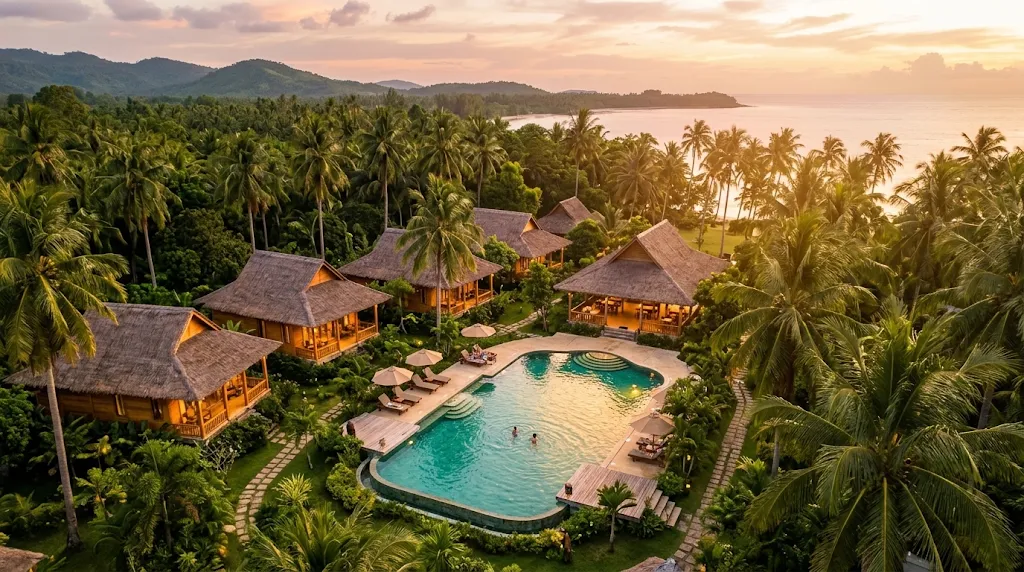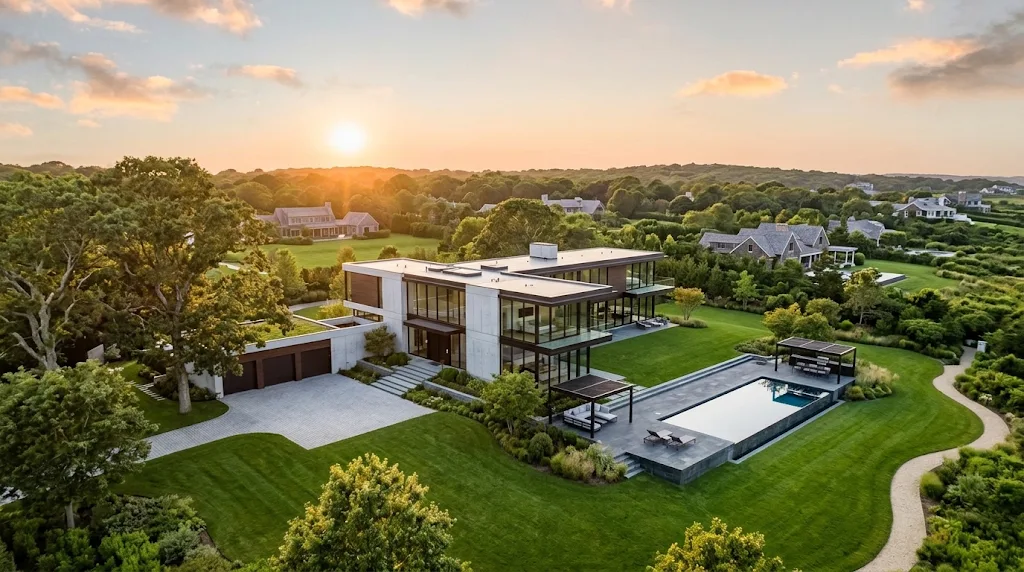
Taking a great aerial photo of a house is a lot more fun than just flying high and pushing a button. A clear drone shot helps people instantly see how a house looks, how big the backyard is, and where it sits on the street. But if you want to learn how to photograph a property using a drone, you need a basic plan before taking off. Good real estate photos take a mix of safety checking, smart timing, and simple camera adjustments.
Checking the Site and Safety First
Before turning on your drone, take ten minutes to check satellite maps of the area. This helps you spot high power lines, tall tree branches, or nearby roofs that might get in the way. It is also super important to follow FAA Part 107 safety rules. You must check local airspace rules first so you do not fly into restricted zones.
Timing your shoot is just as important as your flight plan. Houses look their best in bright sunlight rather than under gloomy, cloudy skies. Flying early in the morning or late in the afternoon works best because the low sun creates warm lighting on the front walls. If you have to shoot in the middle of the day, using an ND filter on your camera lens helps block out extra glare so the roof does not end up looking completely blown out.
Simple Camera Gear and Settings
You do not need super expensive gear to get clean pictures, but camera size does make a difference. Small beginner drones have smaller sensors that can struggle when part of the house is in dark shade and the sky is super bright. Drones with larger sensors capture better details in both bright and dark spots at the same time.
To keep your photos crisp, set your drone’s ISO speed low, around 100 or 200, so the pictures do not look grainy. If you move the drone sideways while shooting, stop completely for a second before clicking the picture so the house walls do not look tilted or blurry. Always set your camera to save files in RAW mode. RAW saves all the extra picture data, making it way easier to fix colors and shadows later on your computer.
Picking the Right Angles
Try not to fly directly over the roof looking straight down. This angle makes the house look completely flat, like a drawing on paper, hiding cool details like front porches and roof slopes.
Instead, keep your drone at a safe height between 100 and 150 feet above the ground. Tilt the camera down at a gentle angle so you can see both the roof and the front door together. This gives the house a nice 3D look. Another awesome trick is to shoot from a front corner instead of straight on. Showing two sides of the house at once gives people a much better idea of how big the property really is. Just make sure to stay far enough back so the lens does not stretch the yards or make nearby parks look closer than they actually are.