Dust, pollen, and dirt from factories can pile up on solar panels pretty fast. On big solar farms in dry, dusty places, that dirt can cut power output by 15 to 20 percent or more. People have cleaned panels with hoses, water trucks, and crawling robots for years. Now some companies use drones that wash panels from above. If you own a solar farm, there are a few things to check before you hire one.
How the drones work
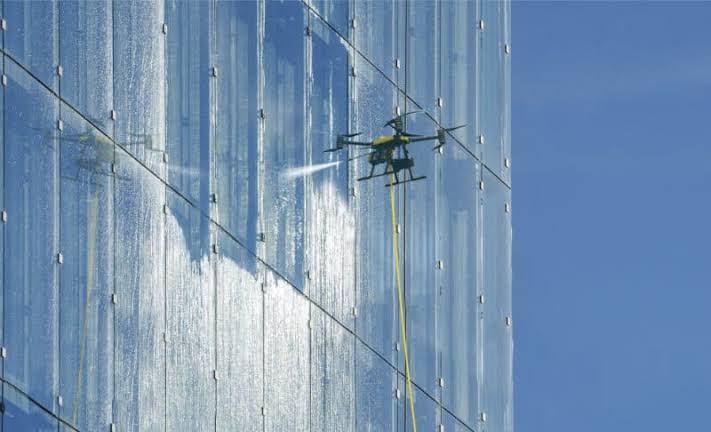
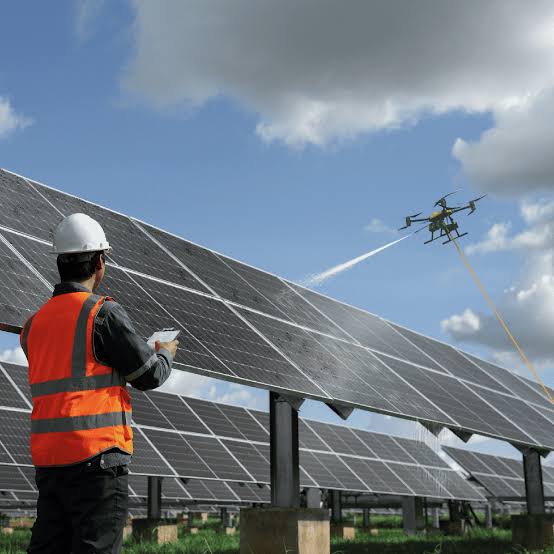
A lot of solar cleaning drones are tethered. That means a line runs from the ground up to the drone. Water travels up through it, so the drone doesn’t have to land and refill. One company says a pump on the ground pushes deionized water up the line to the spray nozzles. Deionized water is just water with the minerals taken out. The drone flies over the panels one row at a time, so nobody has to walk on them.
Why water and pressure matter
Solar panel makers have strict rules about cleaning, and the rules aren’t the same for every brand. First Solar says the water pressure at the nozzle can’t go above 35 bar. Risen Energy says 7 bar on the glass. Canadian Solar allows up to 40 bar. So a drone’s pump has to be set to match the brand of panel it is washing.
The water itself matters too. Normal tap water can leave a layer of minerals on the glass when it dries. That layer blocks some sunlight. Deionized water dries without leaving spots. A few makers, like First Solar, say tap water is okay if it has low mineral content.
Electricity and heat
Solar panels make electricity any time there is light, so water and power can be a bad mix. First Solar warns that cracked panels can leak current, and the chance of a shock goes up when the panels are wet. Heat is a problem too. Panel makers say to clean when the panels are cool, like early morning or evening. Spraying cold water on hot glass can cause thermal shock, which means the glass gets stressed by the sudden change in temperature.
Because of this, owners should ask a drone company a few things. How does it deal with cracked panels? What time of day does it clean? How does it keep the water close to the panel’s temperature?
The warranty
The biggest risk might be the warranty. First Solar says that not following its cleaning rules can void the warranty. It also wants to review and approve any automated cleaning tools before they are used. Other panel makers have similar rules.
Before signing a contract, owners should ask three questions:
- Do the drone’s water pressure and water type match what the panel maker allows?
- Did the panel maker approve the cleaning method in writing?
- Does the company have insurance that covers damage to panels?
A drone can be a gentle way to clean a solar farm. But it only keeps the warranty safe if its settings match what the panel maker says is allowed.