Drone Photos for Storm Damage Claims
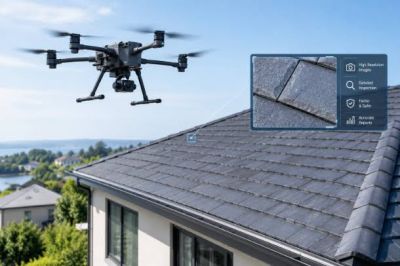
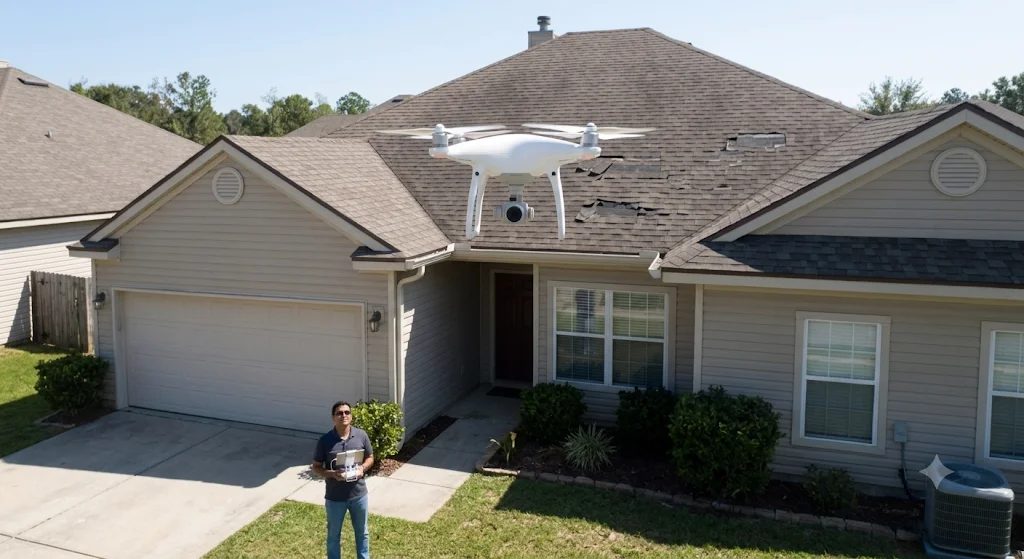
A bad storm can leave behind scattered roof tiles, dented metal sheets, and cracks you can’t see from the ground. When you file an insurance claim, clear photos often decide whether you get paid fast or end up in a long argument. Climbing a wet, slippery ladder to take phone pictures is dangerous, and photos from the ground never show the whole roof. A drone fixes this because it gives you a bird’s-eye view while you stay safely on the ground.
Safety and Rules First
Before flying anything, check the safety and local flying rules on the DGCA Digital Sky Platform. Never fly in strong wind, rain, or near low-hanging cables. When the weather is fine, walk around the property first and look for fallen trees, broken glass, or downed power lines, because these can mess with the drone’s compass and radio signal. If you hire a professional instead of flying it yourself, check that they have a valid Remote Pilot License (RPL) registered on the DGCA Digital Sky Platform and that they carry commercial liability insurance.
What Photos to Take
A good inspection depends on the drone’s sensors working together. The built-in GPS and an inertial measurement unit, which keeps the drone balanced, help it hover steadily over damaged spots, while a motorized gimbal keeps the camera level. Start with high, wide photos of the whole property, including nearby roads or trees, so the reviewer sees the context. Then fly lower in a straight grid over the roof, and make sure each photo overlaps the one before it so no part gets missed. Take angled shots of every roof slope, gutter, solar panel, skylight, and chimney.
Last, hover closer or use optical zoom to get sharp close-ups of specific damage like cracked tiles, lifted shingles, or torn waterproof sheets. Use high-resolution still photos in bright daylight. Also check that your drone saves EXIF metadata, which is the hidden stamp inside every photo file that records the exact time, date, focal length, and GPS location of the shot.
How to Label and Organize Files
A messy folder of randomly numbered photos slows down the insurance adjuster and delays your payout. Make one main folder for the storm and then sort the photos into subfolders by area, like Roof Slopes, Exterior Walls, Solar Panels, and Yard Debris.
Rename each file with a pattern of Date, Location, and Damage Type. For example, “2026-11-16_North-Roof_Cracked-Tiles.jpg” tells the reviewer everything before they even open it. It is also smart to keep a separate subfolder with the original, unedited files next to any marked-up copies that highlight hard-to-see cracks, so reviewers can check that the photos are genuine.
What to Ask Your Insurer First
Don’t pay for a commercial drone flight before talking to your insurance company. Call them and ask three things before hiring anyone. Does my policy pay back the cost of a drone operator as part of claim expenses? Do you have an approved list of inspection vendors? And do you need specific file formats, uncompressed raw photos, or short video walkthroughs along with the still pictures?
Limits of Drone Inspections
Regular drone cameras can spot surface damage quickly and safely, but they can’t see under the roof tiles, so they miss trapped moisture, wet insulation, or weak wooden beams inside the attic. Lithium-polymer batteries also don’t last very long, so big properties need several battery swaps. Because of these limits, drone photos are good first evidence, but they shouldn’t fully replace an in-person check by a qualified building engineer.