Ponds and lakes change dramatically over the course of a year. Spring brings lush green growth, summer can cause water levels to drop under the sun, autumn drops a blanket of fallen leaves, and winter often quiets the surroundings. Keeping a visual record of a local body of water helps communities track environmental health over time. Taking random snapshots is not enough; capturing meaningful changes requires a consistent, scientific method known as repeat photography.
Setting Up Your Repeat Photography Stations
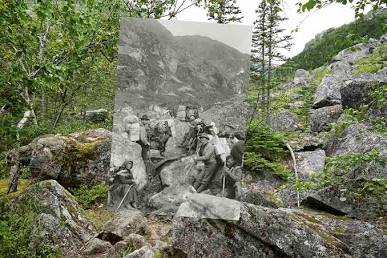
To compare photos across different months, every picture must be captured from the exact same spot, height, and angle. Following standard United States Geological Survey (USGS) field monitoring practices [1], start by finding permanent background landmarks, such as a distinct rock formation, a utility pole, or a uniquely shaped tree. Stand in that precise location, use your camera's gridlines to align the horizon and shoreline identically, and keep your lens at a fixed focal length without zooming in or out. Lock your camera's white balance to daylight mode so changing cloud cover does not alter water colors, save your GPS coordinates, and verify that your device records EXIF metadata, the hidden digital stamp inside every photo file showing the exact date, time, and location.
Documenting Shorelines, Litter, and Plant Life
Once your photo stations are established, focus your camera on specific environmental indicators. Track how the shoreline moves inward during dry spells or expands when heavy rains raise the water line. Document seasonal plant growth, noting when invasive weeds, surface algae blooms, or native water lilies spread across the water. You should also record human impacts, such as plastic litter, eroded soil, or debris washed ashore after storms, so local clean-up groups can see where waste accumulates. Consistent seasonal photos create a clear, chronological timeline of how natural cycles and human activity interact with the water body.
Understanding the Limits of Visual Evidence
While cameras are fantastic for tracking visible surface changes, they have strict technical limitations. As outlined in US Environmental Protection Agency (EPA) watershed monitoring guidelines [2], a standard optical camera sensor only captures visible light waves reflecting off the water's surface and top layer, meaning it cannot measure water quality or basin depth. Crystal-clear water can still carry invisible bacteria, dissolved chemical pollutants, or heavy metals that do not change how light reflects. Likewise, surface glare, light refraction, and suspended silt prevent a photograph from showing how deep the basin actually is or whether dissolved oxygen levels are dropping. Measuring true water health requires chemical testing kits, laboratory samples, and physical depth tools like a weighted measuring line or Secchi disk.
Building a Long-Term Community Record
Creating a seasonal photo log turns casual outdoor observations into reliable environmental data. By keeping camera angles, focal lengths, white balance settings, and lighting conditions consistent, you build an accurate history of your local ecosystem. Just remember to pair your visual records with physical depth checks and laboratory water testing whenever water safety is a concern. A good picture tells part of the story, while direct scientific measurement finishes it.