TikTok Just Launched a Separate Shopping App, and It Did It Quietly
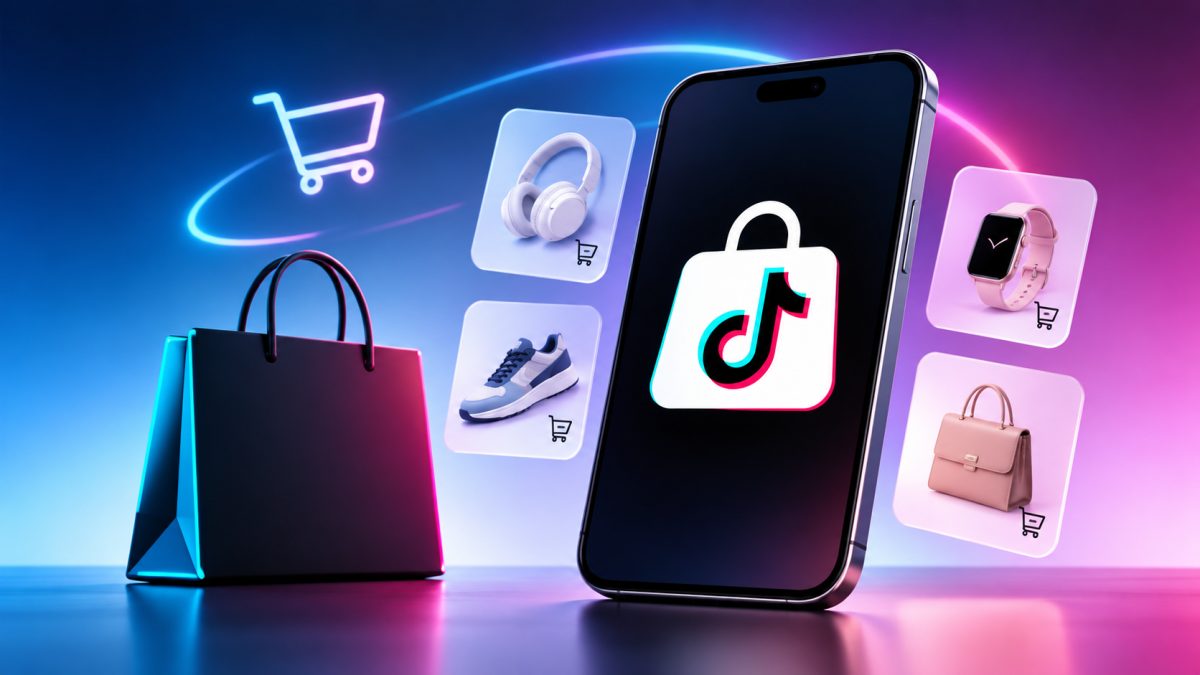
On November 5, 2026, TikTok launched a standalone “TikTok Shop” app on iOS and Android. It’s only in four Southeast Asian countries so far: Singapore, Malaysia, Thailand, and the Philippines. There was no big event or announcement. TikTok just kind of dropped it, which is what people call a soft launch.
What’s in the app?
The app is only for shopping. You get a personalized feed of products, shopping through videos and livestreams, one cart for everything, order tracking, customer support, and discounts that only the app has. Basically, TikTok pulled the shopping part out of the main app and gave it its own home.
Why make a separate app?
For years, TikTok Shop worked by putting product cards on top of videos and livestreams inside the main app. The problem is that watching videos and buying stuff are two very different jobs for an app.
- Videos need to load super fast and keep scrolling smoothly. Nobody wants buffering.
- Shopping needs way more careful work behind the scenes, like checking stock, handling payments safely, and making sure two people don’t buy the last item at the same time.
Also, scrolling videos is relaxed, while shopping is when you already know what you want. You need good search, filters, and a cart that remembers your stuff. By splitting them up, TikTok can keep videos running smoothly even when lots of people are searching products.
Why does it matter?
This is TikTok going straight after Amazon, Temu, and Shopee. With its own app, TikTok can build a recommendation system that cares about whether you actually buy something, and not just how long you watch.
What are the problems?
- Getting people to switch: Moving users from shopping inside TikTok to a whole new app is hard. TikTok will need reminders and notifications to get people to open it daily.
- Harder for sellers: Small businesses and creators may have to manage inventory, product details, and live sales across two different dashboards.
- Expensive to run: A shopping app needs fraud detection, stock locking, and the ability to handle huge flash-sale rushes without messing up the main app.
What’s next?
TikTok is probably using these four countries as a test to see how its servers handle the load, how many people actually buy, and how fast checkout runs. If it goes well, the app could go to more countries over the next year. Nobody has said for sure, though.