Nvidia Is Investigating Its Own CEO, and It’s a Big Deal
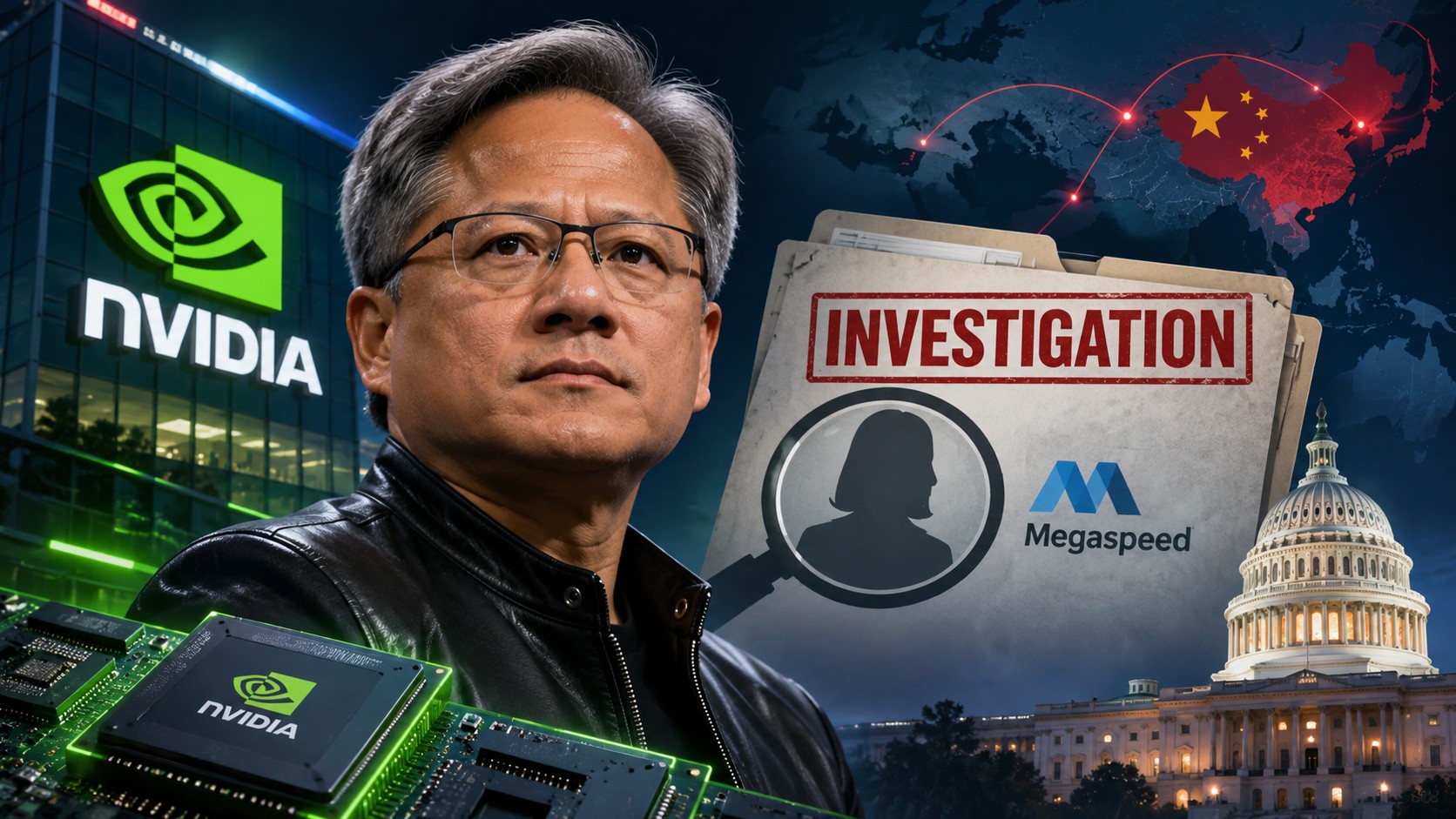
On November 8, 2026, Nvidia’s board announced an independent investigation into reports that CEO Jensen Huang was targeted by a foreign intelligence effort. A committee of independent directors is overseeing it, with help from outside lawyers.
This comes after reports of a personal relationship between Huang and Alice Huang, an executive at Megaspeed, a data center company based in Singapore. US intelligence agencies reportedly suspect that she was acting as a Chinese intelligence asset. The idea is that she was trying to gather info on advanced computing supply chains and influence trade policy. Keep in mind that these are suspicions and reports, not proven facts. Nvidia’s board said it has no reason to believe national security or internal secrets were compromised.
Why is this such a big deal?
The main worry isn’t really about anyone’s personal life. It’s about how the company is run and whether its supply chain can be trusted. Megaspeed is a major Nvidia customer. Between 2024 and 2026, it bought billions of dollars of AI equipment through regional affiliates.
Before the board’s announcement, media reports said federal intelligence agencies had briefed administration officials on possible intelligence operations aimed at Nvidia’s customer network. Nvidia said its dealings with Megaspeed were routine, and pointed out that Huang meets thousands of business executives every year. Critics say that selling this much through third-party regional hubs makes it really hard to keep an eye on where everything ends up.
The politics
This is landing in the middle of a huge fight over national security and tech trade. For months, Huang has been lobbying Washington to keep access to overseas markets and stop strict bans on high-performance chips. Now lawmakers from both parties are using the investigation to push for tighter rules:
- Three Republican House committee chairs asked Huang to brief Congress behind closed doors about foreign intelligence targeting.
- Senate Banking Committee members put out joint statements asking the Commerce Department to pause advanced AI chip export licenses and close loopholes.
- House Foreign Affairs leaders also called for fast restrictions on advanced chip shipments, saying export policy should put national defense first.
Key-person risk
This also shows how much Nvidia depends on one person. Huang doesn’t just lead a company that makes top GPUs. He’s also basically Nvidia’s main ambassador to governments and giant customers. If political pressure pushes regulators to decide export rules based on whether they trust a company’s executives, instead of on technical specs, Nvidia could be in real trouble. A long pause or total ban on international shipments would hit its future revenue hard, especially while demand for AI infrastructure keeps growing.
The bigger picture
This investigation could be a turning point. As AI hardware becomes the foundation of global power, regulators are looking at more than software rules and chip performance. Now they’re looking at the relationships of the executives running global trade, too. Whether the US keeps its current export rules or brings in sweeping bans, the mix of executive governance and international tension is going to decide who gets access to the most advanced computing hardware in the world.