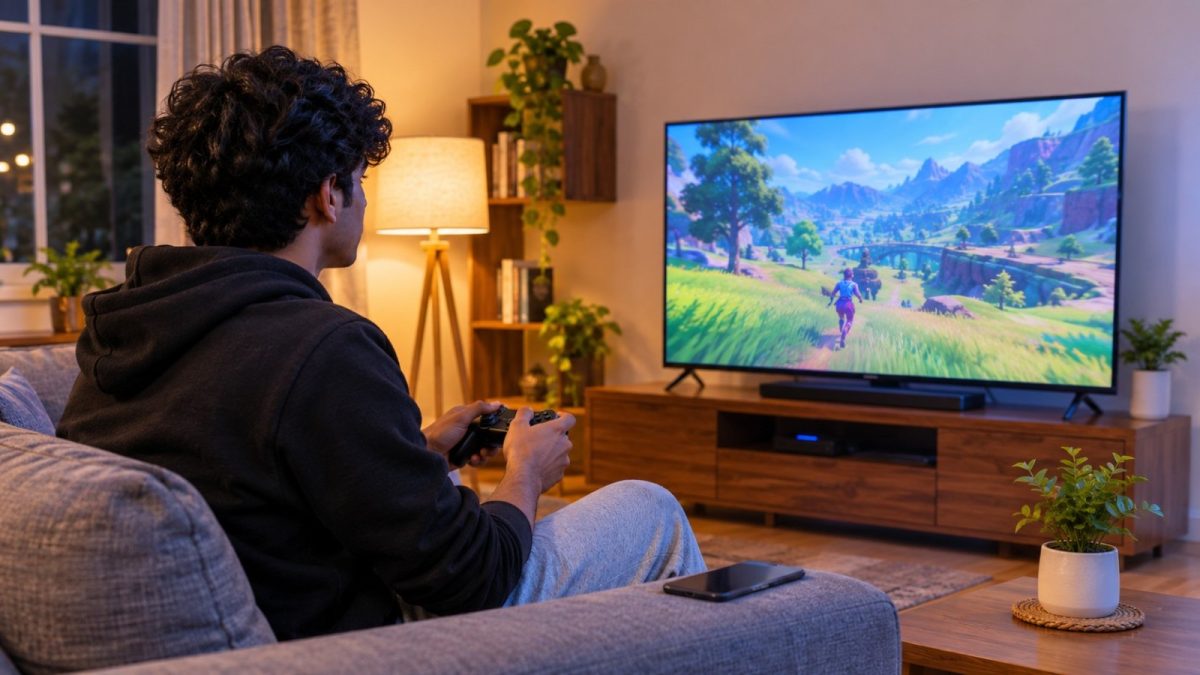
Live-service games are games that never really end. Makers roll out new seasons, items and events on a regular basis so players keep coming back. Think of a cricket league that starts a fresh season every few weeks. Roblox and Fortnite are famous examples. This setup has changed how people spend both time and money. Instead of paying once and moving on, many players spend small amounts over and over, often for years.
A Small Group Pays for Most of It
Newzoo, a games research firm, expects the global games market to hit $213.9 billion in 2026. It counts 3.7 billion players worldwide, and around 1.65 billion of them spend money. The firm says future growth relies more on earning from current players than on bringing in brand-new ones.
Spending isn't split evenly. Bain & Company surveyed 5,339 gamers in June 2026 and found that the top 20% of spenders paid for 73% of all spending. Meanwhile, the most active 20% of players accounted for 59% of total playtime.
How a Game That Never Ends Earns Money
Many live-service games are free or cheap at the start. The studio then releases fresh content on a set schedule, and players can buy outfits, season passes or extra packs.
A review of Newzoo's 2026 report notes that roughly half of PC spending goes toward in-game items, mostly in free-to-play games. On consoles, the share is about a quarter, coming mainly from paid live-service games like Call of Duty.
Time follows a similar pattern. Newzoo reports that the top 20 franchises still capture over half of all playtime across platforms. On PC, the top five has stayed the same since 2023, with titles like Roblox, Counter-Strike 2 and League of Legends.
Why This Shift Matters
Players get a low-cost way to start and always have new things to explore. For studios, steady small payments can bring in more money over time than a single launch-day price.
Newzoo reports that mobile game downloads dropped 25% in the first half of 2026. Even with fewer downloads, spending still grew because popular games made more money from players they already had.
The Costs: Easy Purchases and Tough Competition
Small charges are easy to trigger by accident. The US Federal Trade Commission accused Fortnite of using tricky buttons that caused unwanted charges. In 2022, Epic Games agreed to pay $245 million in refunds to settle the case. Bain also found that about 86% of teenagers spend money on gaming in a typical month.
Standing out is tough too. Newzoo says most existing live-service games were flat or down in the first half of 2026. Brand-new free-to-play games make up only about 2% of long-tail PC playtime.
What Happens Next?
Newzoo expects player growth to slow to roughly 3.2% per year through 2029, reaching 4.07 billion players. Bain notes that studios will need to pick which groups of players to serve, since there's no single "average" gamer. No one knows how long players will keep paying regularly or how governments will regulate these games.
Live-service games have turned playing into a habit and spending into a routine. That brings ongoing fun for many gamers, along with hidden costs. Understanding how these games make money helps players and parents judge when a small buy is truly worth it.