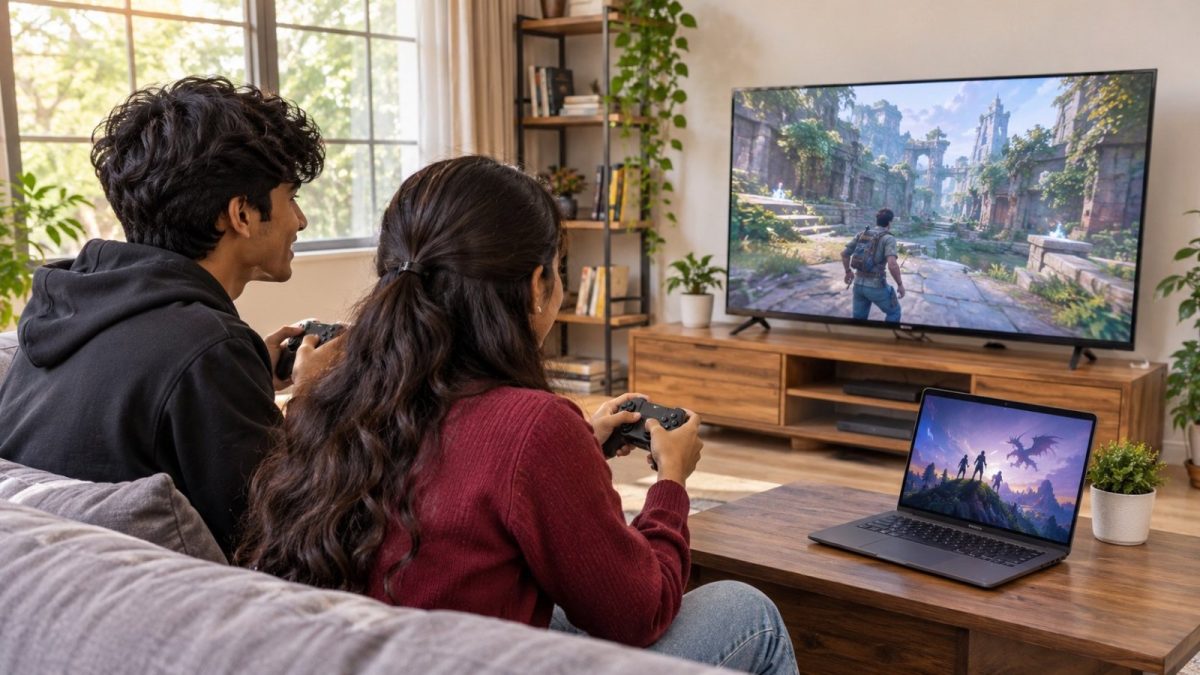
Years ago, buying a video game felt like buying a finished book. You put the disc in, played the story and moved on. Today, a lot of popular games never really end. You can see how live-service games are changing what players expect every month, as developers add new missions, modes and items to worlds that already exist.
What Is Happening?
Big studios and small teams both treat major online games as long-term services now, not one-time releases. Games like Fortnite, Apex Legends, Genshin Impact and Call of Duty: Warzone put out regular updates that keep millions of players logging in. Instead of waiting three or four years for a sequel, players now expect changes every few weeks or months.
How Does It Work?
A live-service game runs on connected servers, so developers can push updates without making players buy a brand-new game. Think of a neighborhood bakery that adds a new treat every Friday instead of opening a whole new shop each time. Developers watch how people play and see which maps or tools get used the most, then adjust the game over time. They also make money from optional things like outfits, battle passes or new characters, instead of charging only at checkout.
Why Is It Important?
This model gives players more months or years of fun from one game they already know and enjoy. Friends can stay in the same online space, share new events and keep playing together without starting over every year. For studios, steady updates can build loyal communities and bring in regular income when players enjoy the extras.
What Are the Challenges?
Ongoing games also bring real headaches for both players and creators. Updates can take up a lot of storage space, bring in bugs, or change rules in ways some fans don't like. Prices for extra items can add up fast, and players sometimes feel pushed to keep up with limited-time events. Studios also face heavy pressure to ship new content on schedule without burning out their teams.
What Happens Next?
Studios are trying smarter ways to balance fresh content with workloads their teams can handle, and to make pricing clearer. Many teams are also paying closer attention to player feedback, so long-running games stay welcoming to newcomers as well as longtime fans. Not every game fits this style, so single-player story games still have a strong place next to online worlds.
As games keep growing after launch, players naturally look for worlds that feel alive and cared for. Still, the best games are the ones that respect a player's time, money and enjoyment long after day one.