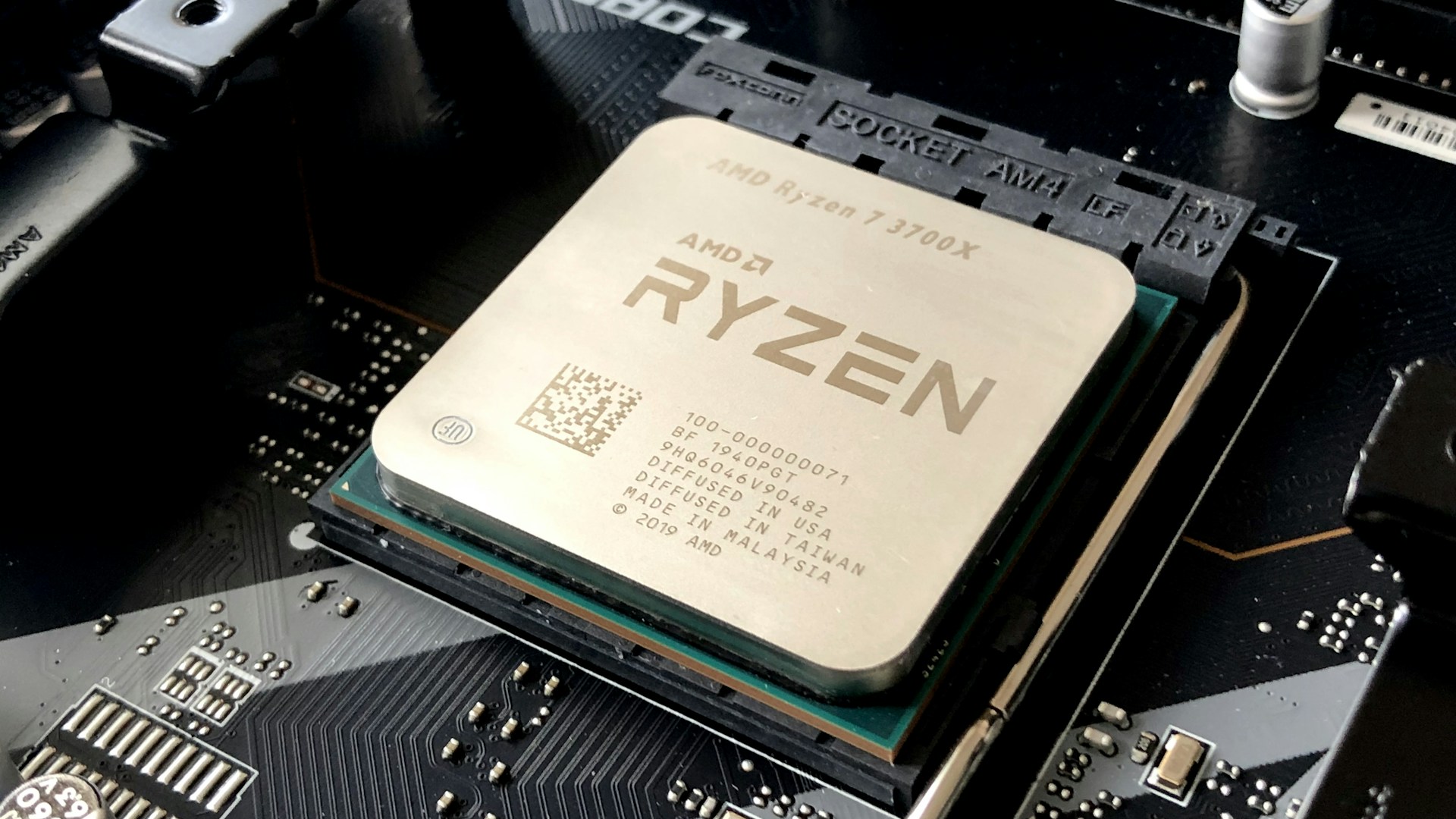
For many years, computer processors were built as one large piece of silicon. This design is called a monolithic chip. It contains important parts such as CPU cores, graphics units and memory connections on a single piece of silicon.
As processors became more powerful, making these large chips became more challenging and expensive. To solve this problem, chipmakers started using a different approach called chiplet architecture. It allows them to build a processor using several smaller pieces instead of one large chip.
Why Is Building One Large Chip Difficult?
Making a computer chip is a complex process. Manufacturers use silicon wafers to produce many chips at once. However, tiny manufacturing defects can affect the final product.
A defect in a large chip can make the entire chip unusable. This can increase manufacturing costs, especially when the chip contains billions of tiny transistors.
Smaller chip designs can help reduce some of these risks. If manufacturers build a processor using separate pieces, a problem in one section may affect only that section instead of the entire design. This does not remove all manufacturing problems, but it can help improve production flexibility and reduce waste in some cases [1].
What Is Chiplet Architecture?
Chiplet architecture divides a processor into smaller parts called chiplets. Each chiplet is designed to perform a particular job.
For example, one chiplet may contain CPU cores, while another handles input and output connections. Some processors also use separate graphics or memory-related sections.
Think of it like building a house using separate rooms. Each room has its own purpose, but all the rooms work together as one home.
This design gives chipmakers more choices when building processors. They can use different manufacturing technologies for different chiplets. High-performance sections may use newer manufacturing processes, while less demanding sections can use older and more affordable ones [1].
This can help companies control costs and design processors for different types of devices.
How Do Chiplets Communicate With Each Other?
Using separate chiplets creates one important challenge. They need to exchange information quickly and reliably.
To solve this problem, manufacturers use advanced packaging technology. It connects different chiplets inside the same processor package. Some designs place chiplets next to each other, while others stack them vertically.
Companies such as TSMC develop packaging technologies that help connect these separate pieces of silicon [2]. These connections allow the chiplets to share data without depending on long connections across a computer motherboard.
Another important development is Universal Chiplet Interconnect Express, commonly called UCIe. It is an industry standard designed to help chiplets communicate through a common connection system [3].
The aim is to make it easier for chipmakers to combine different chiplet designs. However, actual compatibility and performance depend on the implementation.
Does Chiplet Architecture Improve Battery Life?
Chiplet architecture can give engineers more flexibility when designing processors, but it does not automatically improve battery life.
Battery performance depends on several factors. These include processor design, power consumption, cooling, software and the type of work being performed.
Some processors use separate low-power sections for lighter tasks. Other designs can manage power across different parts of the chip. These features may help reduce energy use when the laptop is not performing demanding work.
However, users should not assume that every chiplet-based laptop will last longer on a single charge. Real battery life depends on the complete laptop, not just the processor's internal design.
What Does This Mean for Future Laptops?
Chiplet architecture gives manufacturers more ways to build processors for different needs. It can help them combine different processing technologies and create products with a wider range of performance levels.
It may also make it easier to develop processors with more CPU cores, graphics features and specialised hardware. However, the final result depends on how well the chiplets are designed and connected.