Creating a modern video game takes hundreds of people and several years of work. Developers must write code, paint environments, design characters, and test thousands of interactive scenes. Today, studios are turning to artificial intelligence to speed up these massive tasks. From smarter non-player characters to automated quality testing, software tools are changing how games get made while starting an intense debate across the industry.
How Studios Use AI in Modern Games
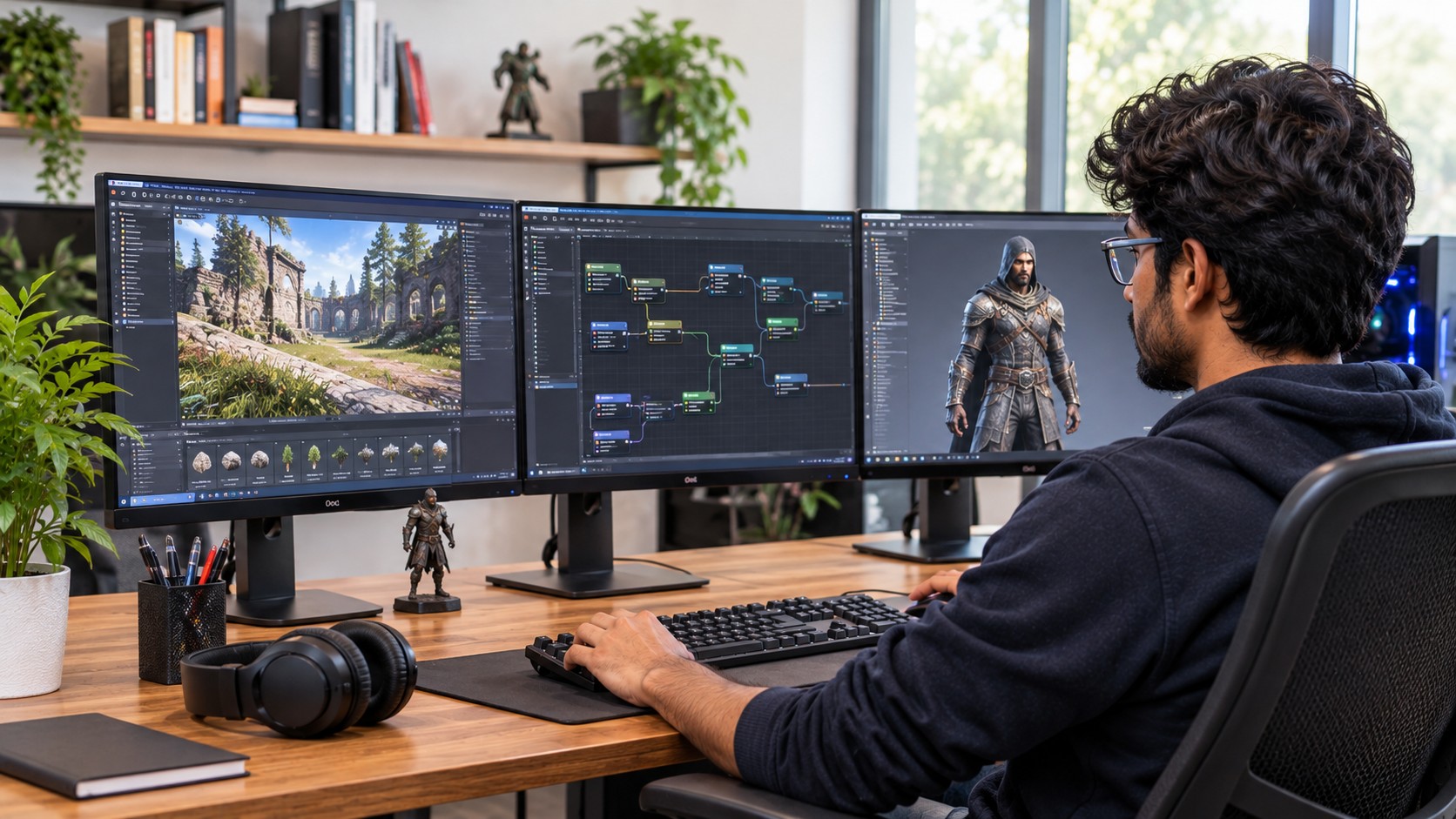
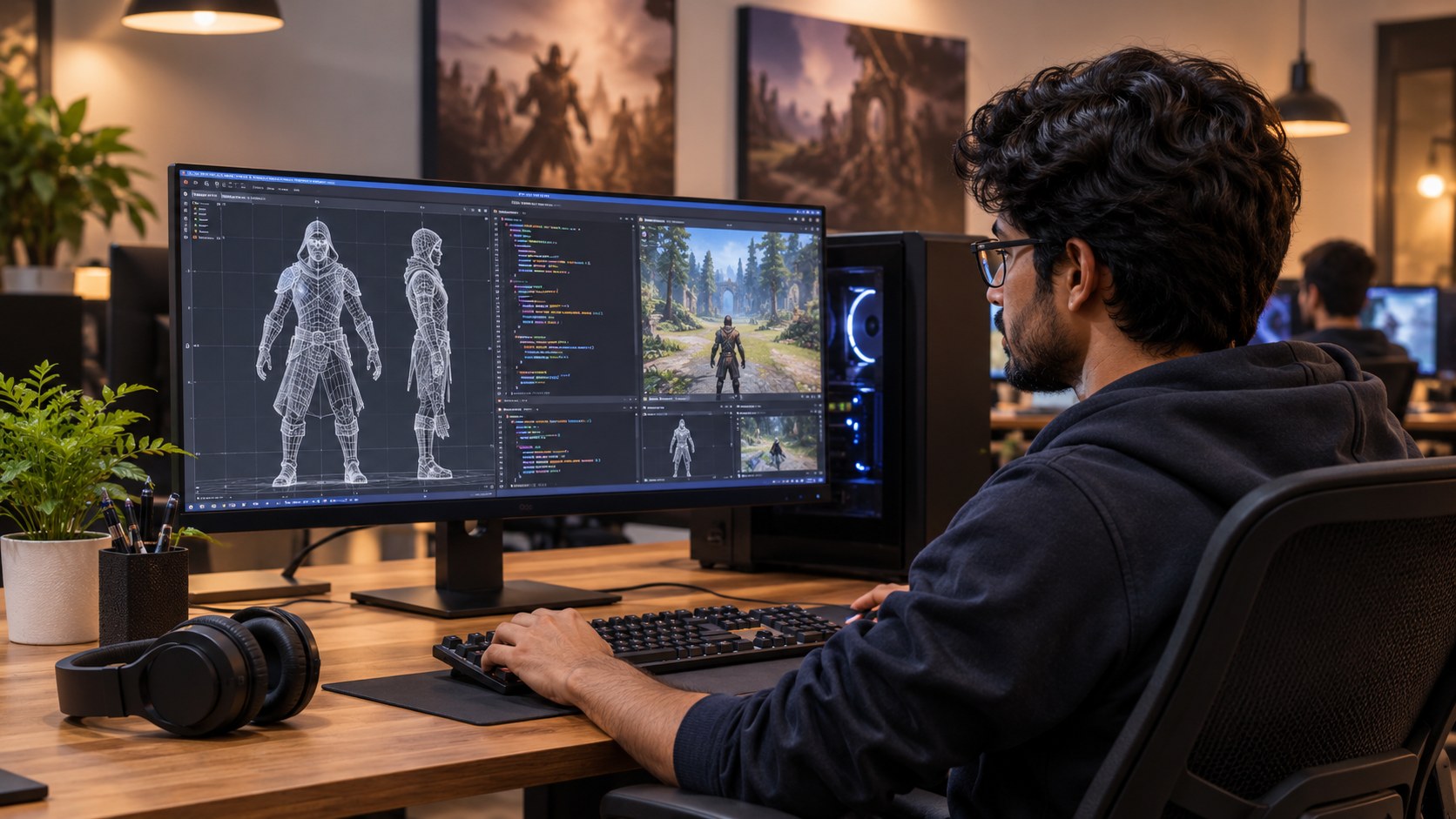
Major gaming companies and independent studios are actively integrating machine learning models into their daily production pipelines. Software tools now generate early concept art, construct 3D textures, and assist programmers with routine coding tasks.
In automated testing, AI bots play early versions of games for thousands of hours continuous without stopping. These digital playtesters spot invisible walls, detect game-breaking bugs, and highlight balancing issues much faster than human testers can alone. On the creative side, studios use generative tools during early brainstorming to draft rough visual ideas before artists build final assets.
Smarter NPCs and Dynamic Conversations
Non-player characters, or NPCs, usually follow simple scripted paths and repeat the same fixed dialogue options. With generative language models and speech synthesis, characters can now respond dynamically to what a player types or says.
Projects like Nvidia ACE and Ubisoft's Neo NPC initiative show how game characters can hold unscripted conversations. Instead of choosing from a set list of pre-written choices, players can ask open questions. The NPC processes the player's input, stays inside its written back-story, and speaks back naturally in real time, making virtual worlds feel far more reactive and alive.
Why AI Helps Game Developers
Building high-quality video games has become extremely expensive. Automated testing allows small development teams to check large open worlds for technical glitches without hiring massive quality assurance teams.
AI tools also handle repetitive tasks like cleaning up motion capture data, compressing visual files, or building simple background assets like trees and rocks. This automation saves time, allowing human designers to focus on core storytelling, clever level design, and overall player experience.
The Ethical Debate and Job Concerns
Despite its practical benefits, the rise of AI tools in game development has created serious ethical concerns. Voice actors and concept artists worry that generative tools endanger their jobs and livelihoods.
Unions like SAG-AFTRA have raised major concerns over voice cloning and performance capturing without clear consent or fair payment. Many artists also argue that AI image generators rely on datasets trained on copyrighted artwork without permission. As a result, studios face heavy criticism whenever they replace human creative work with software outputs.
What Happens Next for Gaming
Artificial intelligence will not replace human game creators anytime soon. Instead, the industry is moving toward hybrid production models where human supervision remains essential. Industry organizations are working on guardrails, including strict consent rules for voice models and clear labels for AI-generated content. As these rules mature, studios will use AI mainly to streamline routine work while keeping human artistry at the center of game design.