What Is Sickle Cell Disease?
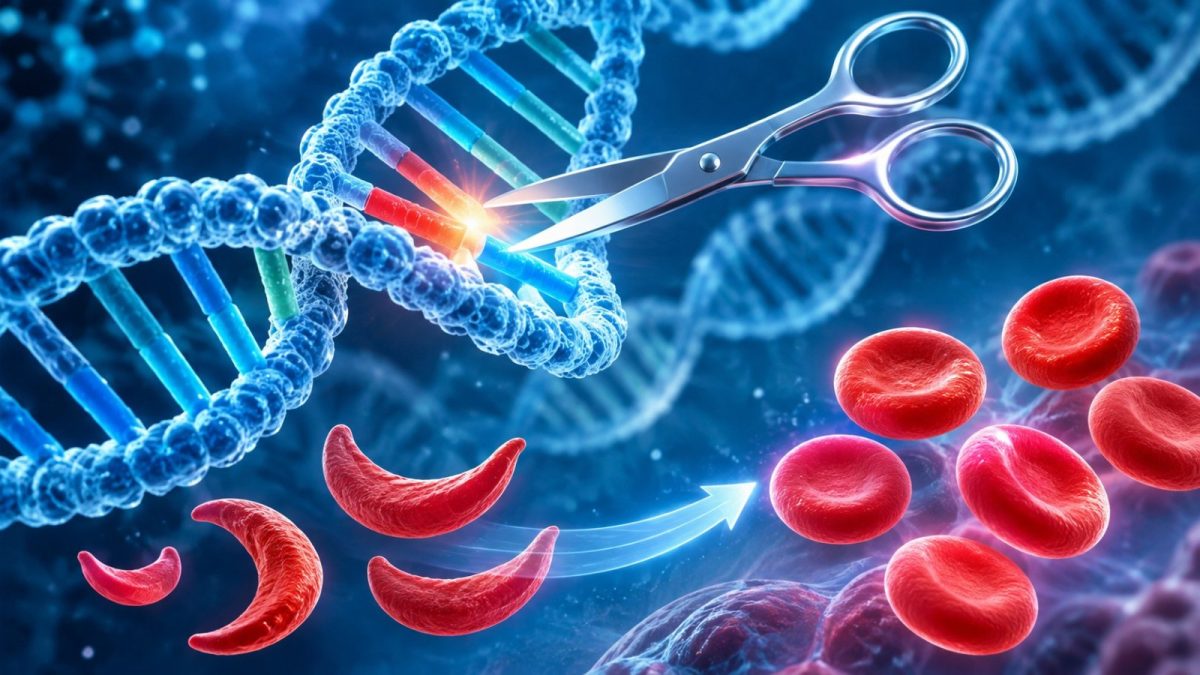
Sickle cell disease is an inherited blood disorder. It makes red blood cells stiff and curved, which can block blood flow and cause pain or damage to organs. According to the US Centers for Disease Control and Prevention (CDC), about 100,000 people in the United States live with the disease. It also affects people in India, Africa and other regions.
What Is Nula-cel?
On November 12, 2026, Kamau Therapeutics announced that its experimental gene-editing treatment, Nula-cel, had received Regenerative Medicine Advanced Therapy (RMAT) designation. The FDA explains that this designation can help speed up the development of promising treatments for serious diseases. But it doesn't mean FDA approval. The announcement is a claim made by the company, and it still needs a direct source to confirm it.
How Does Nula-cel Work?
Sickle cell disease happens because of a small change in a gene called HBB. This gene helps the body make hemoglobin, the protein that carries oxygen in red blood cells. Nula-cel is designed to repair this change using CRISPR-Cas9, which works like a pair of molecular scissors. It targets the exact spot in the DNA where the mutation is found. The treatment then uses a natural repair process called homology-directed repair (HDR), guided by a DNA template with the correct sequence.
Doctors first collect blood stem cells from the patient. These cells are edited in a laboratory and put back into the body. Before that, the patient goes through chemotherapy to prepare the bone marrow. The aim is for the corrected stem cells to make healthier red blood cells with working hemoglobin.
But there are challenges. Not every stem cell gets corrected, and HDR works less well in cells that aren't actively dividing. Researchers also have to check whether the edited cells survive for years and whether any unwanted DNA changes happen.
What Did the Early Trial Find?
Kamau reported results from three patients in its Phase 1/2 RESTORE trial. According to the company, these patients no longer needed regular blood transfusions and had no pain crises during the follow-up period that was reported. However, this is only three patients, and the trial has no separate comparison group. The findings haven't been independently confirmed in the sources cited here, so larger studies and longer follow-up are needed.
How Is It Different From Other Treatments?
On December 8, 2023, the US FDA approved two gene therapies for sickle cell disease: Casgevy and Lyfgenia. Casgevy uses CRISPR gene editing to help the body make more fetal hemoglobin. Lyfgenia adds a modified gene that helps reduce red blood cell sickling. Nula-cel takes a different approach by trying to repair the original mutation. That doesn't prove it is safer or more effective than the approved treatments.
What Are the Main Concerns?
Corrected stem cells have to survive and keep making healthy blood cells for years. An earlier trial by Graphite Bio was stopped after a patient developed serious blood count problems, which is why careful safety monitoring matters. Treatment also needs chemotherapy and specialist hospital care, which can be expensive.
What Does This Mean for India?
Nula-cel is still experimental, and whether it will be available in India is unknown. Even if it gets approved, treatment costs and access to specialist hospitals could be big challenges.
The Bottom Line
Nula-cel offers a different approach to sickle cell disease by trying to correct its genetic cause. But results from three patients aren't enough to prove lasting benefits. Independent evidence, larger trials and long-term safety checks are still needed.