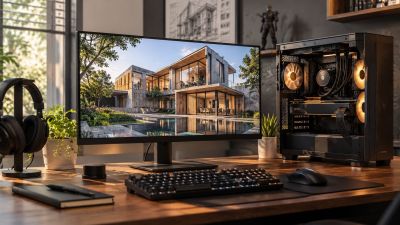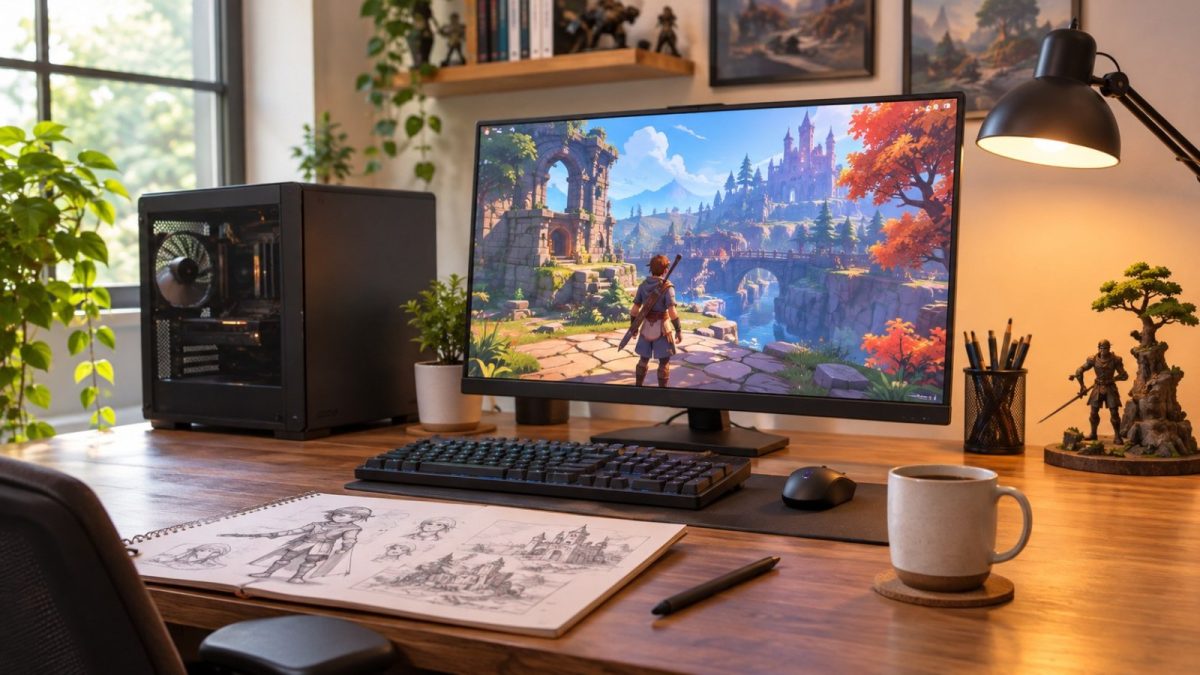
Video game companies spend millions of dollars trying to make digital worlds look like real life. Yet most players barely notice the tiny visual upgrades between new gaming systems. BioShock creator Ken Levine recently argued that the industry is hitting diminishing returns in graphics. Pointing to hardware like Valve’s Steam Machine and the Nintendo Switch 2, he explained that memorable art direction now matters far more than raw computer power.
What Is Happening in Game Graphics?
In May 2026 interviews covered by PC Gamer and Rock Paper Shotgun, Ghost Story Games director Ken Levine shared his view on modern gaming hardware. He noted that devices like Valve’s Steam Machine—both the original range of compact living-room PCs and Valve's 2026 SteamOS hardware revival—do not chase massive leaps in raw graphical power. Instead, Levine said ultra-realistic visuals are expensive to produce and fail to age well over time. Looking back at BioShock and forward to his upcoming game Judas, he emphasized that distinct artistic style beats chasing realistic textures.
How Diminishing Returns Work in Visuals
Diminishing returns happen when you spend much more money or effort for a very small improvement. Think about adding sugar to a cup of tea. The first spoonful makes a huge difference, the second makes it sweeter, and the tenth barely changes the taste. In video games, adding extra polygons—the tiny flat shapes that build 3D models—once turned blocky faces into lifelike characters. Today, rendering extra polygons or complex lighting requires expensive hardware, yet the visual difference on a television screen looks tiny to most players.
Why Art Direction Beats Raw Power
Strong art direction gives a game a lasting visual identity. Titles with bold colors, clear shapes, or stylized textures still look appealing years after release. By contrast, games that rely only on realistic graphics often look outdated once newer technology arrives. Focusing on art also lets developers put more effort into branching stories and deeper gameplay systems rather than spending entire budgets on surface-level visual polish.
The Challenge for Hardware Makers
This shift creates a difficult problem for companies that sell high-end gaming hardware. For decades, hardware makers convinced buyers to upgrade by showing side-by-side images of sharper shadows and realistic reflections. Now, persuading customers to pay steep prices—such as the $1,049 starting price for Valve’s 2026 Steam Machine—is much harder when visual leaps feel small. At the same time, rising memory component costs and massive studio budgets make ultra-realistic game production increasingly risky.
What Happens Next for Gaming Hardware
Hardware makers and game studios are adjusting their priorities. Instead of competing purely on visual realism, companies are focusing on compact form factors, smooth frame rates, and flexible living-room or portable play. Meanwhile, midrange gaming systems increasingly rely on smart software optimization rather than brute-force graphics chips to run modern titles smoothly.
In the end, players remember clever worlds, engaging stories, and striking art styles far longer than pixel counts. As graphics technology hits natural limits, creative vision is once again becoming gaming's strongest asset.