A Year With an AI Pregnancy Chatbot: What a 400-Mother Trial Found
A year-long randomised trial involving 400 women found that an AI pregnancy chatbot called Rosie did not reduce anxiety or depression compared with monthly children's books.
Are you sure you want to remove your upvote for this article?
Tracking the latest breakthroughs, research, and deep-tech innovations.
A year-long randomised trial involving 400 women found that an AI pregnancy chatbot called Rosie did not reduce anxiety or depression compared with monthly children's books.
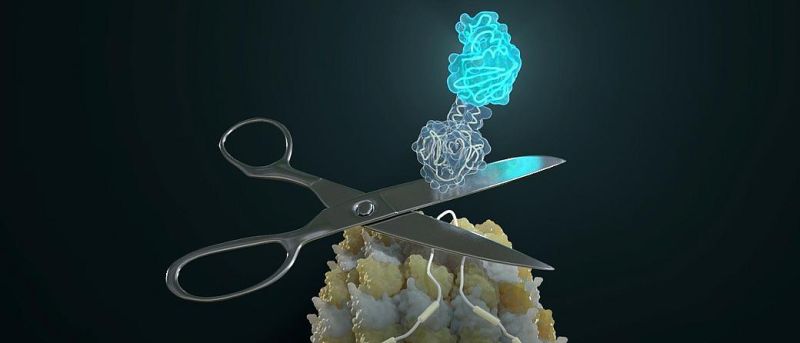
AI-designed proteases can cut chosen proteins in laboratory tests, opening new possibilities for medicine, but human treatments are still far away.
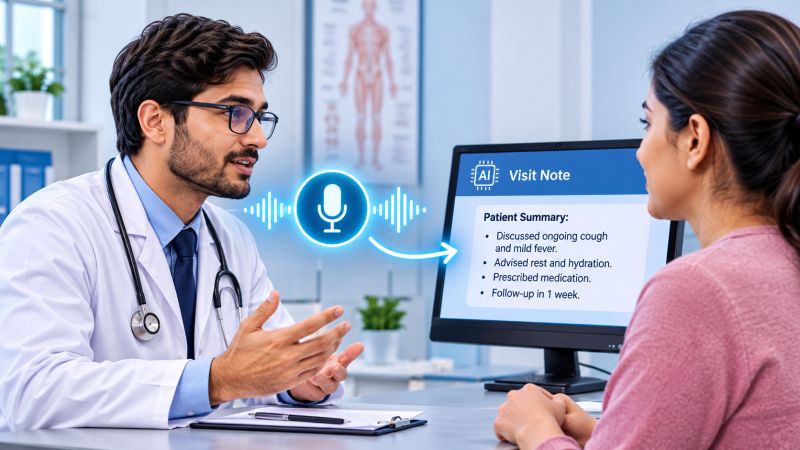
A study of 902 clinicians found that AI scribes saved doctors about 1.2 minutes per visit, without increasing patient numbers or productivity.
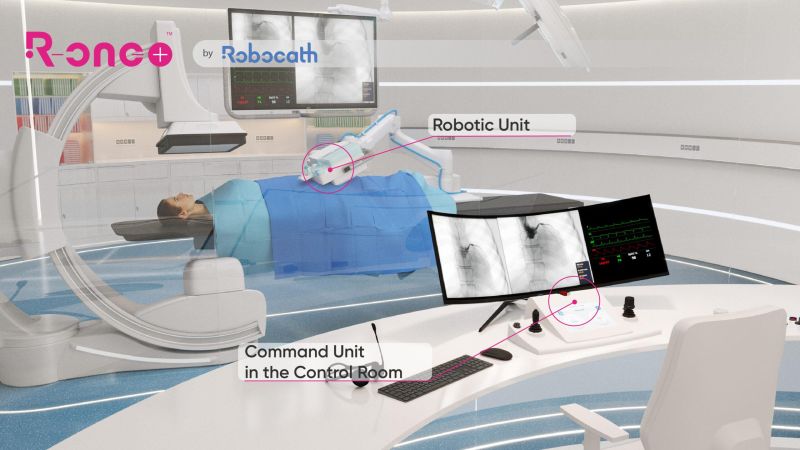
A new Robocath robotic system handled 20 first-in-human heart procedures with no device-related problems, the makers say. Key details remain unpublished.
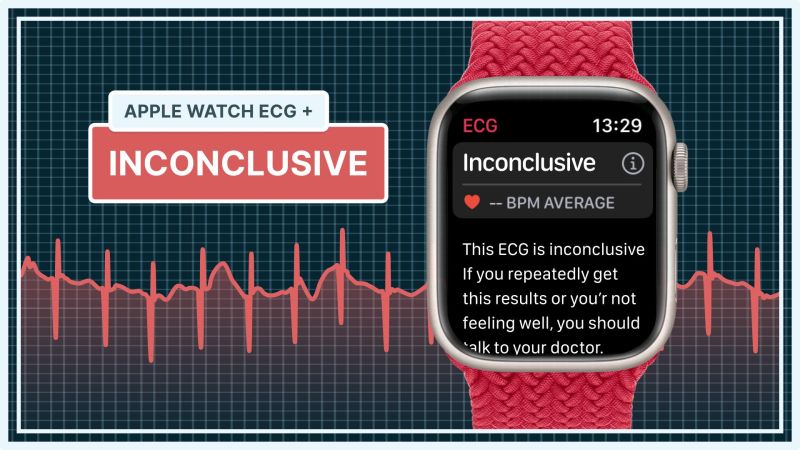
A Belfast company has FDA clearance for AI that reads smartwatch ECGs, and a study shows why “98% accurate” can hide a lot.
Reading hidden consciousness: A Columbia University study found that about one in three unresponsive ICU patients could control a beeping tone using brain signals recorded through an EEG-based brain-computer interface.