What Is Happening?
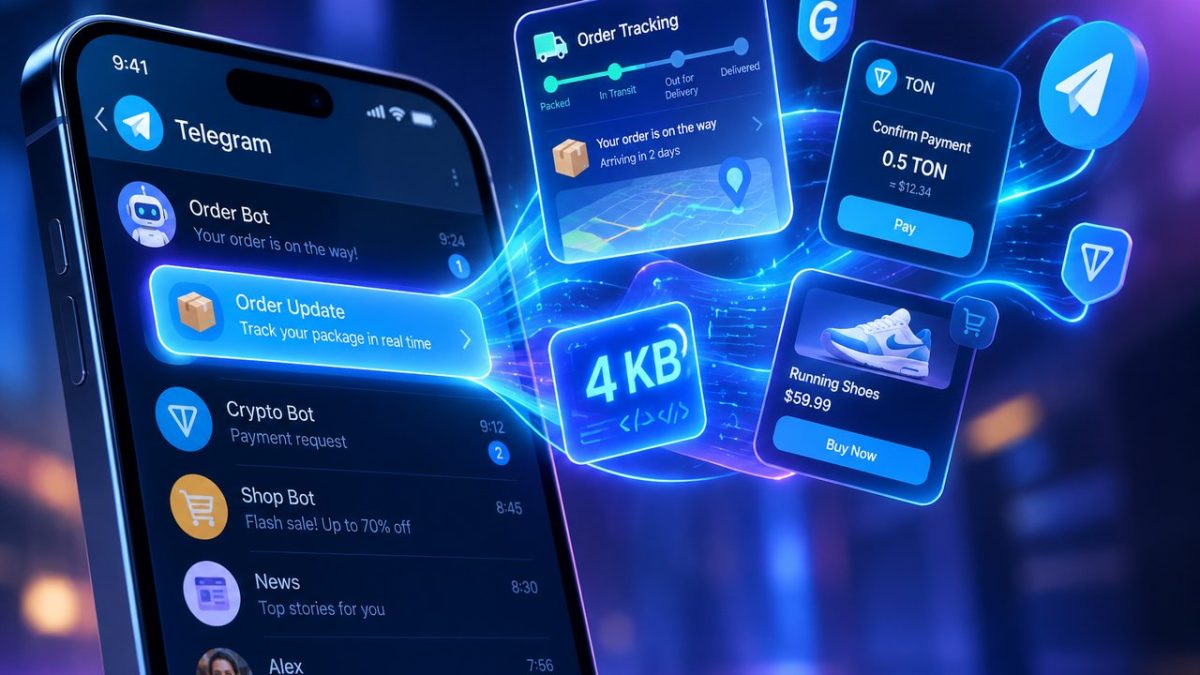
On November 9, 2026, Telegram released Bot API 10.4. The update brings interactive HTML widgets right inside normal chat bubbles. Founder Pavel Durov shared the news on November 10. Using a new sendWidget tool, developers can place mini apps, live trackers, and payment buttons directly into a message. You no longer need to open a separate webpage or a full-screen Mini App to use them.
Key highlights of the release:
-
Tiny File Size: Developers build widgets with basic web code (HTML, SVG, CSS, and JavaScript). The raw code cannot go over 32 KB, and Telegram shrinks it down to just 4 KB so it loads almost instantly.
-
Fast Built-in Engine: Instead of opening a slow web browser inside the app, Telegram runs widgets using a fast engine called QuickJS. The widgets also automatically match your chat's dark or light theme.
-
Direct Payments: The widgets connect directly to Telegram’s crypto wallet and TON Connect. When you tap to buy something, a simple payment confirmation box pops up on your screen.
-
Limited Rollout: Right now, regular users can only see these widgets in private one-on-one chats with bots. Using them in group chats or forwarding them only works on Telegram's test servers for now.
How Does It Work?
Regular Telegram Mini Apps work by loading an outside website inside a full-screen window. In contrast, these new chat widgets live right inside the message bubble itself, taking up a small box between 200 to 600 pixels wide and 50 to 600 pixels tall.
For example, a shopping bot can send you a live package tracker as a normal message. Once the bot sends the widget, its code is locked and cannot be changed. To keep your data safe, Telegram blocks the widget from connecting to the internet on its own or popping up your keyboard to type. It simply cannot send your private details to outside servers.
Instead, the widget only talks to the bot that sent it. When you tap a button inside the widget, it sends a tiny signal (up to 64 bytes) back to the bot. The bot reads your tap on its own server and updates the widget on your screen right away.
Why Is It Important?
This update shrinks an app experience from a full screen down to a single chat message. Because there is no heavy webpage to load, developers can put super-fast tools—like live polls, price checkers, or quick buy buttons—right in the middle of a conversation.
For Telegram, building payments and interactive tools straight into chats brings it closer to being an "everything app," while also pushing more people to use its TON crypto network.
What Are the Challenges?
Even though these widgets load very fast, developers and users still face a few hurdles:
-
Strict Coding Limits: Developers have to squeeze their entire widget into a 4 KB file limit. They cannot use outside code libraries or let users type with a keyboard, which means they have to write very simple, careful code.
-
Crypto Payment Hurdles: Because built-in checkouts rely on TON crypto wallets, people in countries with strict crypto rules—or users who simply do not understand cryptocurrency—may struggle to use the payment features.
What Happens Next?
According to Telegram’s official rules, sharing widgets in group chats, using them in inline search, or forwarding them to friends only works on test servers right now. How soon Telegram unlocks these features for everyday group chats will decide how popular these mini message tools really become.