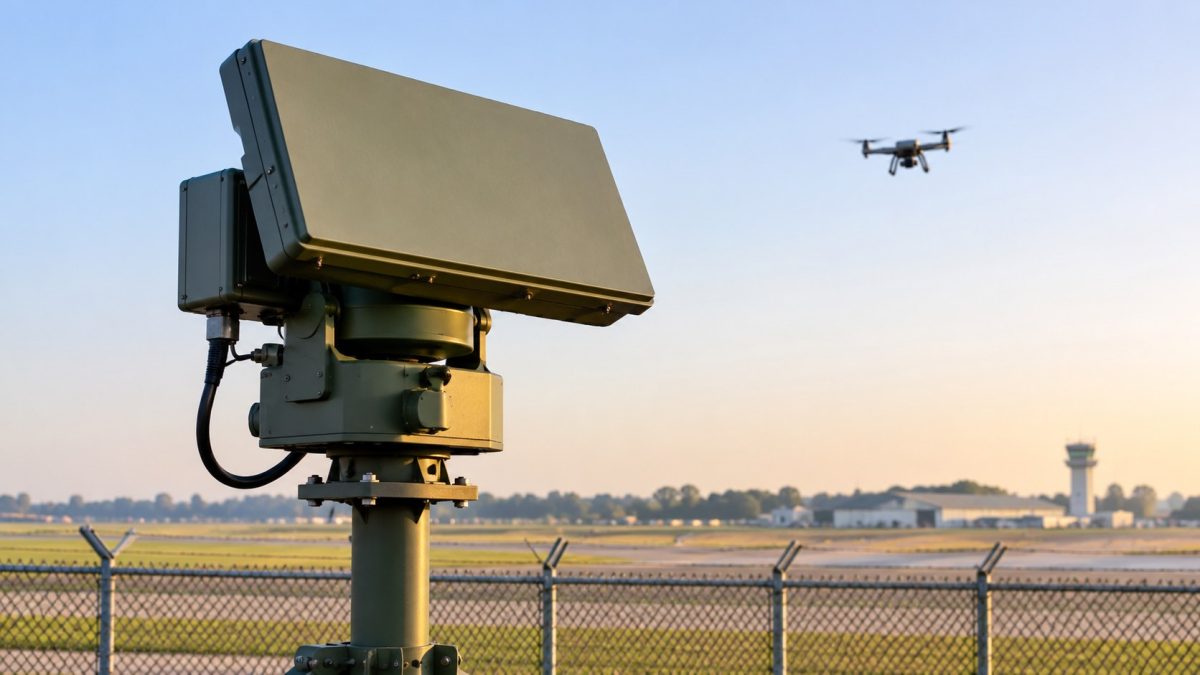
Shield AI plans to buy Echodyne, a radar maker, for $5.3 billion. It is also raising $2.5 billion to help pay for it. Shield announced the deal on 5 November 2026. Echodyne makes radars that find small drones in the air. A lot of the news so far just repeats Shield’s press release, so this article also looks at what the numbers do and don’t tell us.
How is the money split?
Shield’s release lists three parts. First, $1 billion of new Series H shares at a $28.8 billion valuation. Second, a $1 billion “structured equity investment” from Blackstone funds. Third, $500 million in debt led by JPMorgan Chase, which is just a loan. The release doesn’t explain what structured equity means here, so we can’t say how it differs from normal shares.
Here is some simple maths. The $2.5 billion covers about 47% of the $5.3 billion price. Of the price, $4.8 billion is paid and issued at closing. “Issued” hints that some of it may be Shield shares, but the release doesn’t say how much. Up to $500 million more depends on Echodyne hitting targets.
How does Echodyne’s radar work?
A radar sends out radio waves and listens for the echo. How long the echo takes to come back shows the distance. A small change in its pitch shows the speed. Echodyne uses a design it calls MESA, which steers the beam with electronics instead of a spinning dish. The company says its radars are solid-state and software-defined, which means updates can change how they scan.
Why does Shield want Echodyne?
Shield says it is building three business units: autonomy software, autonomous systems like the V-BAT drone, and mission systems. Echodyne adds to the third one. Echodyne’s CEO says autonomous machines can only act on what they sense. That is the idea behind buying a sensor company. CB Insights said the move shows Shield wants to sell more than software.
What do the numbers hide?
Both companies say they expect triple-digit revenue growth this year. But the release gives no revenue or profit numbers for Echodyne. So outsiders can’t tell if $5.3 billion is a fair price.
The release also says Echodyne got a contract in September with a $250 million ceiling from a US task force. A ceiling is the most the government could spend, not money the company has already earned. Echodyne’s new Kirkland factory cost $40 million and can make about 30,000 radars a year, the company says.
What are the risks?
Shield’s value more than doubled since March, GeekWire reported. Putting two companies together is also hard.
I think the biggest question is independence. Shield says Echodyne’s team stays and its radars will still be sold on their own. But other drone and defence companies that buy Echodyne radars may now be buying from a competitor’s company. We’ll only find out after closing.
What happens next?
Shield expects the deal to close in early 2027 after regulators approve it. GeekWire reported that the $2.5 billion funding won’t go through if the deal falls apart.
This deal shows investors will pay a lot for drone defence. But the real test comes after closing. Shield has to show that Echodyne’s sales keep growing and that the two companies can work together.