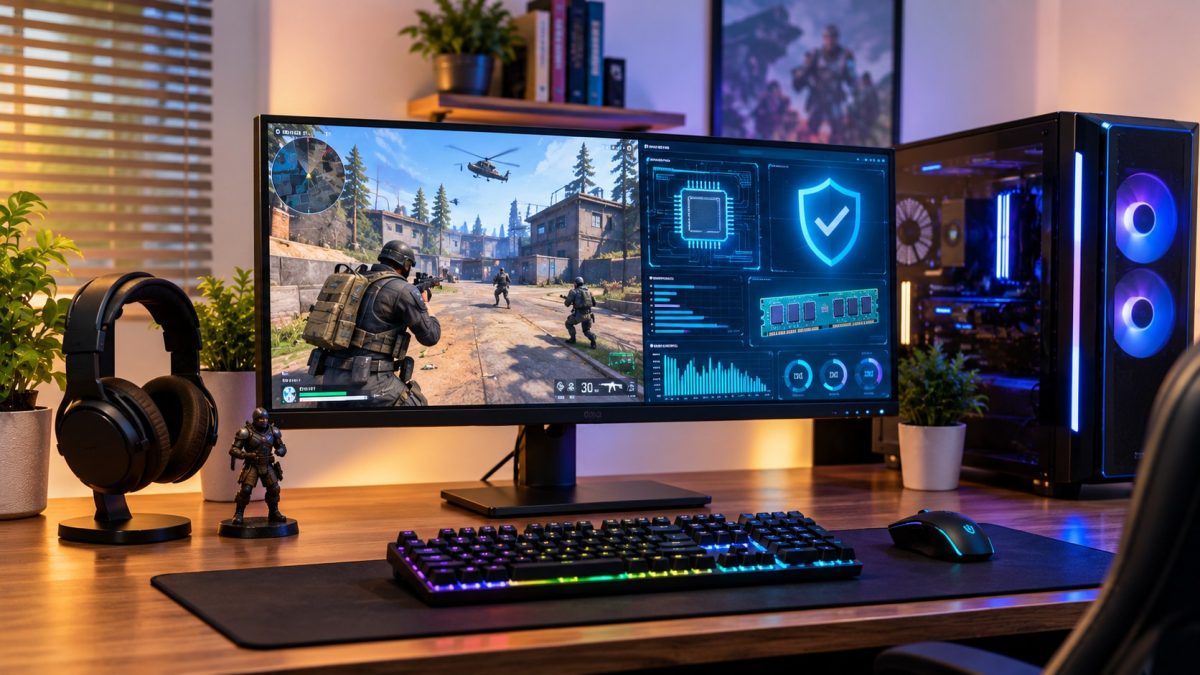
Online video games face a constant fight against cheaters. To keep matches fair, game developers now rely on kernel-level anti-cheat software. These tools monitor player computers at the deepest operational level. While this stops modern cheat programs, it gives third-party software complete control over personal computers, creating serious privacy and security debates.
Why Anti-Cheat Moved to the Kernel
Traditional anti-cheat software runs in user mode, the standard layer where regular apps like web browsers operate. Modern cheat makers bypassed these limits by placing hack tools directly inside the operating system kernel, also called Ring 0. Regular software cannot inspect the kernel. To catch these hidden cheats, anti-cheat tools like Riot Vanguard and Easy Anti-Cheat had to move into the kernel space to match the cheaters' level of access.
How Kernel-Level Protection Works
Think of a computer operating system like a secure building. Regular applications work in public lobbies. The kernel is the master control room that manages hardware, memory, and system rules. When anti-cheat software runs at the kernel level, it receives master key privileges. It scans background background memory, checks active system drivers, and blocks suspicious background tasks before a multiplayer game starts.
The Benefits of Deep System Access
Kernel protection significantly raises the effort needed to cheat in competitive games. It stops simple cheat downloads and keeps ranked leaderboards fair. For game studios and esports tournaments, fair play protects player trust and millions of dollars in prize money. Without strong protection, rampant cheating can destroy a popular online game's player base within weeks.
The Security and Privacy Risks
Giving game software kernel access creates major risks. Kernel drivers can read any file in system memory. If a security flaw exists in the anti-cheat driver, hackers can exploit it to control the entire PC. Past events showed cybercriminals abusing game security drivers to disable antivirus protection. Players also express concern because closed-source drivers monitor system activities without transparent public oversight.
The Future of Game Security
Tech companies and game studios are searching for safer solutions. Microsoft and security researchers are developing frameworks to keep third-party drivers out of sensitive kernel spaces. Developers are also pairing server-side artificial intelligence with hardware security checks like TPM 2.0 and Secure Boot. These hybrid methods aim to detect cheating behavior on remote servers rather than inspecting private personal computers.
The battle between game security and player privacy remains an ongoing challenge. While kernel-level anti-cheat keeps competitive games fair, developers must prioritize system safety, clear transparency, and privacy safeguards to keep player trust intact.