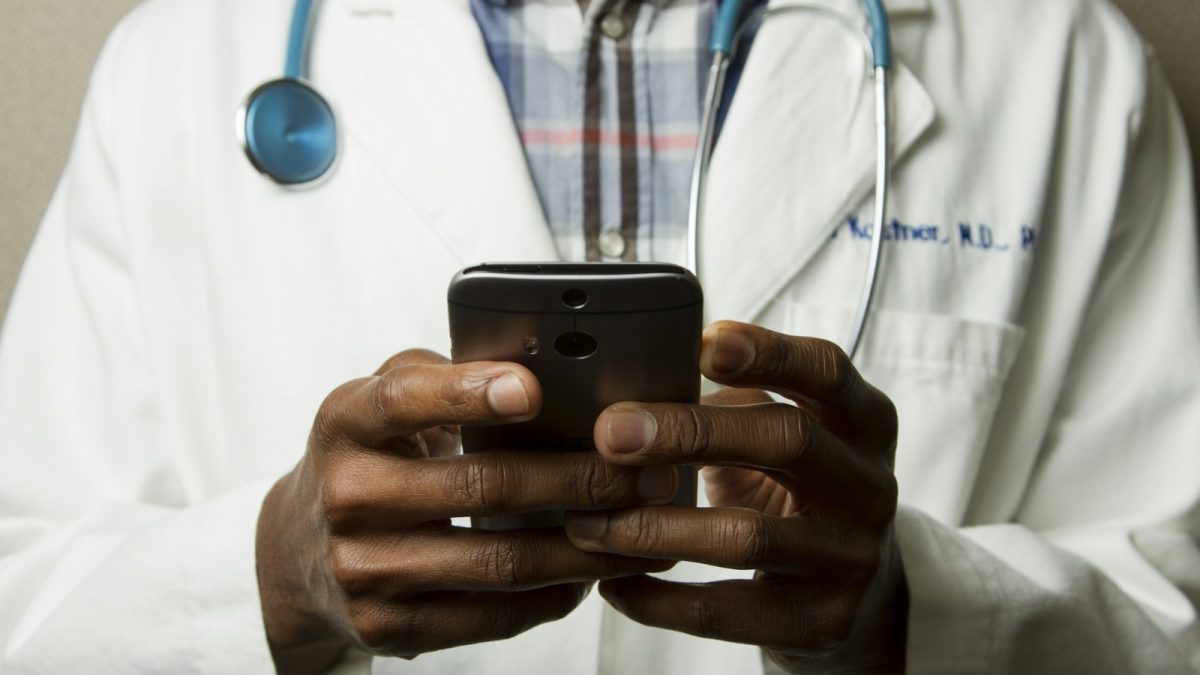
When most people hear “AI,” they think of chatbots or apps that make pictures. But AI is also being tested in hospitals and medical labs. It can look at scans, find patterns in patient records, and help scientists with research. It doesn’t replace doctors, though. It just helps them look at information and make better choices.
Helping Doctors Read Scans
Catching a disease early gives patients and doctors more time to plan treatment. Radiologists check X-rays, mammograms, CT scans and MRIs for signs of illness, and AI can point out spots that need a closer look.
A 2020 study in Nature tested an AI system for breast cancer screening. The researchers found it made fewer false alarms and fewer missed cases, using data from the US and the UK. In another test, it did better than the average of six radiologists. That doesn’t mean AI beats every doctor everywhere. It just shows that a well-tested system can help with certain screening jobs.
Researchers have also looked at lung scans. A 2026 clinical trial found that a model called DeepFAN helped junior radiologists check lung nodules that showed up by accident on CT scans. It gives doctors extra information, but a real clinician still has to decide what it means for that patient.
Finding New Medicines
Making a new medicine takes a lot of steps. Scientists have to understand the disease, pick a target, test compounds and check safety. AI can help early on by predicting protein structures and guessing how molecules might interact.
A 2025 review in Chemical Society Reviews explains that deep learning is being combined with other computer methods to study how proteins and drugs interact. This helps scientists narrow down their options. But a computer prediction doesn’t prove a drug works in the human body, so lab tests and clinical trials are still needed.
Personal Care and Hospital Alerts
Different people react differently to the same treatment. Researchers are exploring whether AI can use medical history, test results and genetic information to make care more personal. It might spot patterns doctors can look into, but its suggestions need to be checked carefully first.
Hospitals are testing AI warnings too. A 2022 Nature Medicine study looked at TREWS, a system that alerts doctors to possible sepsis. It was used in five hospitals, and the study found that when clinicians quickly confirmed the alerts, patients had better outcomes. This doesn’t mean every alert is right or that the system can diagnose sepsis by itself. It shows why doctors still need to review warnings.
Why Doctors Still Matter
AI can make mistakes, work worse for some groups of patients, or give answers that are hard to explain. A scan flagged by software still needs a professional to read it. A predicted drug interaction still needs to be tested in a lab. A risk alert still has to be compared with the patient’s symptoms and history.
The World Health Organization says AI in health should protect people’s freedom to decide, safety, openness and privacy. These things matter because medical decisions affect real lives and private information. Doctors and other trained professionals must stay involved in diagnosis and treatment.
AI may save time on repetitive work and help doctors notice patterns, but it can’t replace kindness, communication or responsibility. If it’s used carefully and tested properly, it can be a really useful tool in healthcare.


