A supermarket can collect sales records from hundreds of stores, and an online store can get thousands of customer reviews and support messages. The hard part isn't collecting all this information. It's finding useful patterns without mixing up incomplete data or misleading results with real evidence. AI can help businesses study large amounts of data, but how useful it is depends on how well the data is prepared and how carefully the results are checked.
Making Sense of Messy Information
Business data comes in different forms. Sales numbers and stock levels can be kept in neat tables, but emails, customer reviews, recordings, images, and documents are usually unstructured. A Salesforce report estimates that around 80 to 90% of company data is unstructured, and it cites earlier research from MIT Sloan. This is an industry estimate and not an exact measurement of every company's data.
Natural language processing (NLP) is a part of AI that helps software work with human language. For example, text analysis tools can find common topics and tell whether customer feedback sounds positive, negative, or neutral. Microsoft's Azure AI Language service offers sentiment analysis and opinion mining for this kind of job.
Imagine a store getting thousands of comments about its delivery service. An analysis system could group the comments about late arrivals, damaged packages, or helpful delivery staff. Managers could then look into which problems come up the most. But automatic categories can miss sarcasm, local expressions, or the reason behind a complaint. So a person still needs to review the results, especially when they will affect business decisions.
Finding Patterns and Unusual Activity
Machine learning can study large datasets to find links or strange behavior that would be hard to notice by hand. In retail, looking at transaction histories can show changes in buying habits across products, places, or seasons. In finance, models can help flag transactions that don't match normal patterns so they can be checked further.
A 2025 review of machine learning methods for financial fraud detection covers approaches like supervised learning and anomaly detection. It also covers problems like changing fraud behavior and differences in data quality. One important point is that a flagged transaction isn't automatically fraud. It is a signal to check more, not proof that someone did something wrong.
For businesses, the practical benefit is knowing where to look first. Analysts can focus on unusual records or new patterns instead of checking every transaction the same way.
Asking Business Questions in Everyday Language
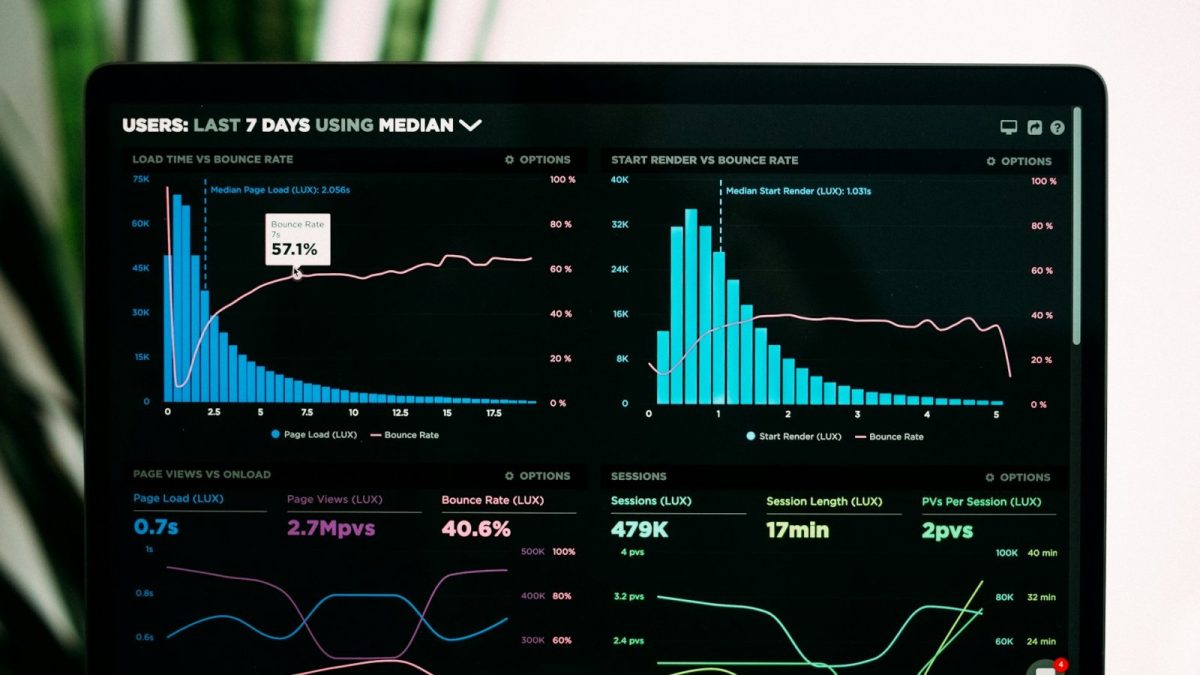
AI business intelligence tools are making it easier to explore data. Instead of writing database queries, a manager may be able to ask something like, "Which product categories had lower sales this month?" Tools like Copilot for Power BI can answer plain-language questions using information in a prepared data model, and then show the results in a report or chart.
This doesn't mean every question will get a correct answer. The system depends on the data it has and on how the fields and relationships were set up. Microsoft says that preparing a semantic model helps Copilot understand the business context, and that models that aren't prepared can give general or wrong answers. Employees should check the numbers behind any generated summary before using it in an important report.
Forecasting Demand and Making Better Decisions
AI can also help predict future demand. Forecasting models can use past sales, seasonal patterns, and other useful information to estimate how much stock a business might need. A 2025 systematic review of 141 research articles on AI in supply chain demand planning found growing interest in the topic. It also said the field is still at an early stage and faces problems when it is put into practice.
This means forecasts should guide planning and not replace it. Unexpected weather, price changes, supply problems, or shifts in what customers want can make earlier patterns less useful.
In the end, AI helps businesses turn huge amounts of information into questions worth looking into and decisions worth thinking about. How well it works depends on reliable data, suitable models, and human judgment. The goal isn't to automate every decision. It's to help people understand the evidence more clearly and act on it responsibly.