What Is Happening With the Dreambeans India Launch?
Dreambeans, an experimental app from Google Labs, launched in the US in June 2026 before expanding to India on 2 November 2026. Google selected India as its primary international market because millions of people here actively use core services like Gemini, Gmail, and Google Photos.
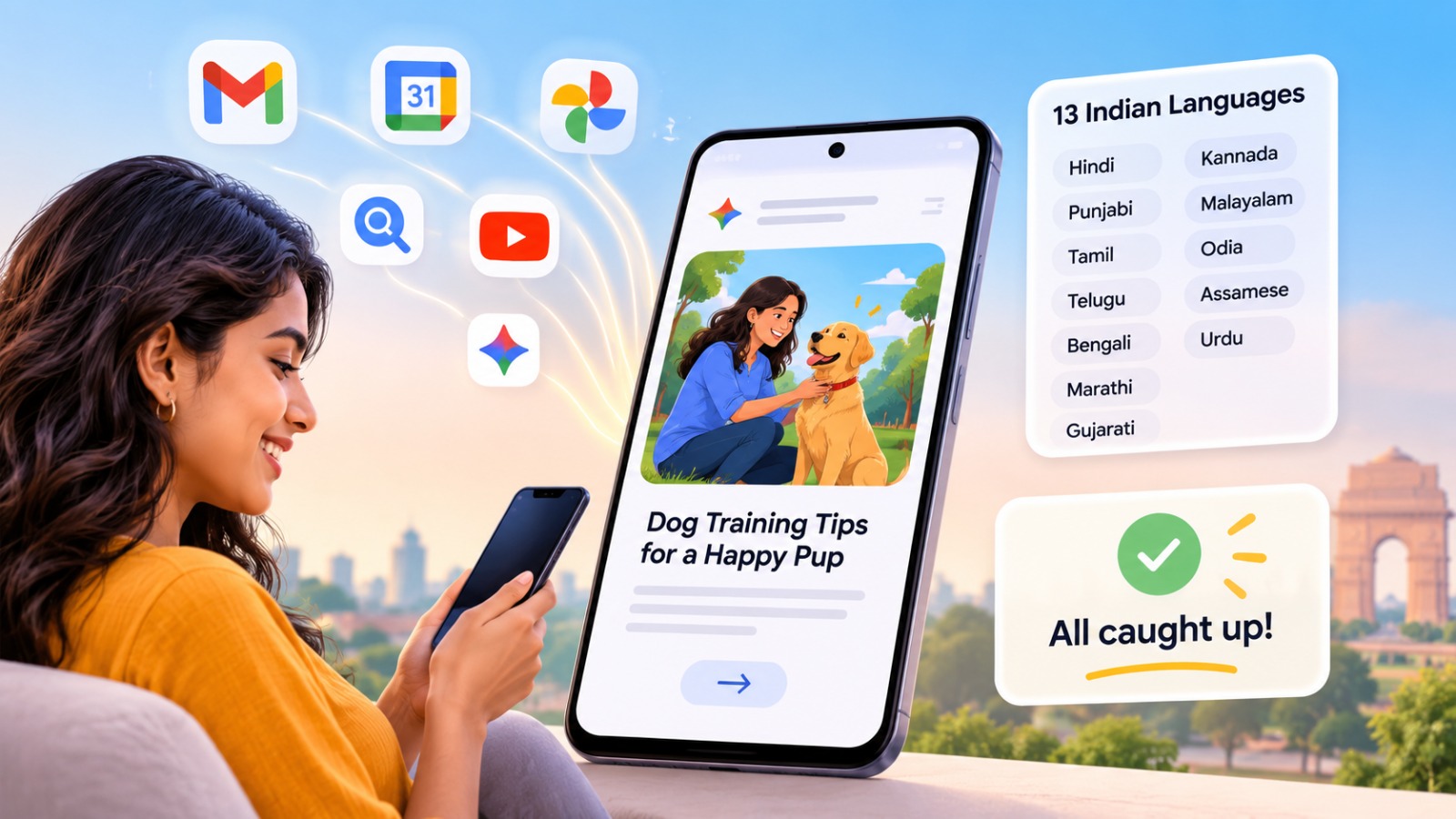
The app supports 14 languages in total—English plus 13 Indian languages, including Hindi, Punjabi, Tamil, Telugu, Marathi, Bengali, and Urdu. However, the system currently forces single-language session boundaries, meaning mixed Hinglish stories do not work yet.
How Does It Turn Your Data Into Stories?
You select which Google services to connect, including Gmail, Calendar, Photos, Search, YouTube, and Gemini. The app then scans what you did and identifies what is coming up.
Think of a friend who reads your diary and draws a comic strip from it. A receipt for puppy treats might yield a story complete with dog training tips. Google’s generative image models draw the panels, while select scenes are animated using Veo, Google’s video model.
Each story suggests a practical next step, like finding a nearby dog park. Once you finish reading, you see an "all caught up" card—there is no endless scrolling.
Architectural Trade-Offs & Compute Economics
Dreambeans represents a major transition from reactive assistants to proactive agent networks. However, generating daily multimodal stories introduces distinct operational trade-offs for Google:
-
Inference Costs: Running continuous image generation and video synthesis via Veo for every user overnight incurs substantial backend compute overhead compared to passive chat engines.
-
Context Filtering: Synthesizing unstructured data across six Google APIs requires advanced filtering to extract clear semantic signals—like travel tickets or calendar events—without generating false connections across unrelated activity.
-
Data Isolation: To prevent privacy leaks, the processing pipeline runs within strict security boundaries, restricting access exclusively to personal Google accounts while blocking enterprise Workspace integration.
Why Is It Different From Photos and Gemini?
Google Photos shows old memories, while Gemini responds when you prompt it. Dreambeans flips this relationship by initiating conversations automatically with a daily story rather than waiting for a search query.
The core test remains trust. The app works only if you grant it access to your private inbox and photos. India will show whether users are willing to share personal data in exchange for a cartoon recap of their week.
Privacy Limits and Future Outlook
You can disconnect any service at any time or clear stored app data internally. There is also an emotional risk: proactive AI might surface painful memories, such as past photos of deceased relatives. Users can adjust source permissions or hide sensitive categories in settings to mitigate this.
Telemetry from Sensor Tower estimates US downloads reached 55,000 since June—peaking in September before falling 84% in October to around 5,500. Dreambeans is a free download on Android and iOS across India. Daily user retention remains its primary metric—an app built around a morning briefing succeeds only if people keep coming back.