Consider a familiar scene in any college dorm: It is 11:30 PM on a Sunday, and a sophomore computer engineering student has a Python programming assignment due at midnight. The task is to implement Dijkstra's shortest-path algorithm for a simulated logistics network. Exhausted and facing a strict deadline, the student copies the homework prompt into ChatGPT. Within thirty seconds, the artificial intelligence outputs clean, commented Python code with a time-complexity breakdown.
The student pastes the code into their terminal, runs the automated test suite, sees green checkmarks across all test cases, and submits the file with twenty minutes to spare. The assignment is 100 percent complete. But has the student actually learned graph theory? Three weeks later, during a closed-book midterm exam, the student is asked to modify Dijkstra's algorithm to handle negative edge weights. Without an artificial intelligence prompt bar, they stare blankly at the paper. They completed the task in seconds, but retained zero conceptual understanding.
This reveals the Dopamine Trap of the Green Checkmark: automated tests verify that software runs, but they cannot verify whether neural schemas have been formed in the human brain. Confusing a working script with personal mastery is the primary cognitive illusion of the generative artificial intelligence era.
The GPS for the Brain and the Illusion of Competence
This disconnect highlights the vital difference between task completion velocity—how fast a digital artifact is generated—and learning velocity—how effectively mental models are built in biological memory. Using generative artificial intelligence as an assignment-finisher is like driving through an unfamiliar city while blindly following turn-by-turn GPS voice directions. You reach your destination quickly and efficiently, but you never build a mental map of the streets. If your phone battery dies, you are completely lost.
Cognitive psychologists term this the Illusion of Competence (
The Cognitive Science of Mastery: Why Struggle Matters
Cognitive psychology and educational neuroscience prove that human learning does not occur through passive observation; it occurs through cognitive friction
-
Active Neural Encoding: When an engineering student spends forty-five minutes tracking down a subtle segmentation fault or wrestling with a tricky calculus substitution, that frustrating struggle is not wasted time
-
Edge-Case Awareness: Students who struggle through manual derivations discover firsthand where algorithms break down, where physical boundary conditions fail, and why engineering safety margins exist
-
The Deprivation of Germane Load: Sweller distinguishes between intrinsic load, extraneous load, and germane load, which is the mental effort devoted to schema construction (
Sweller, 2011 -
Fragile Apprenticeship: Passive consumers become shallow proofreaders of synthetic answers rather than active critical thinkers capable of creative synthesis
-
The Effort Paradox: Cognitive research indicates that when learning feels effortless, students report high immediate confidence but suffer significant retention drops over time
The Entry-Level Shift: The End of Boilerplate Careers
For decades, entry-level engineering jobs served as corporate apprenticeships. Fresh graduates spent their first two years writing simple boilerplate code, formatting test reports, performing routine computer-aided design drafting, or standardizing spreadsheets. Senior engineers reviewed their work, providing mentorship while junior staff built practical domain intuition.
Generative artificial intelligence tools have permanently upended this entry-level ladder. Boilerplate code and basic calculations can now be produced in seconds. Consequently, companies are no longer hiring junior engineers simply to type basic syntax. Instead, entry-level professionals are expected to perform on day one as code auditors, system evaluators, and integration architects.
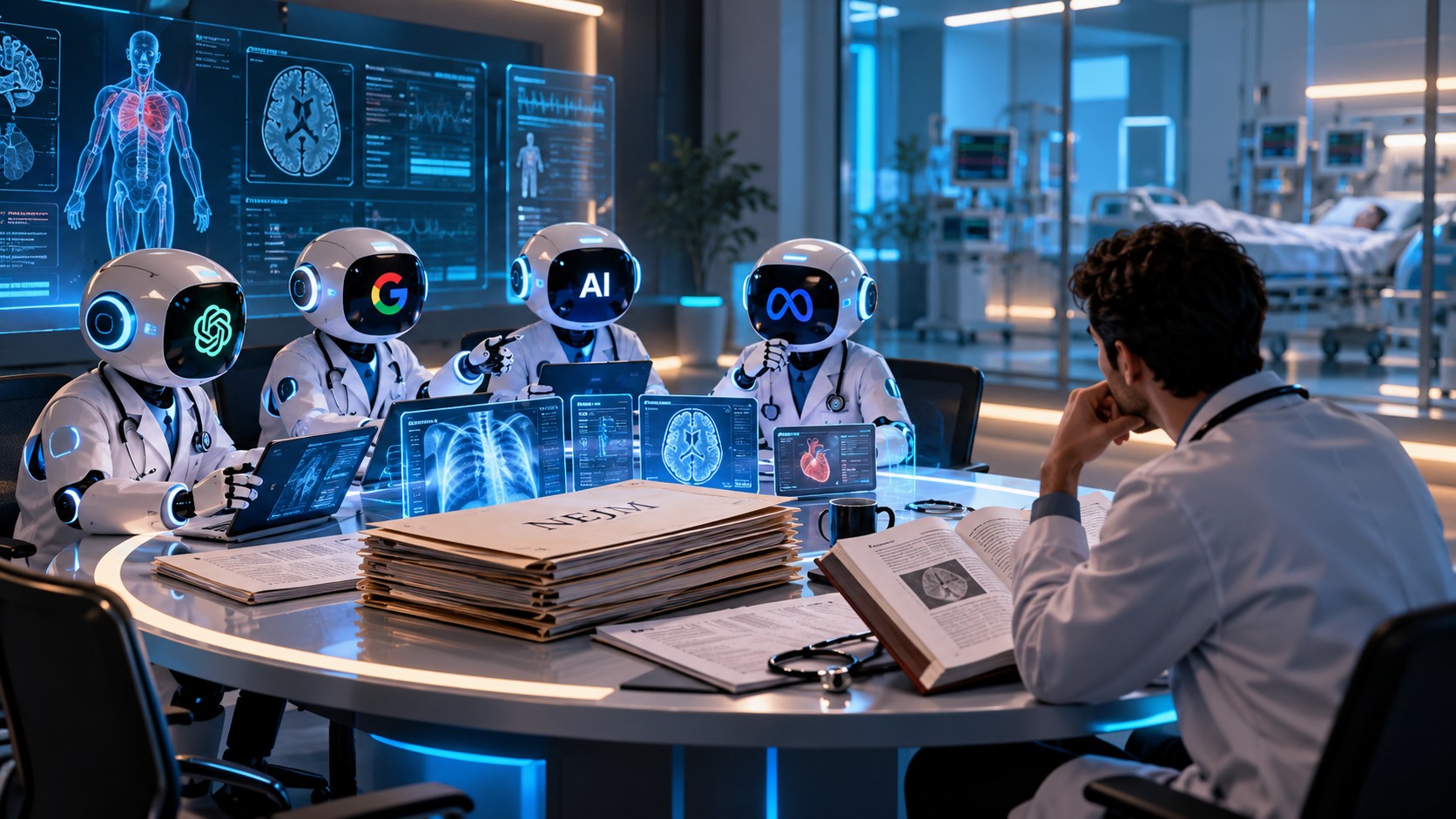
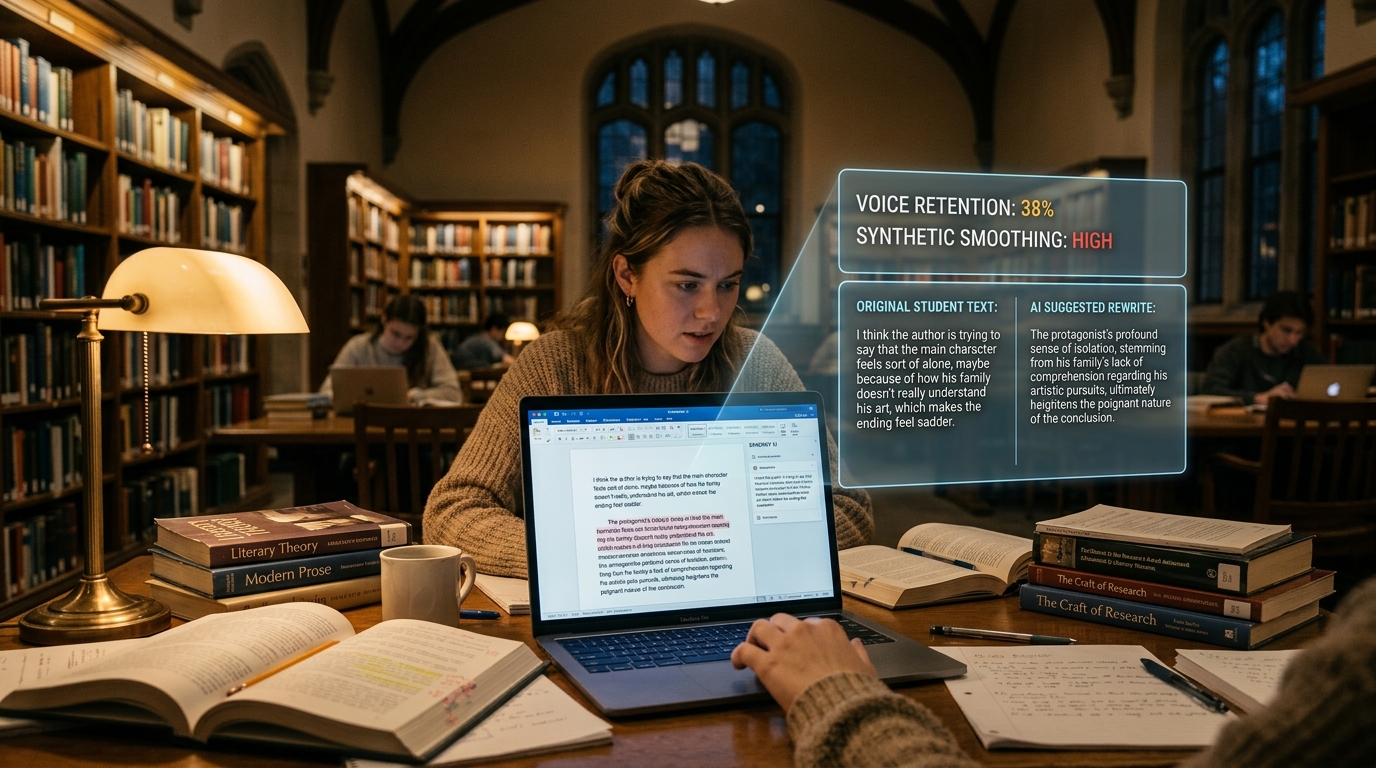
The danger lies in what industry benchmarks describe as plausible synthetic outputs: artificial intelligence-generated technical solutions are almost always structurally convincing, beautifully formatted, and pass basic tests[cite: 24]. Yet they frequently conceal subtle race conditions, memory leaks, or unhandled physical edge cases[cite: 24]. Without first-principles intuition, a junior engineer cannot spot these fatal flaws before deploying to production[cite: 24].
How Students Should Actually Use Artificial Intelligence
To ensure artificial intelligence accelerates real learning rather than just finishing homework, engineering students should adopt four evidence-based protocols:
1. The 15-Minute Struggle Rule
Never consult an artificial intelligence immediately upon reading a problem. Spend at least fifteen minutes sketching free-body diagrams, writing pseudocode, or setting up equations manually to activate your brain's semantic network.
2. Socratic Prompting Over Direct Answers
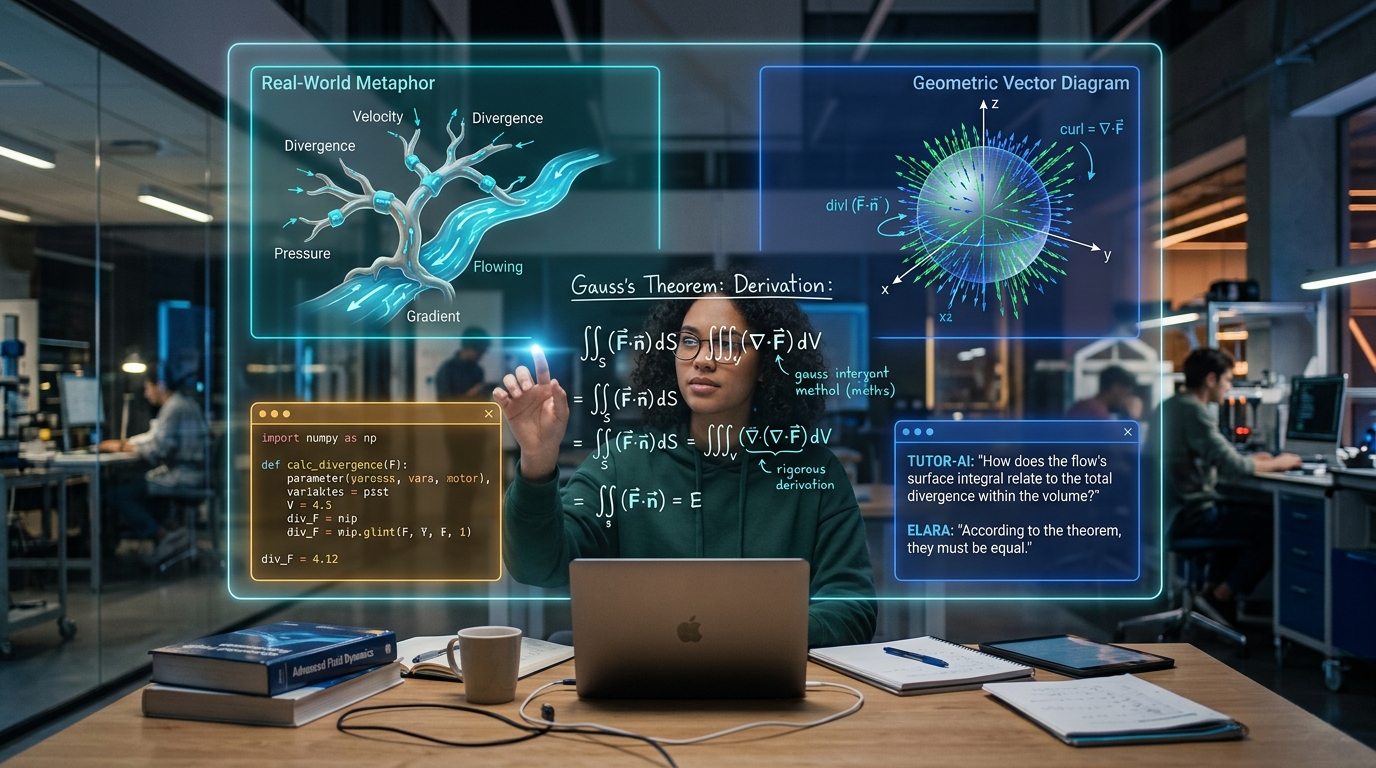
Never prompt the system to write complete code or solutions. Instead, ask it to critique your working hypothesis, explain a specific error, or unpack a fundamental principle.
3. Reverse-Verification Audits
Ask the artificial intelligence to write a solution, then spend twenty minutes finding three flaws, unhandled edge cases, or performance bottlenecks in its code to train your quality assurance radar.
4. The Rubber Duck Explainer
Type your conceptual logic and ask the artificial intelligence to critique your reasoning steps before looking at any formulas, engaging in active retrieval.