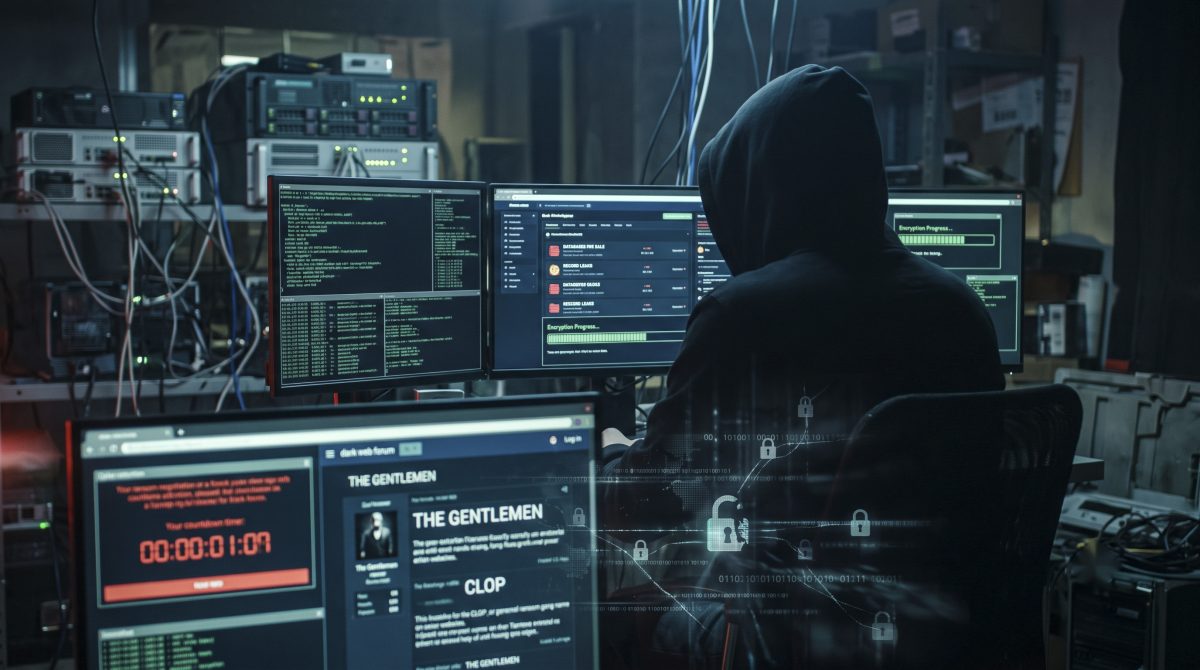
On 12 October 2026, a ransomware group called The Gentlemen posted a notice about MoneyGram on its dark web leak site. The gang says it attacked the payment network and threatens to release the stolen data. Nothing is proven yet. MoneyGram has not confirmed an incident, and the attackers have not shared any samples to back up their claim. Still, the story is a useful starting point for a bigger question: what is the dark web, and what actually happens to stolen data once it ends up there?
What the Dark Web Really Is
The dark web is often confused with the deep web, but they are not the same thing. The dark web is a small, intentionally hidden part of the deep web, and you need special software such as the Tor browser to access it. It is also tiny by comparison. Tor Project metrics show thousands of .onion sites online at any given time, far fewer than the billions of deep web pages that sit behind a login on the regular internet. The hidden network is not the real danger on its own. The danger is how criminals use it as a marketplace for stolen data and attack tools.
First Extortion, Then a Sale
The first thing that happens to stolen data is that it becomes a weapon against the victim. A Dutch radio programme, BNR, reported on 8 October that the Russian gang Clop published stolen Philips and Shell data on the dark web. Clop says it holds 89 gigabytes from Shell, including construction drawings, photos of facilities and project plans. The gang had claimed the theft back in August. BNR reviewed the Philips files and sent several to the company for verification, and they included technical drawings of MRI scanners and other medical equipment. BNR could not access the Shell data. According to the same report, the gang now focuses more on data theft and extortion.
If the victim does not pay, the next step is usually a sale. The Flink case shows how that plays out. Hackers who allegedly held 1 million stolen Flink records asked customers to pay 0.005 ether, about 12 euros, to keep the data off the dark web. According to the report, nobody paid, and the group is now reportedly selling the records to the highest bidder.
Some demands are far larger. Dhaka Tribune reports that hackers claim to have stolen data from 19 million Pathao accounts and are demanding $400,000 to prevent its release. The claim first surfaced through a screenshot of a dark web listing shared by Daily Dark Web, which described 133 gigabytes of data including National Identity (NID) numbers, phone numbers, driving licence details and addresses. These details come from the attackers’ own listing, so they remain claims.
When Stolen Data Is Given Away Free
Stolen data can also end up free. Belgian outlet ITdaily reports that the training network IFAPME was hacked in February, but its data was reposted on a dark web forum on 4 October, this time for free. The leak may affect more than 700,000 people and includes over 85,000 International Bank Account Numbers (IBANs). The exposed records also contain names, addresses, email addresses, phone numbers, dates of birth and national register numbers.
A free release does not mean the data is harmless. French Breaches, quoted by ITdaily, warns that the dataset lets someone link one person to their identity, address, email, phone number, date of birth, national registry number and, for some, bank details. The security firm CYFIRMA describes the same cycle: stolen data is advertised in underground markets, where other criminals can buy it, repurpose it and use it in further attacks.
Why Leaked Data Never Really Goes Away
Old data does not disappear either. In June, Cybernews researchers found a publicly exposed database of more than 8.3 TB, as reported by Malwarebytes. It held 24 billion credential records collected from 36 sources, including Telegram channels, earlier breach compilations and infostealer logs. In other words, leaked information gets copied, merged and recycled for years.
So what is the real risk for ordinary people? Cybernews researchers, commenting on the MoneyGram claim, say that financial and personal data is highly monetizable on the dark web, and it can lead to fraud and social engineering campaigns aimed at users. That is the practical lesson. By the time a leak makes the news, the data may already have been used for extortion, sold, and then dumped online for anyone to take.