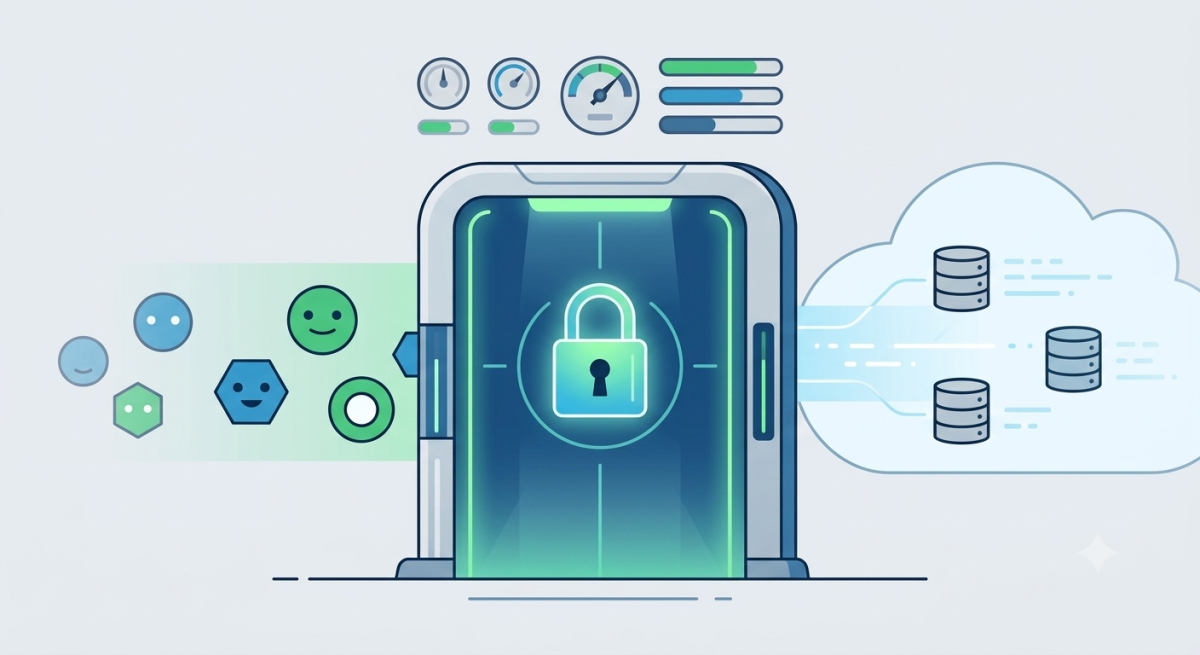
Big companies rely on many different software programs to manage daily business operations. A typical enterprise might use Microsoft Copilot to write emails, Anthropic's Claude to write code, and specialized internal database tools to manage company finances.
This setup creates a major challenge for IT managers. When an outside AI agent tries to modify a database, process a vendor payment, or change employee files, how does the company ensure the AI is allowed to do that safely?
To solve this problem, major software platforms like ServiceNow, SAP, and Workday have built digital gatekeepers that inspect every action before it happens.
Digital Security Guards and Open Bridges
At its Knowledge 2026 event, ServiceNow introduced a major update in how enterprise systems work with third-party AI. Instead of forcing companies to use only one brand of AI, ServiceNow opened its core platform to outside tools.
First, ServiceNow introduced a feature called the Model Context Protocol, or MCP. Think of MCP like a standardized wall outlet. It allows outside AI tools to plug into company databases safely without requiring custom computer code.
Second, every request an AI tool makes must pass through the ServiceNow AI Control Tower. This security gate checks the identity of the AI tool, verifies its user permissions, and records every action in a permanent audit log.
Third, the platform actively checks incoming requests for malicious prompts. In security tests, when hidden trick code was buried inside a digital purchase order, the system detected the threat and immediately pulled a kill switch to stop the AI agent.
Paying by Action Instead of by Person
In the past, businesses paid for software based on how many human employees used it. However, because autonomous AI agents can complete work by themselves without a human clicking buttons, software pricing is changing.
ServiceNow moved to action-based pricing tiers, offering Foundation, Advanced, and Prime levels. Under this model, companies purchase a pool of assist credits.
Simple tasks like summarizing a short document use one assist credit. Complex multi-step actions require between 25 and 150 assists. As a result, companies now pay based on how much work the AI actually completes rather than how many people log in.
Important Limitations to Consider
Even with strong security gates in place, enterprise AI deployment faces real limitations.
AI agents can easily handle routine tasks, but complex edge cases still require human supervision to verify accuracy.
AI systems also rely heavily on accurate data. If company records contain duplicate entries or formatting errors, the AI will make mistakes even if the security rules work perfectly.
Finally, unmonitored AI agents can trigger unexpected costs. If an AI tool gets stuck in an automatic loop, it can quickly consume a company's entire bucket of assist credits if strict spending caps are not set.
While software platforms are making it safer to use AI in business, human oversight remains necessary to manage quality and control costs.


