Agile Robots, a robotics company based in Munich, Germany, has raised $500 million to build more robots. The company announced the funding on November 12, 2026. SoftBank led the investment, while NVIDIA, Hitachi and other companies also joined. Agile Robots is now valued at $8.5 billion. But can the company turn its factory robots into humanoid robots that people can trust?
Who Is Investing in Agile Robots?
Agile Robots says it has raised around $2 billion since it started. The new money will help the company grow in the United States, enter new markets and build more robots.
SoftBank has supported the company before. In 2021, it led a $220 million investment that helped Agile Robots become Germany's first robotics unicorn. The company was started in 2018 by researchers from the German Aerospace Center.
Agile Robots also reports that more than 20,000 of its robotic solutions are being used around the world. Most are made for industrial work, while humanoid robots are a newer focus.
What Makes Humanoid Robots Different?
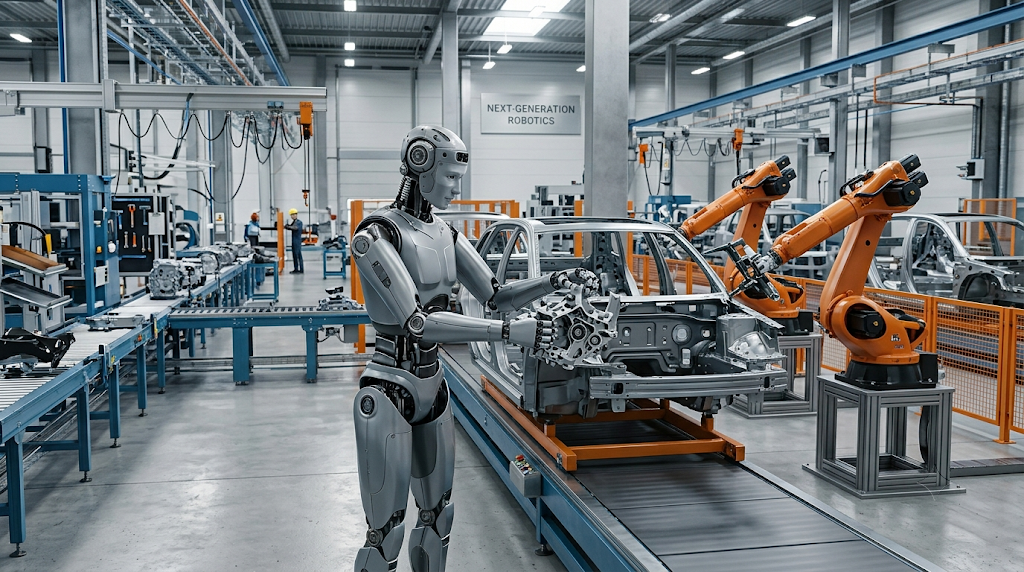
Normal factory robots usually do the same job again and again. For example, a robot arm may pick up parts or help build a car.
Humanoid robots are designed to do different kinds of work. Agile Robots makes robots with legs, robots with wheels, robotic arms and robotic hands.
The company also uses physical AI. This means artificial intelligence that helps robots understand their surroundings and move in the real world.
Can Agile Robots Build Enough Robots?
Making a robot work in a video is one thing. Making thousands of robots work safely in factories every day is much harder.
In early 2026, Agile Robots opened a factory in Fürstenfeldbruck, near Munich. The factory is designed to produce up to 10,000 humanoid robots each year.
However, this does not mean the company has already made 10,000 robots. According to The Next Web, it expects to produce around 2,000 robots in 2026.
What Challenges Does the Company Face?
Even with new funding, Agile Robots still has problems to solve.
Humanoid robots need good batteries, proper balance and reliable AI systems. They must also work safely around people.
The company's CEO, Zhaopeng Chen, has said that battery life, weight balance and training data are still challenges.
Some robots have been tested with companies such as Audi. However, testing a robot is different from using it every day in a busy factory.
What Happens Next?
Agile Robots now needs to turn its investment into working robots. It must produce machines, deliver them to customers and show that they can work safely for long periods.
The company has big plans, but money alone cannot make robots successful. What matters most is whether customers find these robots useful, safe and reliable.
If Agile Robots can achieve this, it could help bring humanoid robots into more factories in the future.