VR and AR gaming had a bumpy year, but the industry is not dying. In September 2026, Valve released the Steam Frame, its first standalone VR headset. Soon after, Meta reported falling Quest sales and shut down some of its game studios. Simply put, headset hardware keeps improving, but buyers and game developers remain cautious.
Here is a clear look at where things stand right now.
What Happened This Year
Valve started taking reservations for the Steam Frame on September 14. It costs $1,059 for the 256GB model and $1,299 for the 1TB model.
Meta went in a different direction. Early in the year, it cut 10% of its VR staff and closed three game studios. By October, Meta reported that its VR department lost money because fewer people bought Quest headsets.
In the AR space, a company named XREAL launched its new Aura glasses in late October with a special introductory discount.
How the New Devices Work (and the Trade-Offs)
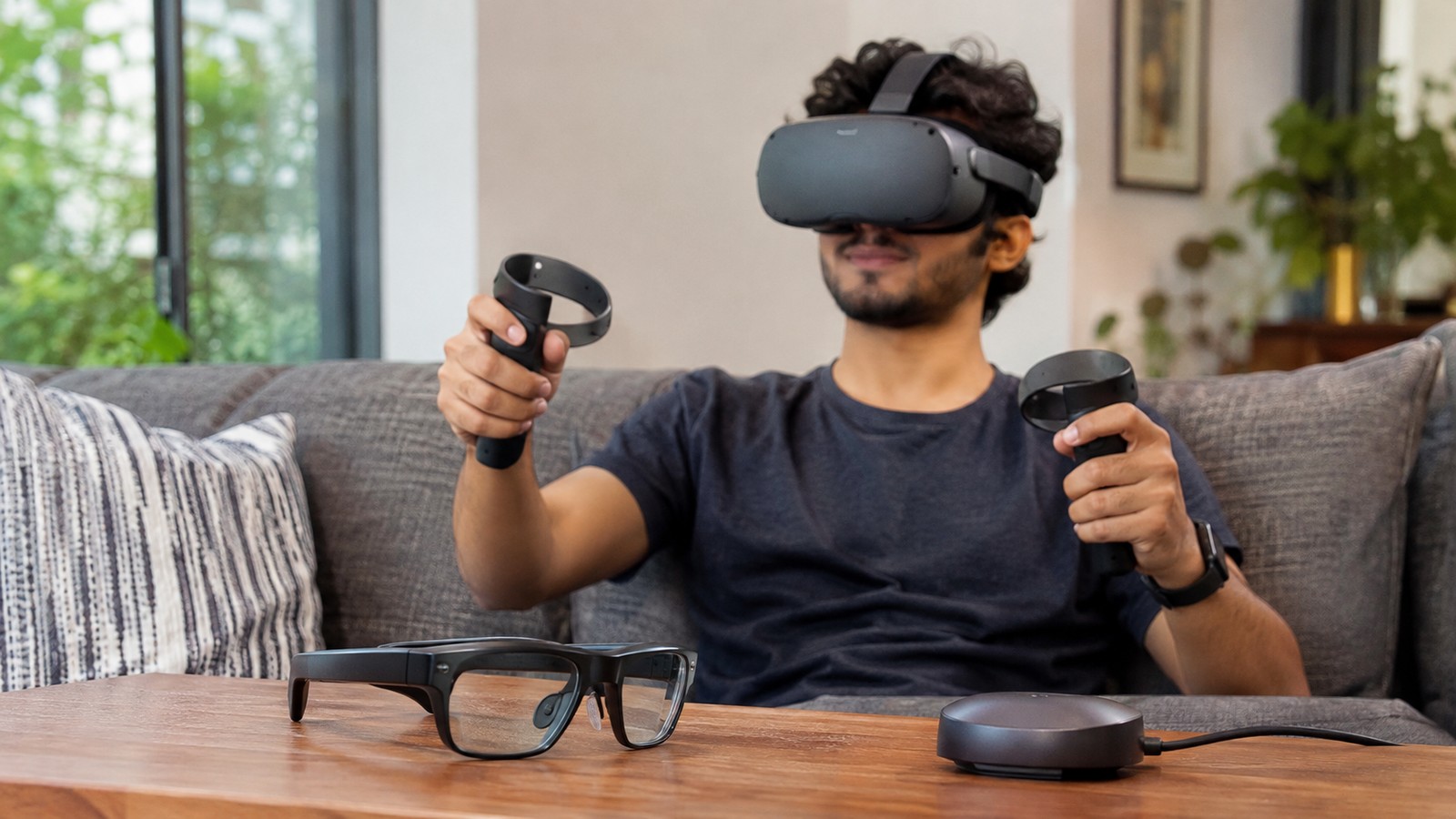
The Steam Frame works in two simple ways. You can play games directly on the headset using its built-in mobile phone chip. Or, you can stream heavy games wirelessly from your PC. Valve also added eye tracking. The headset senses where you look and renders that spot sharply while blurring the edges. This tricks your brain and saves processing power.
However, there is a clear trade-off: putting chips, batteries, and cooling fans inside one headset makes it heavier and hotter on your face.
AR glasses like the XREAL Aura try a different approach. You look through clear lenses and see digital items floating in your room. To keep the glasses lightweight (under 95 grams), XREAL moved the battery and computer into a small pocket-sized box. The trade-off is that you must run a wire down your neck while playing.
Why It Matters: Strategic Analysis
For Game Developers: Less than 2% of Steam players own a VR headset. Because the total audience is small, game studios hesitate to spend tens of millions of dollars building VR-only games. Instead, developers are shifting focus toward building regular flat-screen PC games that easily stream into headsets.
For Enterprise Buyers: Businesses are finding that lightweight AR glasses work well for virtual multi-monitor setups, but full VR headsets remain limited to specialized flight simulators and medical training.
For Hardware Makers: Rising production costs for memory chips make it hard to build cheap headsets. Companies must choose between selling lower-spec budget devices or expensive gear for tech enthusiasts.
What Still Holds VR Back
High Prices: Valve wanted to sell the Frame for less, but global memory chip prices went up, making the headset costlier than planned.
Short Battery Life: Playing heavy games drains power fast. Testers found the headset lasts only 1 to 1.5 hours on a single charge.
Lack of New Games: Meta cut back on funding big VR games, and Sony pulled the PSVR 2 from its web store as stock ran low. Players are waiting for better games, while developers are waiting for more players.
What Happens Next
Meta plans to release a new high-end headset in spring 2027 for about $1,300. CEO Mark Zuckerberg says Meta will only launch new headsets when major tech breakthroughs happen.
VR and AR gaming is not collapsing, but it is not booming either. To win over everyday gamers, headsets need lower prices, longer battery life, and much better games.