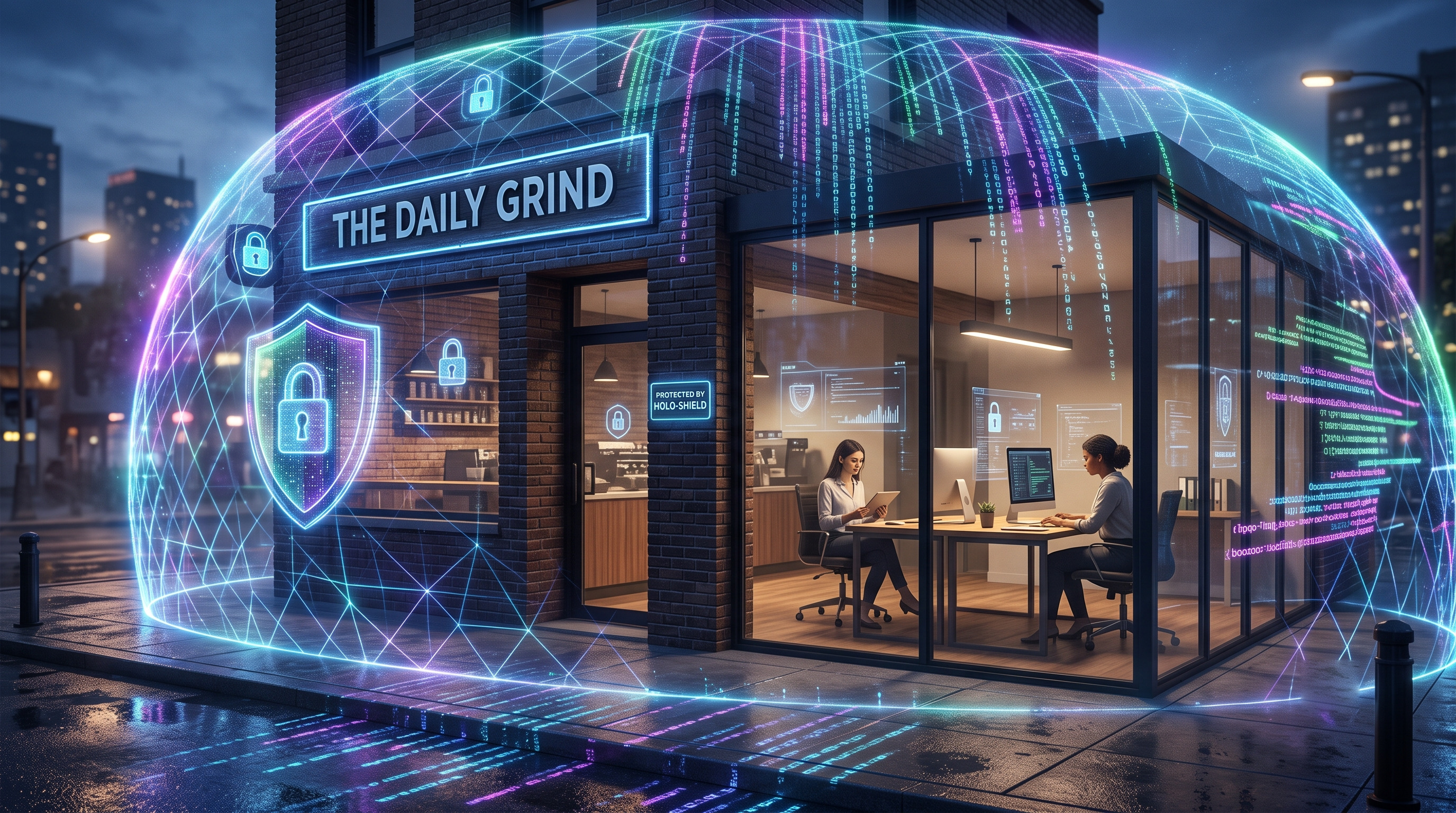
The "Too Small" Idea Does Not Hold Up
The idea that cybercriminals only target large companies does not match the available evidence. Cisco's Cybersecurity for SMBs: Asia Pacific Businesses Prepare for Digital Defense research surveyed more than 3,700 business and IT leaders with cybersecurity responsibilities across 14 Asia-Pacific markets, including India. The research found that 74% of surveyed Indian SMBs had experienced a cyber incident during the previous year. Among Indian SMBs that experienced an incident, 85% reported losing customer information. Because the research was conducted in 2021, these figures should be treated as historical evidence rather than a measure of India's current attack rate.
The Cisco research also reported significant financial consequences for affected Indian SMBs. However, these figures were based on survey responses rather than independently audited financial records. They should therefore be viewed as reported estimates of financial impact rather than verified losses. The findings nevertheless show why a serious cyber incident can create a substantial burden for a relatively small company.
Why Small Businesses Can Be Attractive Targets
Cybercriminals do not necessarily need a company to be large. They need an opportunity. A small business may depend on email, cloud services, online payments, accounting systems, customer databases and shared computers. If these systems are poorly protected, attackers may find the company easier to compromise than a larger organisation with a dedicated security team.
The problem is often not that small businesses have no security at all. It is that security responsibilities can be spread across people who already have other jobs. A business owner, IT employee or external service provider may be responsible for keeping systems running while also dealing with security issues. Microsoft has highlighted the cybersecurity challenges faced by small and medium businesses and recommends protecting identities, devices, applications and business data as organisations become more digitally connected.
This creates an important distinction: a small company may have fewer employees and less data than a large corporation, but it can still hold valuable customer information, payment details, business documents and credentials. It may also have access to larger companies through supplier and partner relationships.
AI Is Creating a New Opportunity for Attackers
The growing popularity of artificial intelligence is creating another opportunity for cybercriminals. Employees increasingly want to use AI services for writing, research, coding and other business tasks, which gives attackers a new way to disguise malicious software.
Kaspersky reported that its security solutions detected more than 33,300 attacks against small and medium-sized businesses worldwide between January and April 2026 in which malicious or unwanted PC software was disguised as popular AI services. That was almost five times the number detected during the same period in 2025. Kaspersky's data comes from its own security telemetry, so it represents detections by Kaspersky products rather than every AI-related attack against SMBs.
The most common AI-related lures detected by Kaspersky at the beginning of 2026 included fake versions of ChatGPT, Claude and DeepSeek. The broader lesson is more important than any single percentage: when employees want a popular technology, attackers can imitate that technology and use the demand itself as part of the attack.
The Supply-Chain Risk Makes Small Businesses More Important
A small business does not necessarily operate in isolation. Manufacturers, logistics companies, software providers, healthcare businesses, professional services firms and other suppliers may exchange information or provide access to larger organisations.
That means an attacker may target a smaller company not because it is the final prize, but because it may provide a less protected route toward a larger organisation. In this situation, cybersecurity becomes a supply-chain issue. Improving security at a small supplier can reduce risks for the larger companies and customers connected to it.
This is one reason the "we are too small to be targeted" mindset can be dangerous. Company size may reduce the amount of information an attacker can steal, but it does not necessarily reduce the number of ways the attacker can enter.
What Small Businesses Should Fix First
Small companies do not need an enterprise-sized cybersecurity department to improve their basic protection. The first priority should be securing the accounts that would cause the most damage if compromised. Email, banking, cloud storage and administrator accounts should use strong, unique passwords and multi-factor authentication wherever available.
Businesses should also keep operating systems, browsers, applications and network equipment updated. Important business information should be backed up regularly, with backups tested to make sure files can actually be restored. Employees should be careful when downloading AI applications or other software and should use trusted official sources instead of unknown installers.
Finally, someone should have clear responsibility for cybersecurity. That person does not need to be a full-time security professional, but the business should know who checks updates, account access, backups and security alerts.
The goal is not to make a business impossible to attack. The practical goal is to remove easy opportunities, reduce the damage from a successful attack and make recovery faster. For Indian small businesses, being small does not mean being invisible. In a highly connected digital economy, basic cybersecurity is part of protecting the business itself.