This German Biotech Just Raised €31.5 Million to Build Smarter mRNA Drugs
A company called SRTD Biotech announced on 9 November 2026 that it raised a €31.5 million seed round. A seed round is basically early-stage money for a young company that’s just getting started. What makes this one interesting is who put money in. Two of the investors are the venture arms of big drug makers, Lilly and Boehringer Ingelheim.
Quick reality check before we get too hyped: right now this is all lab work. It’s not a medicine you can go buy.
Who is SRTD and who backed it?
SRTD was started in 2019 in Jülich, a town near Aachen. One of the co-founders is Dr. Bernd Hoffmann, who’s the chief scientific officer. According to the company’s release, the round was led by Mérieux Equity Partners, a French investment firm. NRW.BANK and the Boehringer Ingelheim Venture Fund joined as co-leaders. Lilly Ventures, HTGF, and a family office called Anobis Asset also put money in. NRW.BANK is the development bank of North Rhine-Westphalia, and it invested through a fund that uses an EU guarantee.
Handelsblatt, a German business newspaper, also reported the €31.5 million number. The company says it’s one of the biggest biotech seed rounds in Europe so far, but that’s just their own claim. Also, Lilly Ventures and the Boehringer fund are the investing arms of huge drug companies, but the release doesn’t say those companies plan to make drugs with SRTD.
How does an mRNA switch work?
mRNA is like a set of instructions that tells a cell to make a certain protein. Most people know it from the COVID vaccines. A normal mRNA drug can turn on in lots of different kinds of cells. SRTD says its design, called seRNA, works like a lock that only opens for the right key. The key is a small RNA signal found inside sick cells. So the drug is supposed to stay quiet in healthy cells.
They also say they built a tiny fat bubble called a fusogenic LNP to carry the drug to organs like the liver, lung, and brain. On top of that, they use AI to help design the RNA.
Why does this matter?
A lot of strong drugs also mess with healthy cells, and that’s what causes side effects. A drug that only wakes up inside sick cells could be way gentler. But that’s still just an idea, not a proven result. SRTD wants to go after cancer, autoimmune diseases, and fibrosis, which is scarring of organs.
What are the challenges?
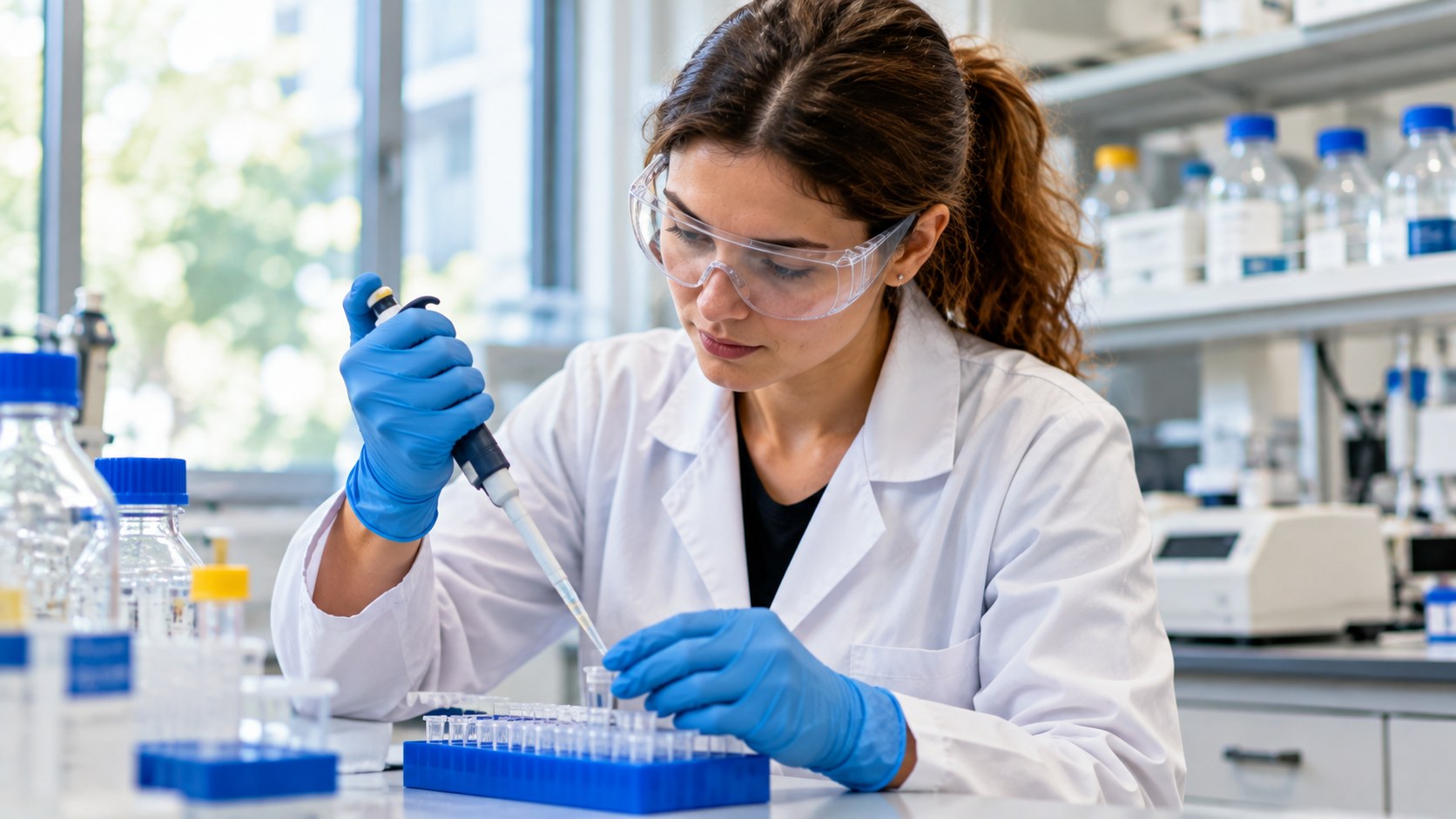
The money pays for preclinical work. That means lab and animal tests that happen before any human trial. The goal is an Investigational New Drug application, which is the paperwork you need to ask regulators for permission to test in people. The release doesn’t give a date for that. Lots of early drugs fail before they ever reach patients, so a big seed round shows investors are interested, but it doesn’t prove the tech works in humans.
What happens next?
SRTD has added some new leaders. Matthias Alder is now the CEO, Heinz Koeppl is the chief technology officer, and Jens Hennecke is the chief business officer. The company also wants research partnerships in other disease areas.
Honestly, SRTD has money, a cool idea, and well-known investors. What it still needs is proof in people. Until trials start and show real results, this is just a promising plan, nothing more.