Hackers Tried to Cook France’s Blood Plasma, But Staff Saved the Day
A French blood storage cyberattack gave health workers a big scare this month. Hackers tried to make freezers holding blood plasma dangerously hot. Imagine someone secretly cranking up the heat on your home fridge. Alarms went off, staff acted fast, and officials say no blood products were lost. It’s a good example of how hacking one simple machine can threaten medical care.
What happened at the blood banks?
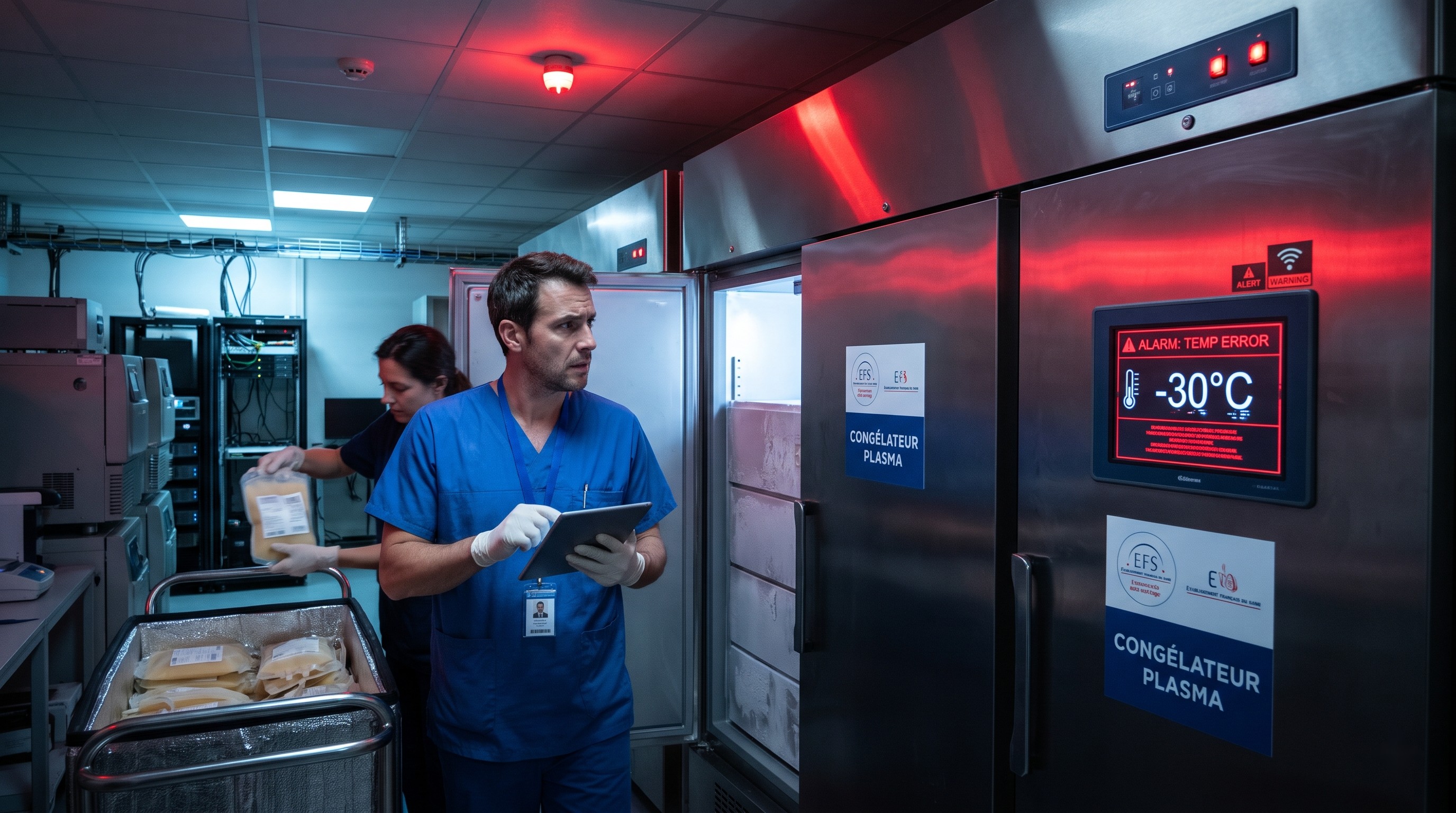
The French Blood Establishment, called EFS, runs the country’s blood service. It said the attack hit a supplier of refrigeration equipment that serves three of its cold-storage sites for plasma. Plasma is the liquid part of blood.
The attack happened on Monday, November 2, and the French health ministry confirmed it on Wednesday. EFS said the temperature and defrosting limits were raised to extremely high levels. The ministry said no damage reached the stored blood products. Plasma has to stay frozen to stay usable, and nobody has said publicly why the hackers did it.
How did the hackers reach the freezers?
Modern freezers are often connected to a computer network, so staff can watch temperatures and change settings from a screen. It’s kind of like controlling your home heater with a phone app. The French health ministry described the affected systems as the ones that monitor and control cold storage rooms.
The attackers went after the equipment supplier and raised the temperature and defrost settings. Le Canard Enchaîné, the weekly newspaper that first reported the story, said the hackers tried to push settings from minus 30°C all the way up to 110°C. Keep in mind that number comes from the newspaper, not from official statements.
Why did the blood stay safe?
Alarms alerted staff who work around the clock. They moved the blood products into refrigerators that weren’t connected to the affected systems. EFS said the products were either transferred or secured. The plasma included bags for patient transfusions and plasma used to make medicines. According to EFS, nothing was lost, and no health consequences have been found.
What are the bigger worries?
Blood can’t be made in a factory. It only comes from donors, so every single bag counts. Losing it at one site could affect hospitals waiting on supplies.
News reports say this attack looks a lot like one in mid-October that hit fridges and freezers in hundreds of shops across France, Belgium, and the Netherlands. Nobody has publicly confirmed whether the same group is behind both. Security Affairs said staff action and separate fridges limited the damage, but it warned that a good outcome shouldn’t make groups underestimate the risk. The supplier’s name and the attackers’ identity also aren’t public in the reports reviewed.
What happens next?
A full public account of how the attack worked hasn’t come out yet. NPR reported that a health intelligence-sharing group has warned its members to lock down their systems. Backup fridges that stay off the network turned out to be really useful here. Manual temperature checks and security reviews of suppliers are other steps organizations can think about. More details may come out as the case develops.
This was a close call, not a disaster. But it shows that everyday machines can become targets once they’re connected to the internet. Protecting blood supplies now means guarding both the people and the equipment behind them.