What Is Happening?
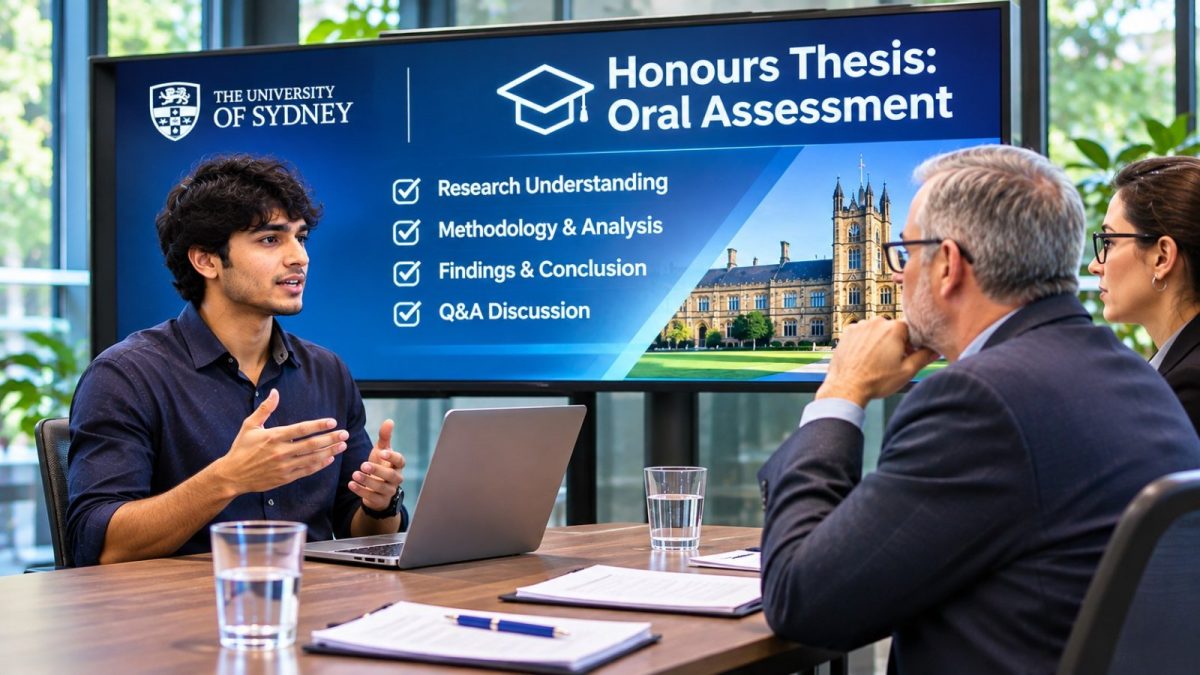
Instead of relying only on take-home papers, departments at the University of Sydney now hold live talks with students. Depending on the subject, a student may have a quick pass-or-fail chat or a one-hour interview worth up to half their grade. One engineering student's oral exam counted for 20 percent.
Other schools are heading in the same direction. Melbourne, Monash, and Australian Catholic University are adding oral exams, while Adelaide University uses role-play talks built around real job tasks. In the UK, the London School of Economics also requires watched exams across programs, with oral exams as one choice.
How Does It Work?
AI chatbots write essays by guessing the next likely word using huge computer models online. When students type prompts at home and change a few words, AI checker apps can only guess at the odds that the words came from AI. Those apps often miss cheated work or wrongly flag honest students.
Oral exams skip checker apps and online scans altogether. In a quiet room with no screen, teachers ask follow-up questions about why a student picked a method, what went wrong, and how the data backs up their points. A student can't let a chatbot answer live questions on the spot.
Why Is It Important?
This move shows how colleges are changing their approach to AI. Right after England's college regulator warned that students can pass unwatched work using AI, schools are shifting from hunting for AI text to checking real understanding in person.
Still, many students push back. Some call the rule insulting, especially since Guardian Australia found no public reports of Australian honours students cheating with AI.
What Are the Challenges?
Holding live talks for large groups brings real costs and fairness issues. Teachers say setting up, running, and grading one-on-one talks takes far more time and room space than reading papers.
Even the University of Sydney's own guide notes that speaking smoothly can look better than it is. That can hurt students who speak English as a second language, feel nervous speaking up, or learned in a different school system.
What Happens Next?
For now, these rules are local school policies in Australia and the UK, and the format changes from one college or subject to the next. As more schools try oral exams, a big question stays open. They can show who did the work, but can they grade every student fairly?